What does Psalms 9:19 mean?
“Arise, O LORD; let not man prevail: let the heathen be judged in thy sight.” — Psalms 9:19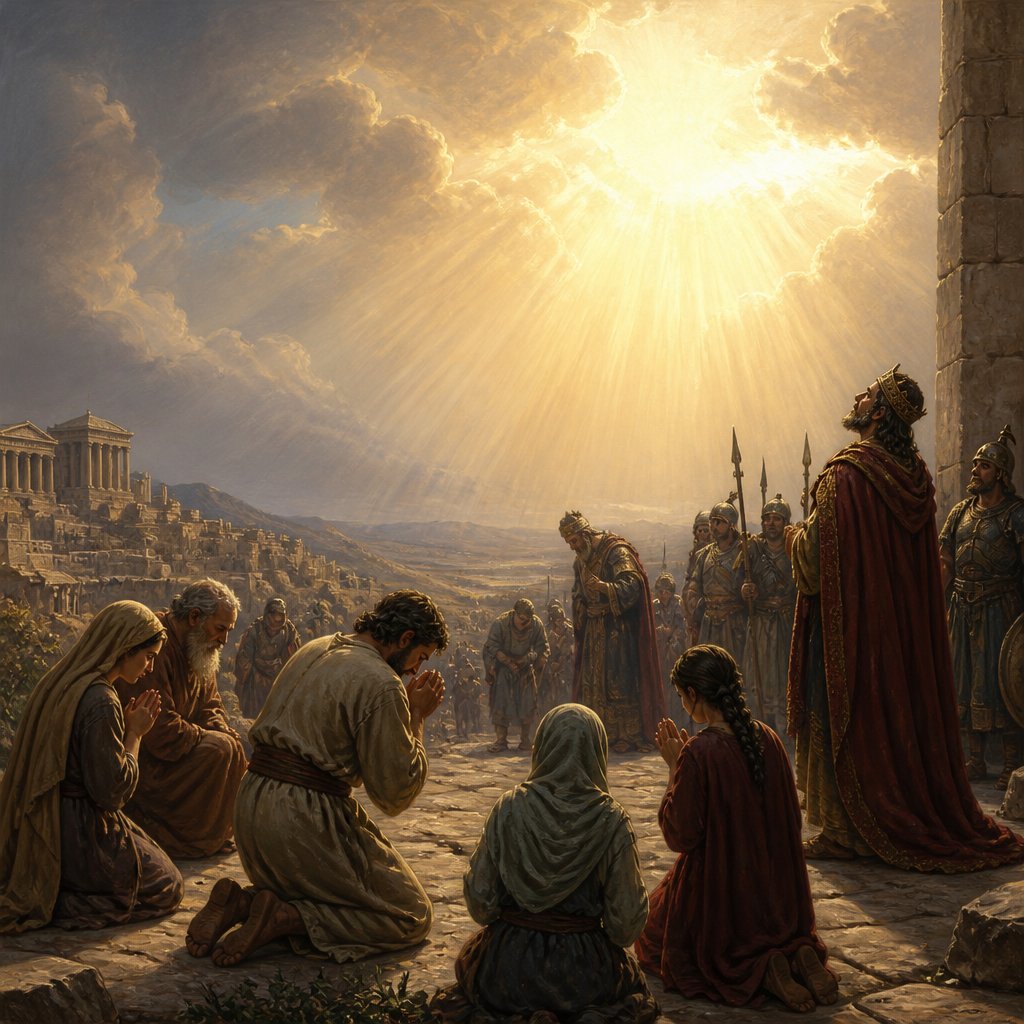
Psalms 9:19 (KJV) states, "Arise, O Lord; let not man prevail: let the heathen be judged in thy sight." This verse is part of a psalm that is attributed to King David and is considered a prayer for deliverance from enemies and oppressors. In this particular verse, David calls upon God to rise up and not let man have the upper hand, and to judge the heathen according to His righteousness.
The verse begins with a call for God to "arise," which is a common motif in the Old Testament. This call is an appeal for God to take action, to intervene in the affairs of mankind, and to exert His sovereignty and power over the situations that His people are facing. This plea reflects the recognition of human limitations and the need for divine assistance. It is also an expression of faith and trust in God's ability to bring about justice and deliverance.
The phrase "let not man prevail" is a plea for God to thwart the plans and actions of those who seek to harm His people. It acknowledges the limitations and shortcomings of human efforts and the need for divine intervention in the face of adversity. This sentiment is echoed throughout the Bible, where the dependence on God's strength and protection is emphasized.
The next part of the verse, "let the heathen be judged in thy sight," is a call for God to bring judgment upon the wicked and the unrighteous. The term "heathen" here refers to those who are not part of God's chosen people, and it represents the enemies and oppressors of the Israelites. This is a plea for God to exercise His role as the ultimate judge, to bring about justice and accountability for the actions of those who oppose Him and His people.
The broader context of this verse is important for understanding its significance. In the preceding verses, King David recounts the ways in which God has been a refuge and stronghold for His people, defending them against their enemies and providing for their needs. The psalm as a whole is a reflection of God's faithfulness and His role as the ultimate source of protection and deliverance.
In terms of symbolism, this verse embodies the ongoing biblical theme of the struggle between good and evil, righteousness and wickedness. It portrays the constant tension between the forces of God and the forces of darkness, and the need for divine intervention to bring about justice and righteousness.
In a wider context, this verse also carries a universal message about the nature of power and authority. It acknowledges the limitations of human strength and the need for a higher power to bring about true justice and righteousness. It speaks to the universal human experience of facing adversity and the need for faith and reliance on a higher power to overcome it.
Overall, Psalms 9:19 (KJV) is a powerful and evocative expression of the human need for divine intervention and justice. It reflects the timeless themes of faith, dependence on God, and the struggle between good and evil. It resonates with believers as a reminder of the ultimate authority and power of God, and the assurance that He will ultimately bring about justice and deliverance for His people.
Get our apps


Artwork for Psalms 9:19

Psalms 9:19 - "Arise, O LORD; let not man prevail: let the heathen be judged in thy sight."
"Arise, O LORD; let not man prevail: let the heathen be judged in thy sight." - Psalms 9:19

Psalms 19:9 - "The fear of the LORD is clean, enduring for ever: the judgments of the LORD are true and righteous altogether."

Psalms 107:9

Psalms 94:19 - "In the multitude of my thoughts within me thy comforts delight my soul."

"The LORD also will be a refuge for the oppressed, a refuge in times of trouble." - Psalms 9:9

"The fear of the LORD is clean, enduring for ever: the judgments of the LORD are true and righteous altogether." - Psalms 19:9

"There is no speech nor language, where their voice is not heard." - Psalms 19:3

Psalms 19:6 - "His going forth is from the end of the heaven, and his circuit unto the ends of it: and there is nothing hid from the heat thereof."

Psalms 59:9 - "Because of his strength will I wait upon thee: for God is my defence."

"Mountains, and all hills; fruitful trees, and all cedars:" - Psalms 148:9

"To deliver their soul from death, and to keep them alive in famine." - Psalms 33:19

"He shall go to the generation of his fathers; they shall never see light." - Psalms 49:19

"Until the time that his word came: the word of the LORD tried him." - Psalms 105:19

Psalms 9:5 - "Thou hast rebuked the heathen, thou hast destroyed the wicked, thou hast put out their name for ever and ever."

"The heavens declare the glory of God; and the firmament sheweth his handywork." - Psalms 19:1

Psalms 107:9

Psalms 9:14 - "That I may shew forth all thy praise in the gates of the daughter of Zion: I will rejoice in thy salvation."

Psalms 9:9 - "The LORD also will be a refuge for the oppressed, a refuge in times of trouble."

"Then they cry unto the LORD in their trouble, and he saveth them out of their distresses." - Psalms 107:19

Psalms 107:9

"He appointed the moon for seasons: the sun knoweth his going down." - Psalms 104:19

Psalms 106:19 - "They made a calf in Horeb, and worshipped the molten image."

Psalms 19:3 - "There is no speech nor language, where their voice is not heard."
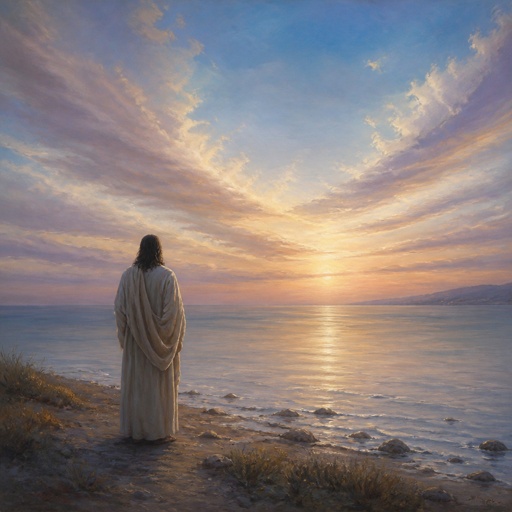
"If I take the wings of the morning, and dwell in the uttermost parts of the sea;" - Psalms 139:9

"Day unto day uttereth speech, and night unto night sheweth knowledge." - Psalms 19:2

"The LORD hath prepared his throne in the heavens; and his kingdom ruleth over all." - Psalms 103:19

"The statutes of the LORD are right, rejoicing the heart: the commandment of the LORD is pure, enlightening the eyes." - Psalms 19:8

"They set their mouth against the heavens, and their tongue walketh through the earth." - Psalms 73:9

Psalms 136:19 - "Sihon king of the Amorites: for his mercy endureth for ever:"