What does Psalms 9:2 mean?
"I will be glad and rejoice in thee: I will sing praise to thy name, O thou most High." - Psalms 9:2

The verse Psalm 9:2 in the King James Version of the Bible reads, "I will be glad and rejoice in thee: I will sing praise to thy name, O thou most High." This verse is a beautiful declaration of praise and gratitude to God, and it provides valuable insight into the themes of joy, worship, and the sovereignty of God.
The book of Psalms is a collection of songs and poems that express a wide range of human emotions and experiences, including praise, thanksgiving, sorrow, and lament. Written by various authors, the Psalms are attributed to King David and other worship leaders, and they were used in the worship practices of ancient Israel.
In the context of Psalm 9, David is expressing his gratitude and joy for God's righteous judgment and deliverance. The surrounding verses speak of David's trust in God's protection and his confidence in God's sovereignty over the nations. In verse 1, David declares, "I will praise thee, O Lord, with my whole heart; I will show forth all thy marvelous works." This sets the stage for the outpouring of praise and worship that follows in verse 2.
The theme of joy is central to Psalm 9:2. David declares that he will "be glad and rejoice" in God. This joy is not transient or shallow; rather, it is rooted in a deep sense of gratitude and trust in God's character and faithfulness. The joy that David experiences is not dependent on his circumstances but is a result of his relationship with God. This theme of joy in God's presence is echoed throughout the Psalms and is a prominent theme in the Christian faith.
In addition to joy, Psalm 9:2 emphasizes the act of praising and singing to God. This act of worship is not merely a duty or ritual but a heartfelt response to God's goodness and sovereignty. In the ancient Jewish tradition, music and singing were integral to the worship practices of the temple, and the Psalms were often sung or recited as part of the liturgy. This verse reflects the importance of praising God through song and demonstrates the joyful, exuberant nature of worship.
Another significant theme in Psalm 9:2 is the recognition of God as "O thou most High." This title emphasizes God's sovereignty and supreme authority over all creation. By addressing God in this way, David acknowledges his reverence and awe for God's transcendent nature. This recognition of God's sovereignty is essential to the biblical worldview and is a recurring theme throughout the Bible. It reminds believers that God is in control and is worthy of praise and worship.
In terms of symbolism, the act of singing praise to God represents a heartfelt and authentic expression of worship. Music has the power to convey emotions and connect with the soul in a unique way. When David declares that he will "sing praise" to God, he is expressing his desire to communicate his gratitude and joy in a deeply personal and emotive manner. This symbolism highlights the intimate and personal nature of worship and serves as a model for believers to engage with God in a meaningful way.
In conclusion, Psalm 9:2 is a powerful declaration of joy, praise, and trust in God's sovereignty. It reflects the deep spiritual connection that David had with God and serves as a timeless reminder of the importance of joyfully praising and worshiping God. The themes of joy, worship, and the sovereignty of God are central to this verse and continue to resonate with believers today. As we meditate on this verse, may we be inspired to cultivate a heart of gratitude and joy in our relationship with God and to express our worship in a sincere and authentic manner.
Have questions about Psalms 9:2?
Dive deeper into this scripture with Bible Chat — an AI-powered tool for exploring God's Word through conversation. Ask questions, get context, and grow in your understanding of the Bible.
Get Our Apps


Psalms 9:2 Artwork

Psalms 9:2 - "I will be glad and rejoice in thee: I will sing praise to thy name, O thou most High."

"I will be glad and rejoice in thee: I will sing praise to thy name, O thou most High." - Psalms 9:2

Psalms 9:1-2

Psalms 107:9

Psalms 81:2 - "Take a psalm, and bring hither the timbrel, the pleasant harp with the psaltery."

"The LORD also will be a refuge for the oppressed, a refuge in times of trouble." - Psalms 9:9

Psalms 2:9 - "Thou shalt break them with a rod of iron; thou shalt dash them in pieces like a potter's vessel."

Psalms 59:9 - "Because of his strength will I wait upon thee: for God is my defence."

"Mountains, and all hills; fruitful trees, and all cedars:" - Psalms 148:9
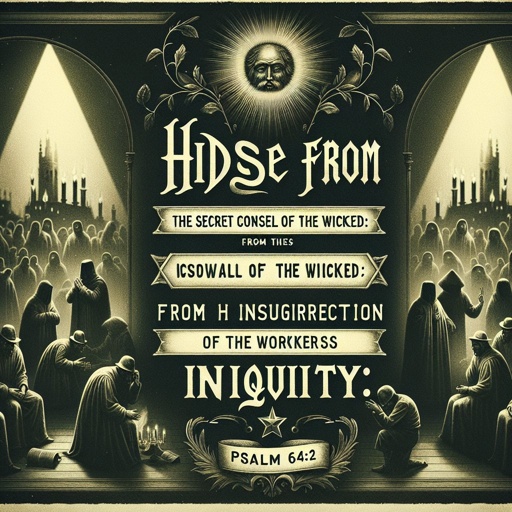
Psalms 64:2 - "Hide me from the secret counsel of the wicked; from the insurrection of the workers of iniquity:"
Psalms 115:2 - "Wherefore should the heathen say, Where is now their God?"

"Take a psalm, and bring hither the timbrel, the pleasant harp with the psaltery." - Psalms 81:2

Psalms 9:5 - "Thou hast rebuked the heathen, thou hast destroyed the wicked, thou hast put out their name for ever and ever."

Psalms 9:14 - "That I may shew forth all thy praise in the gates of the daughter of Zion: I will rejoice in thy salvation."

Psalms 107:9

Psalms 9:9 - "The LORD also will be a refuge for the oppressed, a refuge in times of trouble."

Psalms 107:9
"If I take the wings of the morning, and dwell in the uttermost parts of the sea;" - Psalms 139:9

Psalms 54:2 - "Hear my prayer, O God; give ear to the words of my mouth."

Psalms 149:2 - "Let Israel rejoice in him that made him: let the children of Zion be joyful in their King."

"They set their mouth against the heavens, and their tongue walketh through the earth." - Psalms 73:9

"O Israel, trust thou in the LORD: he is their help and their shield." - Psalms 115:9
"Gather not my soul with sinners, nor my life with bloody men:" - Psalms 26:9
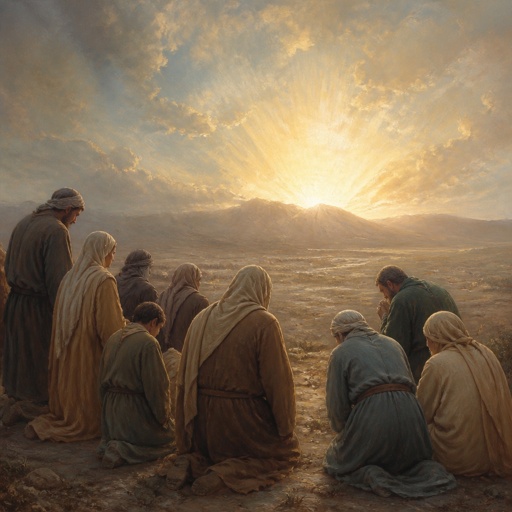
"When God arose to judgment, to save all the meek of the earth. Selah." - Psalms 76:9

Psalms 6:9 - "The LORD hath heard my supplication; the LORD will receive my prayer."
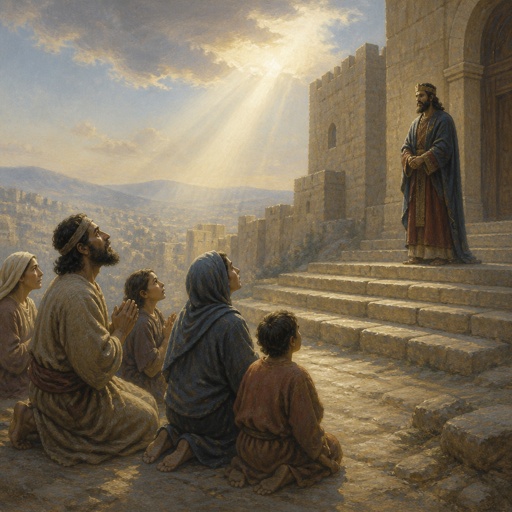
"Save, LORD: let the king hear us when we call." - Psalms 20:9

"He will not always chide: neither will he keep his anger for ever." - Psalms 103:9

Psalms 88:9 - "Mine eye mourneth by reason of affliction: LORD, I have called daily upon thee, I have stretched out my hands unto thee."

"O LORD our Lord, how excellent is thy name in all the earth!" - Psalms 8:9

"Do unto them as unto the Midianites; as to Sisera, as to Jabin, at the brook of Kison:" - Psalms 83:9