What does Revelation 11:17 mean?
“Saying, We give thee thanks, O Lord God Almighty, which art, and wast, and art to come; because thou hast taken to thee thy great power, and hast reigned.” — Revelation 11:17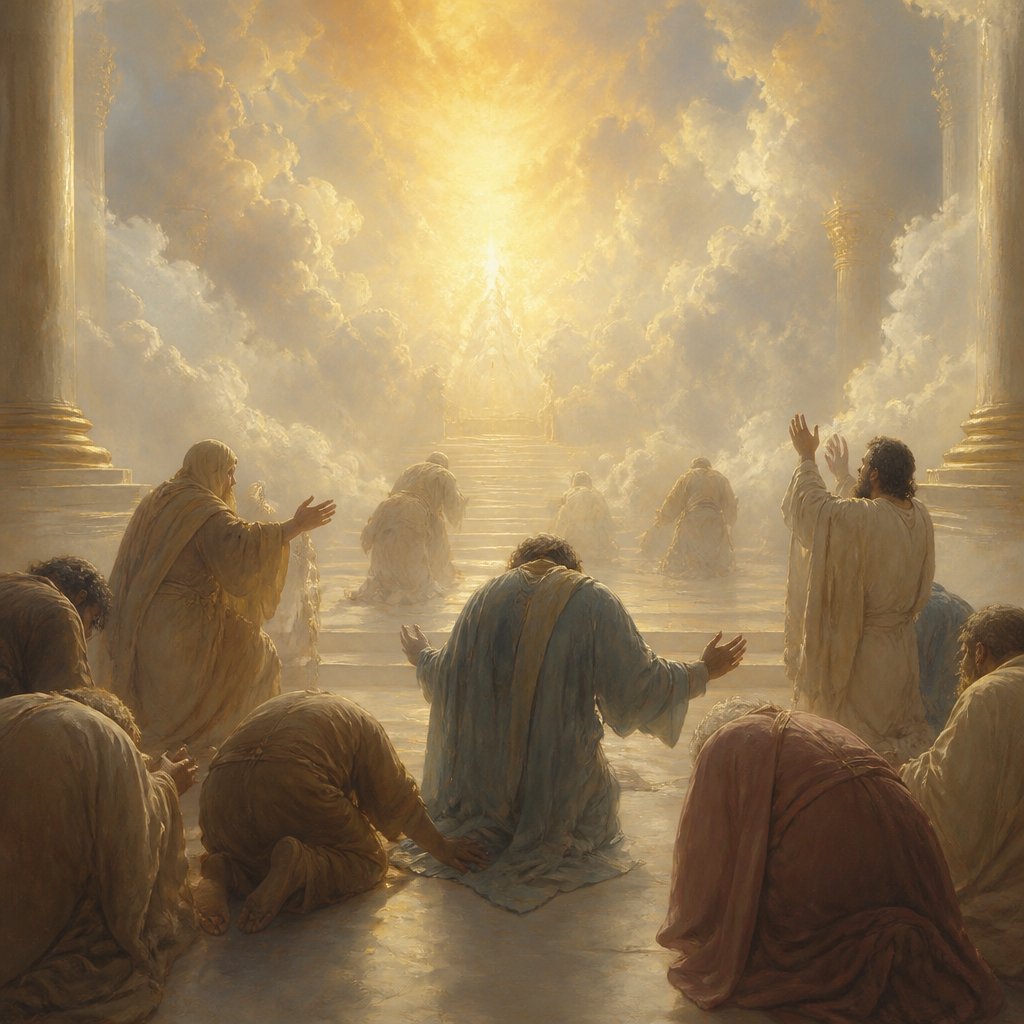
Revelation 11:17 in the King James Version of the Bible reads:
"Saying, We give thee thanks, O Lord God Almighty, which art, and wast, and art to come; because thou hast taken to thee thy great power, and hast reigned."
The Book of Revelation is the final book of the New Testament, and it is known for its vivid and symbolic language. It is traditionally attributed to John the Apostle, and it is believed to have been written during a time of intense persecution of Christians. The book is considered to be a prophecy of the events leading up to the end of the world and the second coming of Jesus Christ.
Revelation 11:17 is part of a passage that describes the worship and praise of God in heaven. The verse is part of a larger section that recounts the sounding of the seventh trumpet, which signals the return of Jesus Christ and the establishment of God's kingdom on earth.
The verse begins with the phrase "We give thee thanks, O Lord God Almighty," which expresses gratitude and praise to God for His sovereignty and power. The title "Lord God Almighty" emphasizes God's omnipotence and supremacy over all creation. This phrase is a declaration of reverence and acknowledgment of God's grandeur.
The next part of the verse, "which art, and wast, and art to come," acknowledges God's eternal nature. This echoes the description of God in the book of Exodus as "I AM WHO I AM" (Exodus 3:14), emphasizing His unchanging and timeless existence. This declaration of God's eternal nature serves as a reminder of His constancy and faithfulness throughout history and into the future.
The verse continues, "because thou hast taken to thee thy great power, and hast reigned," which highlights the reign of God as the ultimate ruler and sovereign over all things. This indicates a shift in the heavenly realms, where God's authority and power are fully realized and acknowledged. It signifies the establishment of His kingdom and the fulfillment of His divine plan.
One of the central themes of Revelation 11:17 is the kingship and lordship of God. The verse emphasizes the exaltation of God as the rightful ruler and the ultimate authority over all creation. This declaration of God's reign is a source of hope and reassurance for believers, especially in the face of persecution and adversity.
Another significant theme in this verse is the concept of worship and praise. The language used in Revelation 11:17 reflects a spirit of adoration and gratitude towards God. It exemplifies the reverence and awe that are due to God as the Almighty and eternal King. This theme underscores the importance of acknowledging and honoring God's supremacy through worship and praise.
In its broader context, Revelation 11:17 is part of the larger narrative of the book of Revelation, which portrays the culmination of God's redemptive plan and the ultimate victory of good over evil. The verse contributes to the overall message of hope, perseverance, and faith in the face of tribulation. It serves as a reminder to believers that God is ultimately in control and that His reign will be fully realized in due time.
Symbolically, Revelation 11:17 signifies the completion of God's plan and the beginning of His everlasting kingdom. It symbolizes the triumphant return of Jesus Christ and the establishment of a new order under God's sovereign rule. The language and imagery used in the verse convey a sense of awe and majesty, pointing to the profound significance of this moment in the grand scheme of God's divine purpose.
In conclusion, Revelation 11:17 in the King James Version of the Bible is a powerful declaration of praise and thanksgiving to God for His eternal reign and divine authority. It encapsulates the themes of worship, sovereignty, and hope that are central to the message of the book of Revelation. The verse serves as a reminder to believers of God's ultimate triumph and the fulfillment of His redemptive plan. It inspires awe and reverence for the Almighty God who was, is, and is to come.
Get our apps


Artwork for Revelation 11:17

Revelation 11:17 - "Saying, We give thee thanks, O Lord God Almighty, which art, and wast, and art to come; because thou hast taken to thee thy great power, and hast reigned."
"Saying, We give thee thanks, O Lord God Almighty, which art, and wast, and art to come; because thou hast taken to thee thy great power, and hast reigned." - Revelation 11:17
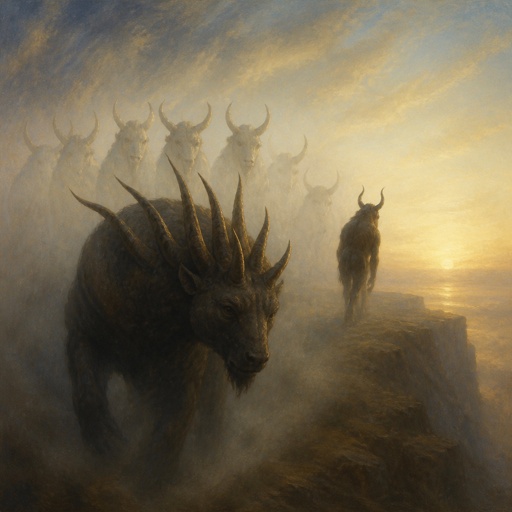
"And the beast that was, and is not, even he is the eighth, and is of the seven, and goeth into perdition." - Revelation 17:11

Revelation 17:14

Revelation 17:14

Revelation 17:14

Revelation 17:14

Revelation 17:14

Revelation 17:3-4

Revelation 17:3-6

Revelation 17:3-6

Revelation 17:3-6

Revelation 17:3-6

Revelation 17:3-4

Revelation 13:16-17

Revelation 17:3-6

Revelation 1:11

Revelation 21:11

Revelation 11:9

Revelation 21:11

Revelation 1:11

Revelation 1:11

Revelation 9:11

Revelations 7:11

Revelation 17:17 - "For God hath put in their hearts to fulfil his will, and to agree, and give their kingdom unto the beast, until the words of God shall be fulfilled."

Revelations 8:11-13

Revelation 17:13 - "These have one mind, and shall give their power and strength unto the beast."

Revelation 6:17 - "For the great day of his wrath is come; and who shall be able to stand?"

REVELATION 11:6. WATERS TURNING TO BLOOD

Revelation 16:11 - "And blasphemed the God of heaven because of their pains and their sores, and repented not of their deeds."