What does Revelation 20:13 mean?
“And the sea gave up the dead which were in it; and death and hell delivered up the dead which were in them: and they were judged every man according to their works.” — Revelation 20:13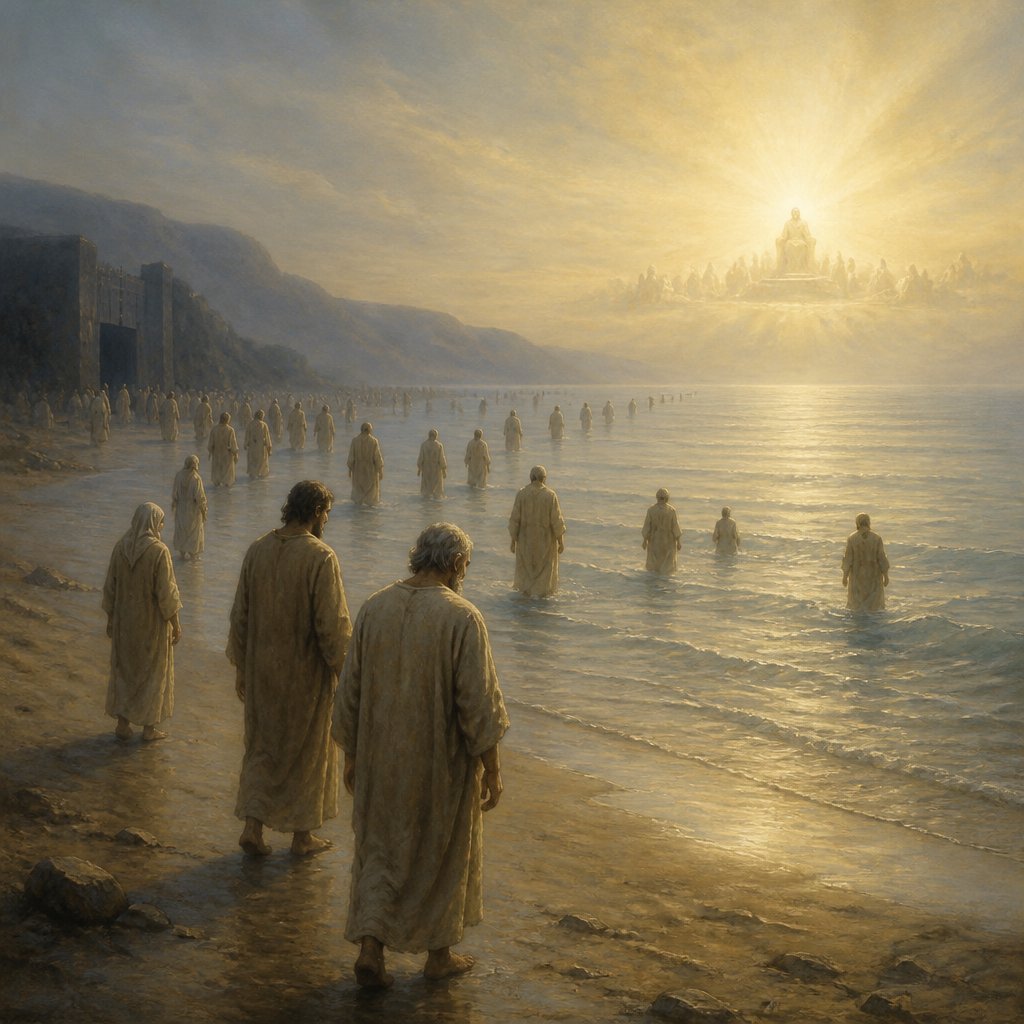
Revelation 20:13 in the King James Version of the Bible reads, "And the sea gave up the dead which were in it; and death and hell delivered up the dead which were in them: and they were judged every man according to their works." This verse comes from the book of Revelation, the final book of the New Testament, and is part of a passage that describes the final judgment of all humanity.
To understand the full meaning and context of this verse, it is important to consider the broader themes and symbolism found throughout the book of Revelation. The book is written in apocalyptic language and imagery, using symbolic language to convey a message about the divine plan for the end times. It is a book that is filled with visions and prophecies, and it includes a dramatic portrayal of the cosmic battle between good and evil, and the ultimate triumph of God over the forces of darkness.
In Revelation 20, the passage leading up to verse 13 describes the reign of Christ on earth for a thousand years, known as the millennium. During this time, Satan is bound and unable to influence humanity, and those who have been martyred for their faith are resurrected and reign with Christ. At the end of the thousand years, Satan is released and gathers an army to make war against the saints, but he is ultimately defeated and thrown into the lake of fire.
Following this, the scene shifts to the final judgment. The sea, death, and hell are depicted as giving up the dead that are in them, a symbolic representation of all those who have died throughout history. This verse underscores the idea that all people, regardless of their earthly circumstances or the manner of their death, will ultimately face judgment before God. The mention of being judged "every man according to their works" emphasizes the biblical teaching that individuals will be held accountable for their actions and the choices they have made in life.
The sea is a recurrent symbol in the book of Revelation, often representing chaos and the unknown, as well as the realm of the dead. In this context, the sea giving up its dead can be understood as a metaphor for the end of the current order of things and the beginning of a new, divine order. Likewise, death and hell are portrayed as giving up their dead, signifying that there is no place or condition that can ultimately shield individuals from facing judgment before God.
The theme of judgment is central to the message of Revelation, and it serves as a reminder of the importance of living a life in accordance with God's will. The verse emphasizes the idea that ultimately, all individuals will have to give an account of their deeds before God. This underscores the biblical teaching that our actions in this life have eternal significance, and that our choices have consequences that extend beyond our earthly existence.
In conclusion, Revelation 20:13 is a significant verse that speaks to the final judgment of humanity. It is part of a larger passage that depicts the culmination of history, the defeat of evil, and the vindication of the righteous. The verse serves as a powerful reminder of the ultimate accountability we have before God and the importance of living a life that is faithful and obedient to His will. In the grand narrative of the book of Revelation, this verse represents the culmination of God's redemptive plan and the fulfillment of His justice.
Get our apps


Artwork for Revelation 20:13

Revelation 20:13 - "And the sea gave up the dead which were in it; and death and hell delivered up the dead which were in them: and they were judged every man according to their works."

The sea gave up the dead which were in it Rev 20:13
"And the sea gave up the dead which were in it; and death and hell delivered up the dead which were in them: and they were judged every man according to their works." - Revelation 20:13

Revelation 20:7

Revelation 20:4

Revelation 20:4

Revelation 20:4

Revelation 20:7

Revelation 20:7

Revelation 3:20

Revelation 20:4

Revelation 20:4

Revelation 20:7

Revelation 3:20

Revelation 3:20

Revelation 20:10

Revelation 13:10

revelation 1:13

REVELATION 4:20 THE LAMPSTANDS ARE THE CHURCHES

Jeremiah 13:20 - "Lift up your eyes, and behold them that come from the north: where is the flock that was given thee, thy beautiful flock?"

Revelation 13:16-17

revelation 1:13-16

Revelation 16:20 - "And every island fled away, and the mountains were not found."

Revelation 3:20 Jesus standing at the door

Revelation 20:15 - "And whosoever was not found written in the book of life was cast into the lake of fire."

Revelation 20:14 - "And death and hell were cast into the lake of fire. This is the second death."

Revelations 8:11-13

Revelations 1:13-16

Revelation 20:7 - "And when the thousand years are expired, Satan shall be loosed out of his prison,"

lake of fire from the Bible at Revelation 19:20