What does Revelation 22:21 mean?
“The grace of our Lord Jesus Christ be with you all. Amen.” — Revelation 22:21
Revelation 22:21 in the King James Version of the Bible reads:
"The grace of our Lord Jesus Christ be with you all. Amen."
This verse serves as the conclusion to the Book of Revelation, the final book of the New Testament. The Book of Revelation is a highly symbolic and apocalyptic work, attributed to the Apostle John, and it is primarily concerned with the end times and the ultimate triumph of good over evil. In the final chapter of this book, the author, traditionally believed to be John, emphasizes the importance of heeding the message contained within the book, as well as the urgency of the events it describes.
The verse itself serves as a benediction or blessing from the author to his audience. This blessing is directed towards all who have read or will read the book, and it emphasizes the grace of Jesus Christ. The use of the term "grace" in this context is significant, as it refers to the unmerited favor or blessing of God, which is given to all believers. The author is essentially wishing for his readers to experience the transformative and saving power of Jesus Christ's grace.
One of the key themes in this verse, as well as in the Book of Revelation as a whole, is the concept of grace. Throughout the book, believers are reminded of the grace and salvation offered to them through Jesus Christ. In the final verse, the author once again stresses the importance of this grace, highlighting its all-encompassing nature by addressing "you all." This inclusive language reflects the universal scope of God's grace, which is offered to all who believe in Jesus Christ.
Additionally, the phrase "Amen" at the end of the verse serves as an affirmation of the truth and certainty of the preceding statement. It is a common word used in prayer and worship to express agreement or affirmation. In this context, it serves as a declaration of the certainty of God's grace and blessing upon the readers.
It is important to consider the historical context of the Book of Revelation when interpreting this verse. The book was likely written during a time of intense persecution of Christians by the Roman Empire, and it was intended to provide encouragement and hope to the early Christian communities. The author's message of the ultimate victory of good over evil and the triumph of God's kingdom would have been particularly relevant and comforting to those facing persecution and hardship.
Symbolically, the verse can be seen as a declaration of hope and assurance for believers, emphasizing the enduring presence and grace of Jesus Christ in their lives. It serves as a reminder of the ultimate victory of good over evil and the promise of eternal life for those who remain faithful. The use of the word "Amen" further underscores the finality and certainty of these promises.
In conclusion, Revelation 22:21 is a powerful and poignant conclusion to the Book of Revelation, emphasizing the unmerited grace and blessing of Jesus Christ upon the believers. It serves as a benediction that offers hope and assurance in the face of adversity, and it reaffirms the ultimate triumph of good over evil. As the final verse of the Bible, it encapsulates the central message of the Christian faith and serves as a fitting conclusion to the biblical narrative.
Get our apps


Artwork for Revelation 22:21

Revelation 22:21 - "The grace of our Lord Jesus Christ be with you all. Amen."

"The grace of our Lord Jesus Christ be with you all. Amen." - Revelation 22:21

Revelation 21:22 - "And I saw no temple therein: for the Lord God Almighty and the Lamb are the temple of it."

"And I saw no temple therein: for the Lord God Almighty and the Lamb are the temple of it." - Revelation 21:22

Revelation 21:22-23 - "And I saw no temple in the city, for its temple is the Lord God the Almighty and the Lamb. And the city has no need of sun or moon to shine on it, for the glory of God gives it light, and its lamp is the Lamb."

1 Samuel 22:21 - "And Abiathar shewed David that Saul had slain the LORD'S priests."

Revelation 19:19-21

Revelation 19:19-21

Revelation 19:19-21

Revelation 21:5

Revelation 21:1

Revelation 21:6

Revelation 21: 1

Revelation 21:3

Revelation 21:2

Revelation 21:2

Revelation 21: 10

Revelation 21:3

Revelation 22:18

Revelation 7:22
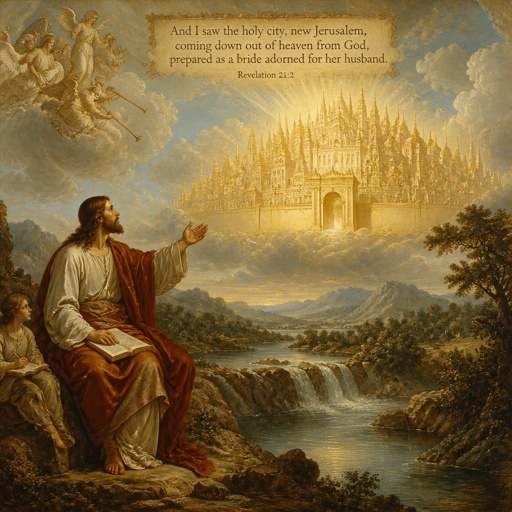
Revelation 21:2

Revelation 21:2
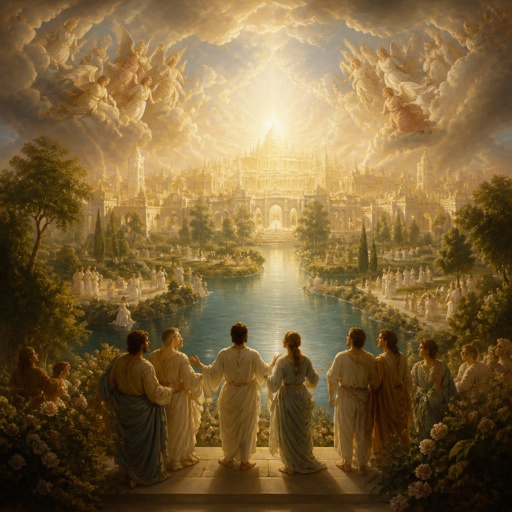
Revelation 21:2

Revelation 21:11

Revelation 21:2

Revelation 21:2

Revelation 21:12

Revelation 21:4

Revelation 21:11

Revelation 21:21 – "The twelve gates were twelve pearls, each gate made of a single pearl."