What does Revelation 22:8 mean?
“And I John saw these things, and heard them. And when I had heard and seen, I fell down to worship before the feet of the angel which shewed me these things.” — Revelation 22:8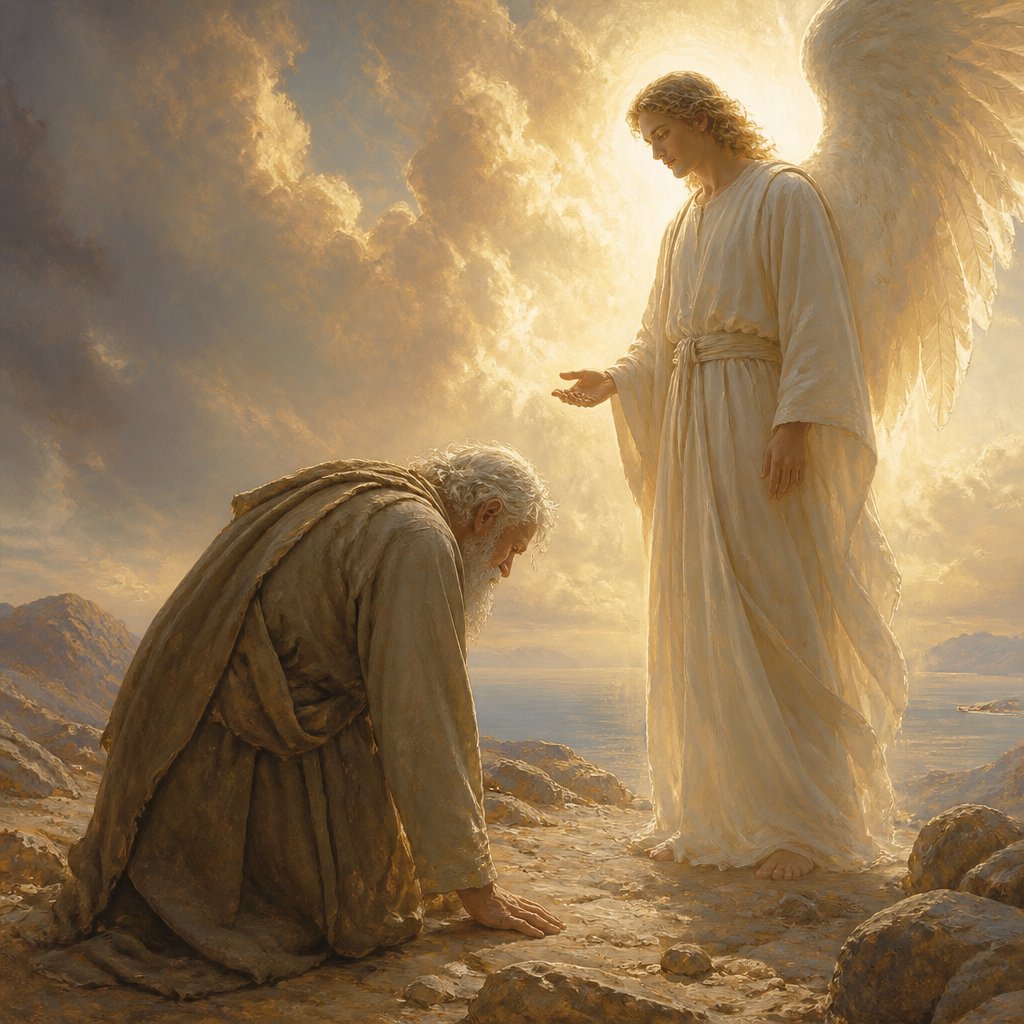
Revelation 22:8 in the King James Version of the Bible states, "And I John saw these things, and heard them. And when I had heard and seen, I fell down to worship before the feet of the angel which shewed me these things."
This verse comes from the Book of Revelation, which is the last book of the New Testament. The book is filled with vivid imagery and symbolism, as it contains visions that were given to the apostle John while he was in exile on the island of Patmos. The verses in Revelation are often interpreted as prophetic and apocalyptic, and they are believed to foretell the final battle of good and evil, the return of Jesus Christ, and the establishment of a new heaven and earth.
In Revelation 22:8, John is describing his reaction to the visions that he has seen and heard. After witnessing these extraordinary events, he is so overwhelmed that he falls down to worship at the feet of the angel who has been revealing these heavenly visions to him. However, the angel quickly corrects John, telling him, "See thou do it not: for I am thy fellowservant, and of thy brethren the prophets, and of them which keep the sayings of this book: worship God" (Revelation 22:9).
This passage serves as a reminder that worship is reserved for God alone. In John's awe and wonder at what he has seen, he is inclined to offer worship to the angel who has been instrumental in revealing these miraculous events. However, the angel redirects John's worship towards God, emphasizing the proper object of adoration.
From a thematic perspective, this verse speaks to the importance of maintaining reverence and worship for God and God alone. It also serves as a caution against idolatry or misplaced worship. In the context of the Book of Revelation, it underscores the otherworldly and divine nature of the visions and events that John has been witnessing, and serves as a powerful reminder of the magnitude and majesty of God.
Symbolically, the falling down to worship at the feet of the angel can also be seen as a representation of humanity's tendency to elevate and exalt creatures or creations rather than the Creator. It is a reminder of the need for humility and submission before God, and a recognition of the ultimate authority and sovereignty of the divine.
In a broader context, this verse can be interpreted as a call to discernment and discernment. It prompts us to reflect on where we place our trust and adoration, and to ensure that our worship is directed towards the true source of all life and goodness. It also encourages us to approach the divine with reverence and awe, recognizing the sacredness and holiness of God's presence.
In conclusion, Revelation 22:8 is a profound and evocative verse that conveys important themes of worship, reverence, and devotion. It serves as a reminder of the primacy of God in our lives and the need to align our hearts and minds with the divine. It also underscores the transcendent and awe-inspiring nature of the visions and events described in the Book of Revelation, and the profound significance of these heavenly revelations. Ultimately, it calls us to approach the divine with humility and awe, recognizing the majesty and holiness of God's presence.
Get our apps


Artwork for Revelation 22:8

Revelation 22:8 - "And I John saw these things, and heard them. And when I had heard and seen, I fell down to worship before the feet of the angel which shewed me these things."
"And I John saw these things, and heard them. And when I had heard and seen, I fell down to worship before the feet of the angel which shewed me these things." - Revelation 22:8

Revelation 22:18

Revelation 7:22
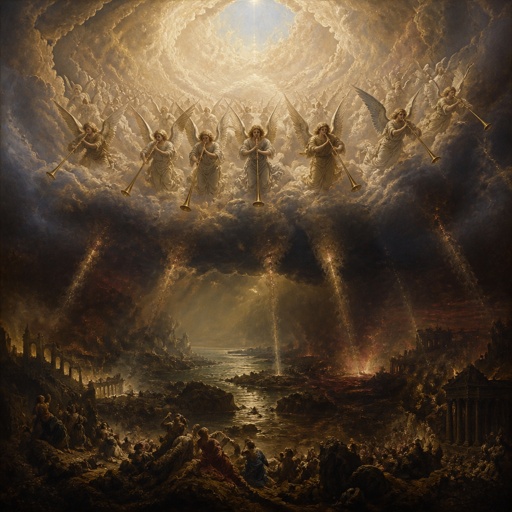
Revelation 8

REVELATION 4:8

REVELATION 4:8

REVELATION 4:8

Revelation 22: 1-5

REVELATION 4:8

REVELATION 4:8

REVELATION 4:8

REVELATION 4:8

Revelation 4:8

Revelation 4:8

Revelation 8:5

Revelation 5:8

revelations 22:1-3

Revelation 15:5-8

Revelation 15:5-8

Revelation 15:5-8

Revelation 22:13 - "I am Alpha and Omega, the beginning and the end, the first and the last."

Revelation 22:4 - "And they shall see his face; and his name shall be in their foreheads."

Revelation 22:21 - "The grace of our Lord Jesus Christ be with you all. Amen."

Revelation 21:22 - "And I saw no temple therein: for the Lord God Almighty and the Lamb are the temple of it."

revelation 22: 3 - jesus on the throne and crowds rejoicing

revelation 22: 3 - jesus on the throne and crowds rejoicing

Revelation 22:7 - "Behold, I come quickly: blessed is he that keepeth the sayings of the prophecy of this book."

Revelation 22:10 - "And he saith unto me, Seal not the sayings of the prophecy of this book: for the time is at hand."

Revelation 22:4 (FBV) They will see his face, and his name will be on their foreheads.