What does Revelation 2:20 mean?
“Notwithstanding I have a few things against thee, because thou sufferest that woman Jezebel, which calleth herself a prophetess, to teach and to seduce my servants to commit fornication, and to eat things sacrificed unto idols.” — Revelation 2:20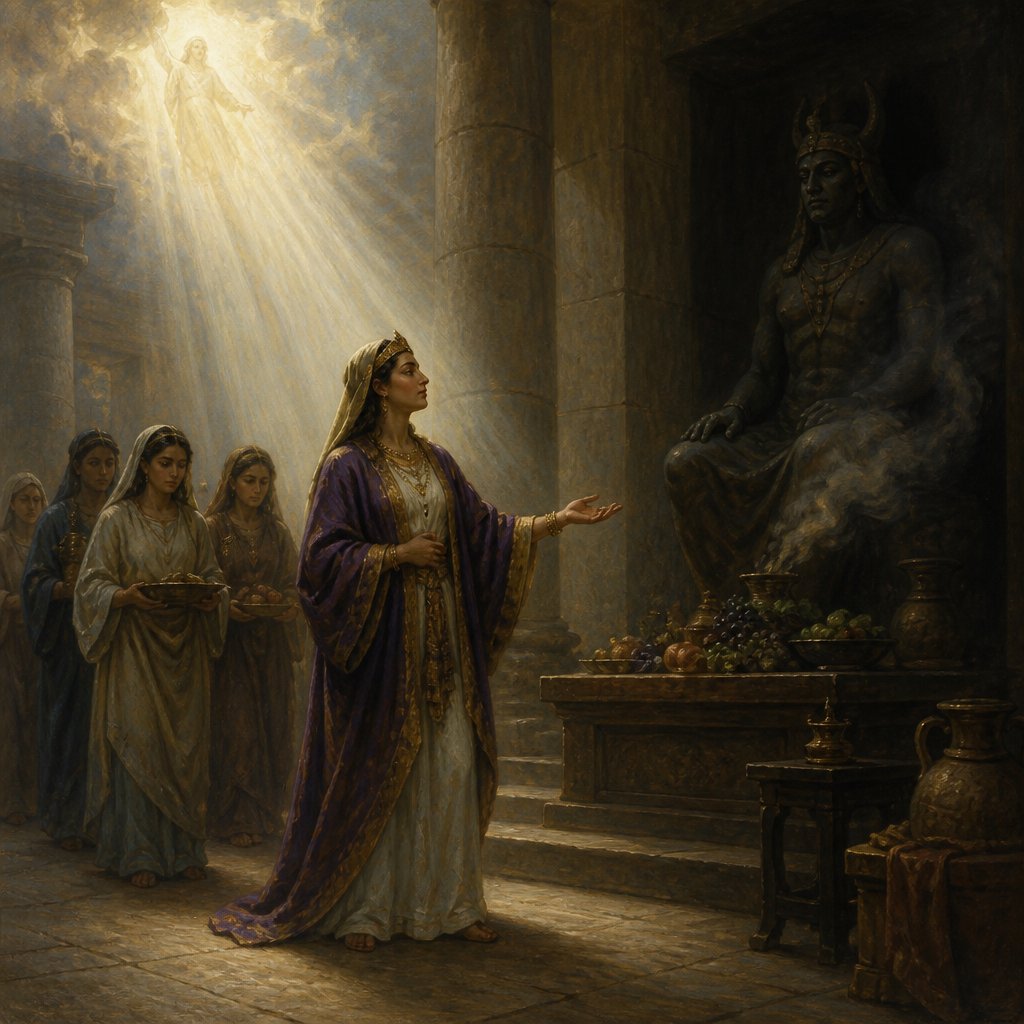
Revelation 2:20 (KJV) says, "Notwithstanding I have a few things against thee, because thou sufferest that woman Jezebel, which calleth herself a prophetess, to teach and to seduce my servants to commit fornication, and to eat things sacrificed unto idols."
This verse is part of a letter written by the apostle John to the church in Thyatira, one of the seven churches mentioned in the book of Revelation. In this letter, Jesus addresses the church's tolerance of a woman named Jezebel who was teaching and leading the church astray.
The name "Jezebel" carries significant symbolic weight, as it refers to a notorious queen in the Old Testament who was known for her wickedness and idolatry. By using this name, Jesus is drawing a parallel between the behavior of the woman in Thyatira and the behavior of the infamous Jezebel from the Old Testament.
The church in Thyatira was being rebuked for allowing this woman to remain in authority and influence despite her false teachings and immoral behavior. This speaks to the broader theme of spiritual compromise and the danger of allowing false teachings to infiltrate the church. The consequences of such compromise are severe, as Jesus warns that unless the church in Thyatira repents, he will "cast" Jezebel "into a bed, and them that commit adultery with her into great tribulation, except they repent of their deeds" (Revelation 2:22, KJV).
The specific sins mentioned in this verse—committing fornication and eating things sacrificed to idols—carry broader symbolic significance. On a literal level, they refer to the moral and spiritual compromises made by the church in Thyatira. But on a deeper level, they symbolize the spiritual adultery and idolatry that occurs when Christians stray from the true worship of God and fall into sin and false teachings.
This verse serves as a cautionary tale for the church, warning against complacency and compromise. It urges believers to remain vigilant and discerning, rejecting false teachings and holding fast to the truth of the gospel. The consequences of failing to do so are severe, as Jesus makes clear in his letter to the church in Thyatira.
In a broader theological context, this verse speaks to the ongoing battle between good and evil, truth and falsehood. It emphasizes the importance of remaining faithful to God and his word, even in the face of opposition and temptation. It also highlights the reality of spiritual warfare, in which false teachings and immoral behavior can lead believers astray if they are not rooted in the truth of God's word.
In conclusion, Revelation 2:20 (KJV) is a powerful reminder of the dangers of spiritual compromise and the need for discernment and faithfulness in the face of false teachings. It serves as a warning to the church, urging believers to remain steadfast in their devotion to God and his word. By understanding the historical context and symbolic significance of this verse, we can glean important insights into the ongoing spiritual battle and the need for unwavering faith in the face of opposition.
Get our apps


Artwork for Revelation 2:20
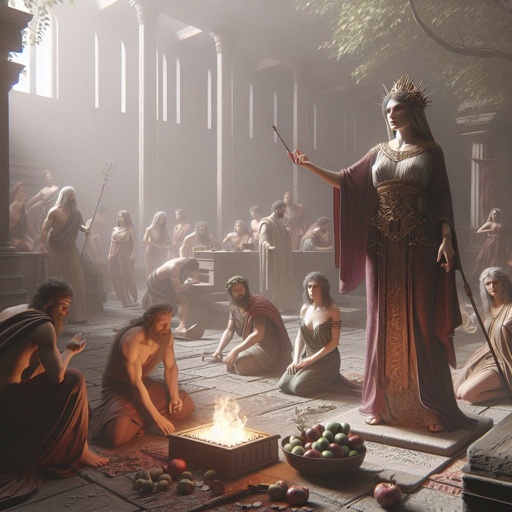
Revelation 2:20 - "Notwithstanding I have a few things against thee, because thou sufferest that woman Jezebel, which calleth herself a prophetess, to teach and to seduce my servants to commit fornication, and to eat things sacrificed unto idols."
"Notwithstanding I have a few things against thee, because thou sufferest that woman Jezebel, which calleth herself a prophetess, to teach and to seduce my servants to commit fornication, and to eat things sacrificed unto idols." - Revelation 2:20

Revelation 20:2 - "And he laid hold on the dragon, that old serpent, which is the Devil, and Satan, and bound him a thousand years,"

Revelation 20:7

Revelation 20:4

Revelation 20:4

Revelation 20:7

Revelation 20:4

Revelation 20:7

Revelation 3:20

Revelation 20:4

Revelation 20:4

Revelation 3:20

Revelation 20:7

Revelation 3:20

Revelation 20:10

REVELATION 4:20 THE LAMPSTANDS ARE THE CHURCHES

Revelation 16:20 - "And every island fled away, and the mountains were not found."

Revelation 3:20 Jesus standing at the door

Revelation 20:15 - "And whosoever was not found written in the book of life was cast into the lake of fire."

Revelation 20:14 - "And death and hell were cast into the lake of fire. This is the second death."
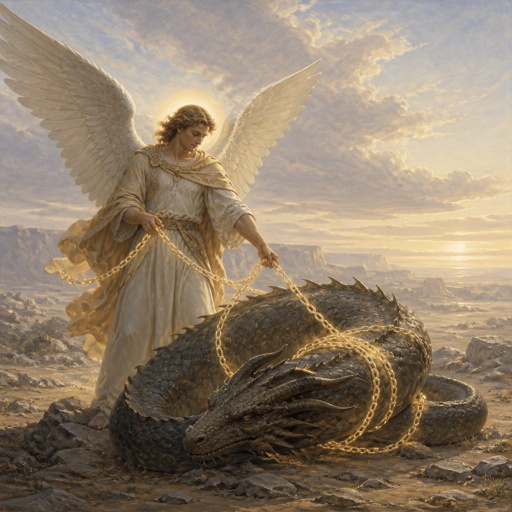
"And he laid hold on the dragon, that old serpent, which is the Devil, and Satan, and bound him a thousand years," - Revelation 20:2

lake of fire from the Bible at Revelation 19:20

Revelation 20:7 - "And when the thousand years are expired, Satan shall be loosed out of his prison,"

Revelation 20:5 - "But the rest of the dead lived not again until the thousand years were finished. This is the first resurrection."

Revelation 18:20 - "Rejoice over her, thou heaven, and ye holy apostles and prophets; for God hath avenged you on her."
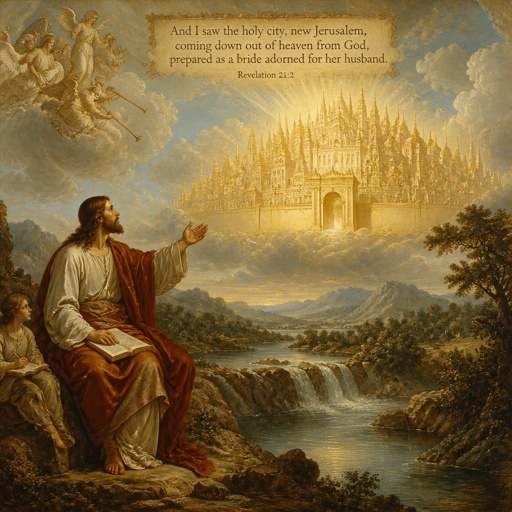
Revelation 21:2

Revelation 21:2
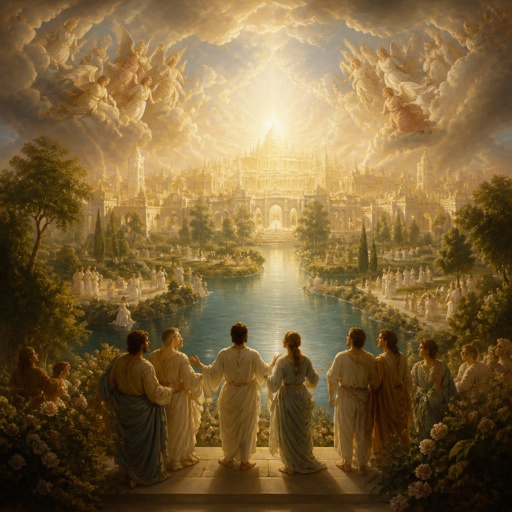
Revelation 21:2

Revelation 21:2