What does Revelation 2:4 mean?
“Nevertheless I have somewhat against thee, because thou hast left thy first love.” — Revelation 2:4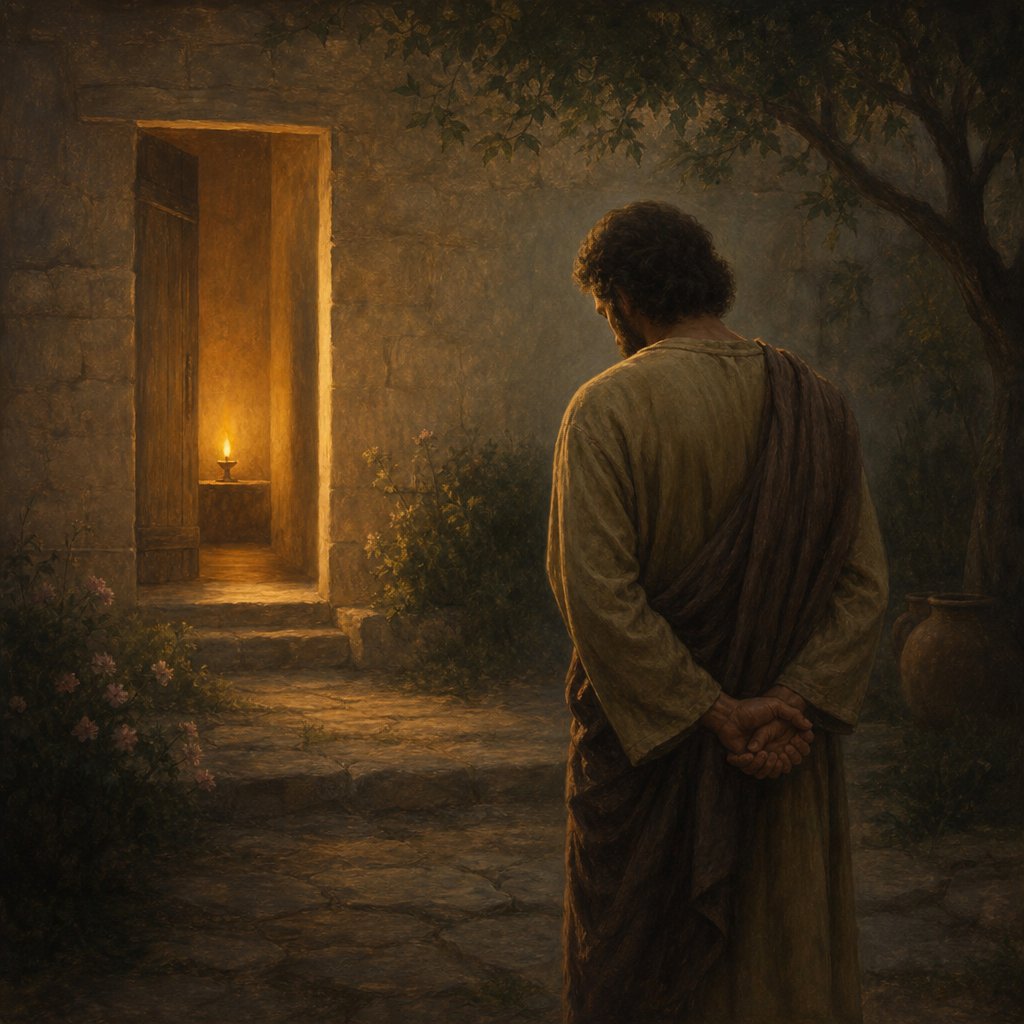
Revelation 2:4 in the King James Version reads, “Nevertheless I have somewhat against thee, because thou hast left thy first love.” These words belong to the message of Jesus Christ to the church of Ephesus, delivered through John in the opening chapters of Revelation, where the Lord addresses seven churches that were real congregations in Asia, yet are also presented in a way that speaks searchingly to the spiritual condition of the church in every age. The sentence begins with “Nevertheless,” which turns the reader from commendation to correction. In the verses immediately before, the Lord has acknowledged what is praiseworthy in Ephesus: their “works,” their “labour,” their “patience,” their refusal to “bear them which are evil,” their testing of false claimants to apostleship, and their endurance “for my name’s sake.” The force of Revelation 2:4 is that orthodox doctrine, moral seriousness, and perseverance under pressure, though good and necessary, can exist alongside a deep inward loss—love for Christ that once burned more freely, more simply, and more warmly.
The phrase “I have somewhat against thee” is not the voice of a distant critic but of the One who, as Revelation 2:1 says, “walketh in the midst of the seven golden candlesticks.” The candlesticks symbolize the churches in their calling to bear light, and Christ’s walking among them signifies His present knowledge, authority, and care. Because He is in their midst, His judgment is not guesswork; it is intimate and exact. The rebuke is therefore not about an outward defect easily measured by men, but about an inward spiritual decline that only the Lord can weigh perfectly. This highlights one of Revelation’s persistent themes: the Lord searches not only deeds but desires; not only confession but affection; not only what a church opposes, but what it loves.
“Because thou hast left thy first love” expresses a movement away from something once possessed. “Left” does not necessarily mean that love is utterly absent in every form, but that it has been departed from as a ruling affection and as the fountain from which obedience flows. “First love” is the love that was early, chief, and primary: the love that marked the beginning, when Christ was precious in a way that made obedience glad rather than merely dutiful. In Scripture, love is not treated as a mere feeling, but as the heart’s allegiance and delight that gives life to service. The tragedy at Ephesus is that the church’s outer life could look strong while the inner spring was weakening. In the language of the New Testament, works without love are hollow; zeal without love can become harsh; discernment without love can become cold; endurance without love can become mechanical. Revelation 2:4 exposes the danger of spiritual maturity degenerating into spiritual routine, where the church still stands for truth but no longer stands in tenderness of communion with the Lord.
The context of Ephesus intensifies the significance. Ephesus was a place of spiritual conflict and idolatry, and the church there had been taught deeply and had contended earnestly. Yet the Lord’s complaint shows that standing against error is not the same thing as abiding in love. In Revelation’s symbolism, a church is a lampstand meant to bear light. Light is not only clarity of doctrine but also the radiance of holiness and love. When “first love” is left, the lamp may still appear to shine in activity, but it loses the warmth and purity that makes its witness truly Christlike. This is why, in the verses that follow, the Lord calls them to “remember,” “repent,” and “do the first works,” and warns of the candlestick being removed if they will not hear. The warning reveals that love is not an optional ornament of church life; it is essential to a church’s identity and endurance as a light-bearing people.
There is also a covenantal and relational note in the expression “first love.” Throughout Scripture the relationship between God and His people is described in terms of love, faithfulness, and sometimes the sorrow of forsaken affection. The rebuke in Revelation 2:4 therefore carries the grief of a wounded relationship, not merely the displeasure of a supervisor. Christ is not only evaluating performance; He is calling His people back to Himself. The verse implies that the greatest loss a church can suffer is not persecution, poverty, or controversy, but the quiet departure of the heart from the Lord. It suggests that a church may remain busy, vigilant, and even courageous, and yet be in spiritual danger because its works are no longer the expression of love, but the substitute for it.
Revelation 2:4 thus functions as a searching spiritual diagnosis. It teaches that the Lord values love as the root of all true obedience, that He sees when religious life becomes detached from communion with Him, and that faithfulness in doctrine must be married to affection for Christ. The verse is significant because it confronts the temptation to measure spiritual health mainly by activity and correctness, and it insists that the first and greatest matter is whether the heart is still held by Christ as it was at the beginning—whether He remains the “first” love, not merely a defended truth.
Get our apps


Artwork for Revelation 2:4

Revelation 2:4 - "Nevertheless I have somewhat against thee, because thou hast left thy first love."

"Nevertheless I have somewhat against thee, because thou hast left thy first love." - Revelation 2:4
"Nevertheless I have somewhat against thee, because thou hast left thy first love." - Revelation 2:4

Revelation 4:2 - "And immediately I was in the spirit: and, behold, a throne was set in heaven, and one sat on the throne."

Revelation 4

REVELATION 4:8

REVELATION 4:8

REVELATION 4:8

REVELATION 4:8

REVELATION 4:8

REVELATION 4:8

REVELATION 4:8

Revelation 4:2 - "And immediately I was in the spirit: and, behold, a throne was set in heaven, and one sat on the throne."

Revelation 4:2 - "And immediately I was in the spirit: and, behold, a throne was set in heaven, and one sat on the throne."

Revelation 20:4

Revelation 20:4

Revelation 4:8

REVELATION 4:7

Revelation 20:4

Revelation 21:4

Revelation 20:4

Revelation 20:4

Revelation 19:4

Revelation 4:8
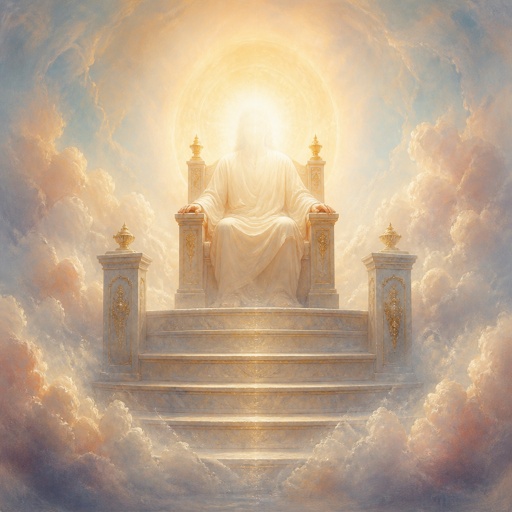
"And immediately I was in the spirit: and, behold, a throne was set in heaven, and one sat on the throne." - Revelation 4:2

Revelation 15:1-4

Revelation 17:3-4

Revelation 17:3-4

Revelations 21:4

revelations 4:1