What does Revelation 2:8 mean?
“And unto the angel of the church in Smyrna write; These things saith the first and the last, which was dead, and is alive;” — Revelation 2:8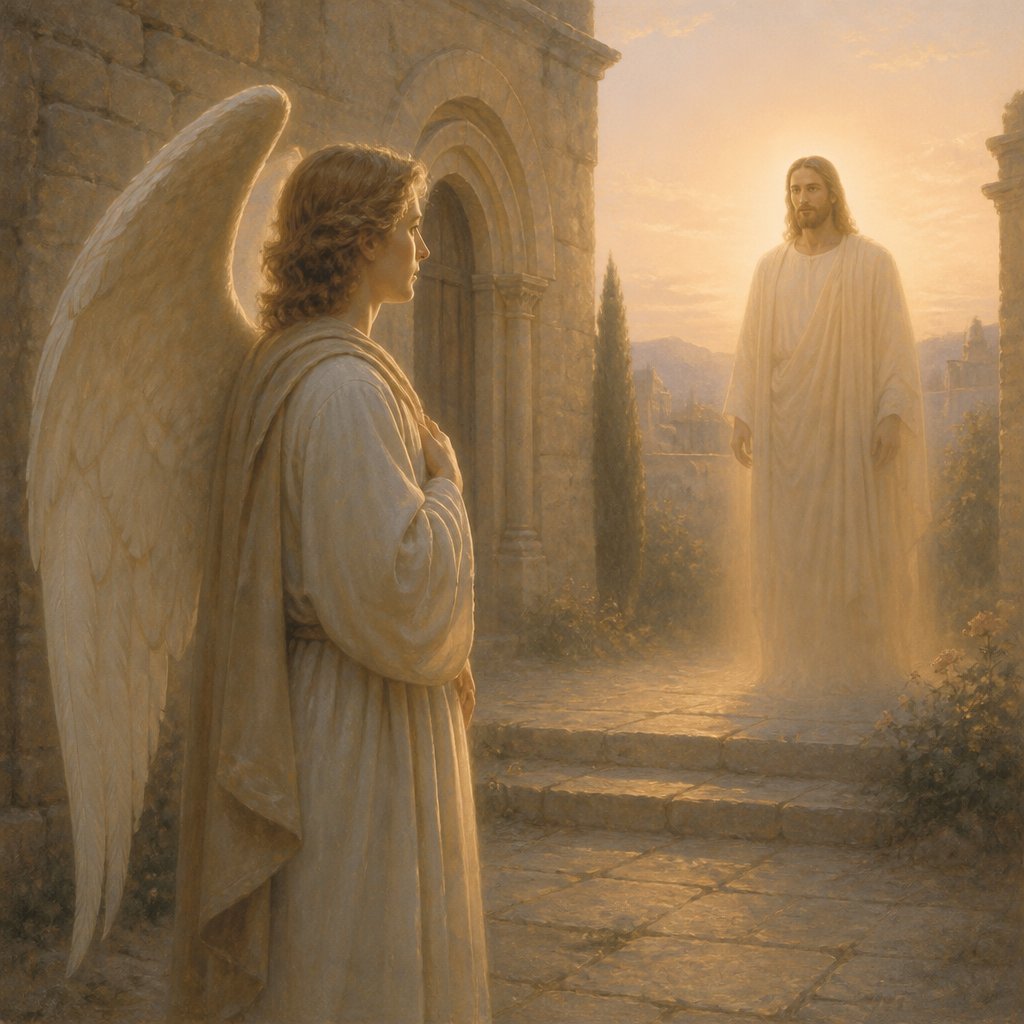
Revelation 2:8 in the King James Version of the Bible reads, "And unto the angel of the church in Smyrna write; These things saith the first and the last, which was dead, and is alive."
This verse is part of a series of messages to the seven churches in Asia Minor, as recorded in the book of Revelation. Each message was directed to the "angel" or messenger of the church, though many interpret this to refer to the pastor or leader of the congregation. In this particular verse, the message is addressed to the church in Smyrna, which was a city known for its wealth, culture, and the worship of pagan gods. The church in Smyrna, however, faced persecution and hardship due to their refusal to partake in the idolatry of the city.
The verse begins with the declaration, "These things saith the first and the last". This phrase is a reference to Jesus Christ, who identifies Himself by one of His divine titles, signifying His eternal and omnipotent nature. By identifying Himself as the "first and the last", Jesus is asserting His divine authority and sovereignty over all creation, as well as His eternal existence before the beginning of time and after its end.
The next phrase, "which was dead, and is alive", is a powerful declaration of the resurrection of Jesus Christ. This statement emphasizes the reality of Christ's death and subsequent resurrection, which is the cornerstone of the Christian faith. By conquering death and rising again, Jesus demonstrated His power over sin and the grave, offering hope and eternal life to all who believe in Him. This message would have been especially meaningful to the persecuted church in Smyrna, as it reminded them of the ultimate victory they have in Christ, even in the face of suffering and death.
The themes present in this verse are those of endurance, faithfulness, and hope in the midst of persecution and suffering. The church in Smyrna was commended by Christ for their steadfastness in the face of tribulation, poverty, and slander (Revelation 2:9). Despite the challenges they faced, they remained faithful to their Lord and Savior, Jesus Christ. This message serves as an encouragement to all believers who may find themselves in difficult circumstances, reminding them that Christ is with them and that their suffering is not in vain.
The context of this verse holds particular significance within the broader narrative of the book of Revelation. The messages to the seven churches not only addressed the specific situations of those congregations at that time but also contained timeless truths and warnings for the universal church throughout history. The persecution faced by the church in Smyrna was a reality for many early Christians, and continues to be a reality for believers in various parts of the world today. The message to Smyrna serves as a reminder that those who endure suffering for the sake of Christ will receive the crown of life (Revelation 2:10), and that their faithful witness will not go unnoticed by their Lord.
Symbolically, the reference to Christ as the "first and the last, which was dead, and is alive" encapsulates the essence of the Christian faith. This declaration highlights the unique identity and redemptive work of Jesus Christ, who is both fully God and fully man. His death and resurrection are central to the gospel message, and the hope of eternal life that is offered through faith in Him. Furthermore, the message to the church in Smyrna serves as a reminder to all believers that Christ is with them in their suffering, and that He will ultimately bring about justice and vindication for His people.
In conclusion, Revelation 2:8 carries a powerful message of encouragement and hope for believers facing persecution and adversity. The verse serves as a reminder of Christ's sovereignty, His victory over death, and the promise of eternal life for those who remain faithful to Him. The church in Smyrna serves as a timeless example of enduring faithfulness in the midst of trials, and their story continues to inspire and encourage the universal church today. This verse serves as a reminder for believers to remain steadfast in their faith, even in the face of opposition, knowing that their ultimate hope is in the resurrected and victorious Lord, Jesus Christ.
Get our apps


Artwork for Revelation 2:8

Revelation 2:8 - "And unto the angel of the church in Smyrna write; These things saith the first and the last, which was dead, and is alive;"
"And unto the angel of the church in Smyrna write; These things saith the first and the last, which was dead, and is alive;" - Revelation 2:8

Revelation 8:2 - "And I saw the seven angels which stood before God; and to them were given seven trumpets."
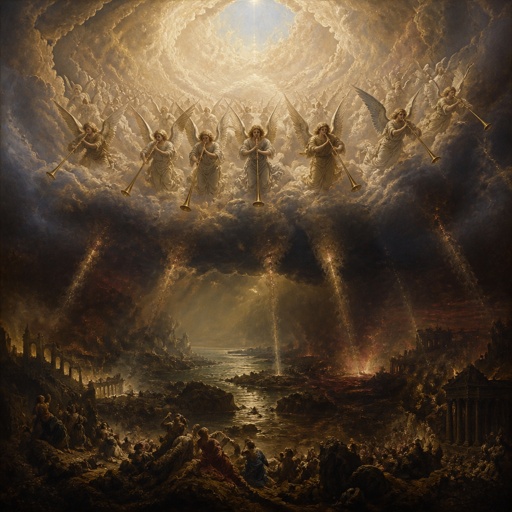
Revelation 8

REVELATION 4:8

REVELATION 4:8

REVELATION 4:8

REVELATION 4:8

REVELATION 4:8

REVELATION 4:8

REVELATION 4:8

Revelation 4:8

Revelation 4:8

Revelation 8:5

Revelation 5:8

Revelation 15:5-8

Revelation 15:5-8

Revelation 15:5-8

Revelations 8:3-5

Revelations 8:11-13

Revelation 12:8 - "And prevailed not; neither was their place found any more in heaven."

Revelation 8:8 - "And the second angel sounded, and as it were a great mountain burning with fire was cast into the sea: and the third part of the sea became blood;"

Revelation 9:8 - "And they had hair as the hair of women, and their teeth were as the teeth of lions."
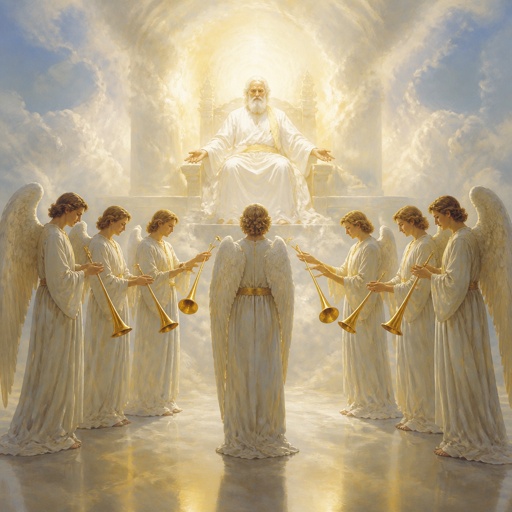
"And I saw the seven angels which stood before God; and to them were given seven trumpets." - Revelation 8:2

Revelation 8:6 - "And the seven angels which had the seven trumpets prepared themselves to sound."

1 Corinthians 2:8 - "Which none of the princes of this world knew: for had they known it, they would not have crucified the Lord of glory."
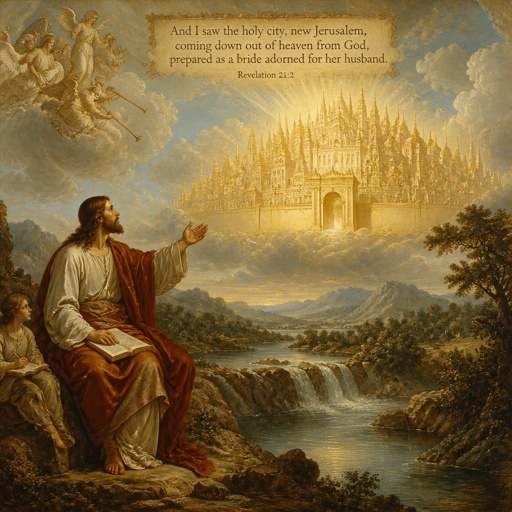
Revelation 21:2

Revelation 21:2
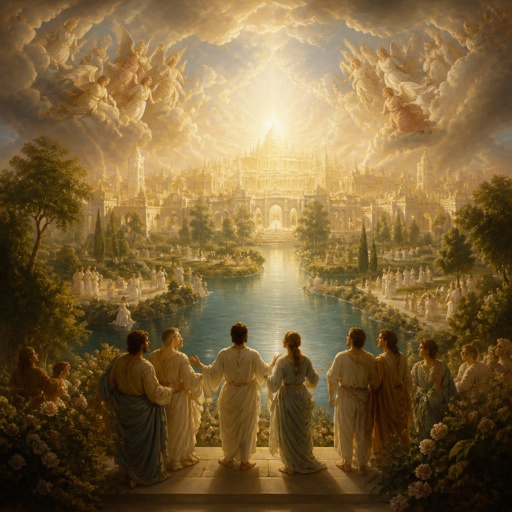
Revelation 21:2

Revelation 21:2