What does Revelation 8:7 mean?
“The first angel sounded, and there followed hail and fire mingled with blood, and they were cast upon the earth: and the third part of trees was burnt up, and all green grass was burnt up.” — Revelation 8:7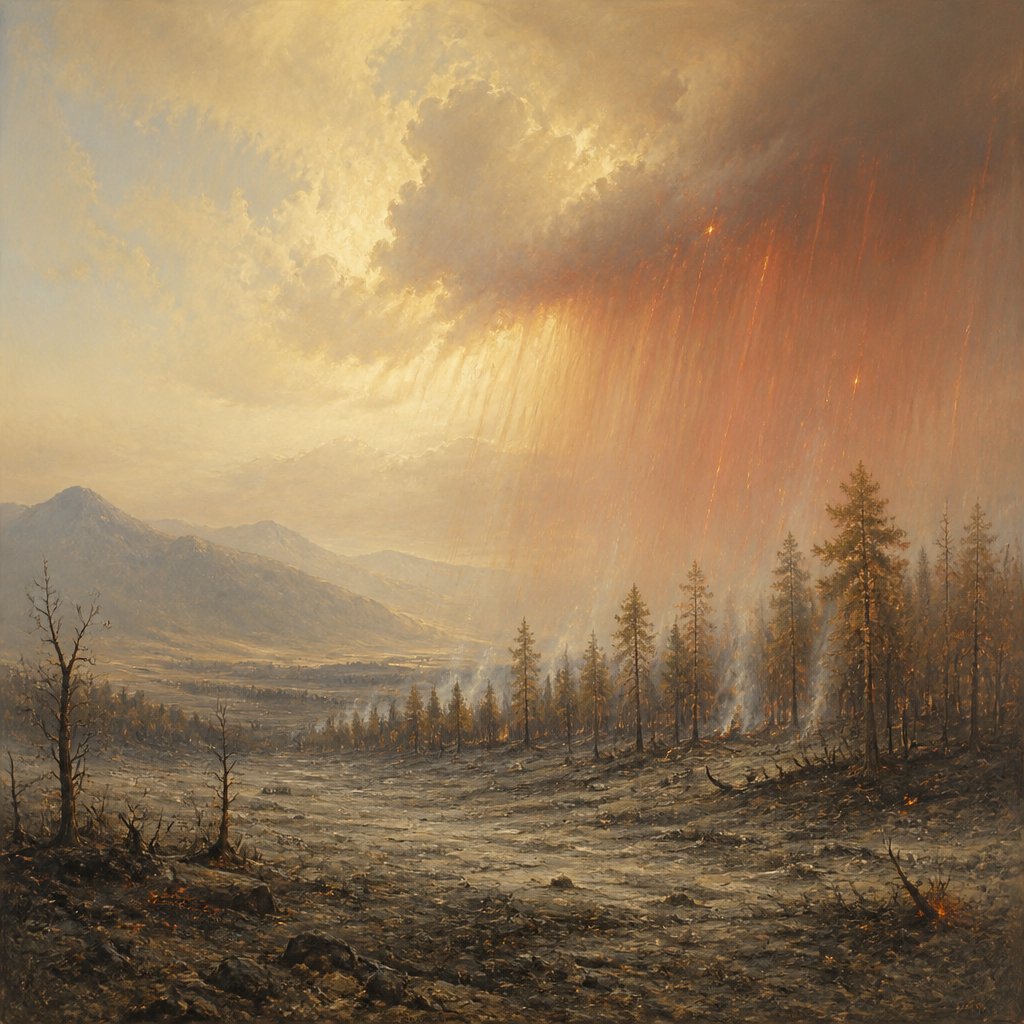
Revelation 8:7 - "The first angel sounded, and there followed hail and fire mingled with blood, and they were cast upon the earth: and the third part of trees was burnt up, and all green grass was burnt up."
The Book of Revelation, the last book of the Bible, is a prophetic writing that contains visions and messages about the end times, the return of Jesus Christ, and the ultimate triumph of good over evil. Chapter 8 describes the opening of the seventh seal in heaven, which signals the beginning of the seven trumpets. The verse in question, Revelation 8:7, specifically refers to the first of these seven trumpets.
The imagery in this verse is intense and dramatic, conveying a sense of impending doom and destruction. The "hail and fire mingled with blood" represents divine judgment and wrath, symbolizing the chaos and devastation that will be unleashed upon the earth. The fact that these elements are "cast upon the earth" emphasizes the indiscriminate nature of the destruction, as it affects all living things without distinction.
The mention of "the third part of trees" and "all green grass" being burnt up points to the widespread and catastrophic impact of these events. It evokes a sense of desolation and barrenness, as the very foundations of life - represented by trees and green grass - are consumed and destroyed. This serves as a stark reminder of the power and severity of God's judgment, as well as the consequences of human sin and rebellion.
The themes present in this verse are central to the overall message of the Book of Revelation. Throughout the book, there is a recurring focus on the conflict between good and evil, the fulfillment of divine prophecy, and the ultimate triumph of God's kingdom. The imagery of destruction and devastation serves as a warning to humanity, highlighting the consequences of turning away from God and embracing wickedness.
The context of this verse within the broader narrative of Revelation is significant. It is part of a series of visions depicting the unfolding of end-time events, leading up to the final judgment and the establishment of God's eternal kingdom. The trumpets are a recurring motif in these visions, each one heralding a different aspect of the divine judgment and the ongoing struggle between good and evil.
Symbolically, this verse can be interpreted as a representation of the consequences of sin and disobedience. The hail and fire represent the purifying and destructive power of God's judgment, cleansing the earth of wickedness and unrighteousness. The imagery of blood mingled with the elements further emphasizes the severity of the judgment, connecting it to the sacrificial atonement for sin.
The devastation of the trees and green grass symbolizes the far-reaching impact of God's judgment, affecting all aspects of creation. It serves as a stark reminder of the fragility of life and the consequences of straying from God's will. Ultimately, this verse points to the overarching message of Revelation - the inevitability of God's justice and the ultimate triumph of his kingdom over the forces of darkness.
In conclusion, Revelation 8:7 is a powerful and evocative verse that conveys a profound message about divine judgment and the consequences of human sin. Through its vivid imagery and dramatic symbolism, it serves as a warning and a call to repentance, urging readers to align themselves with God's will and turn away from wickedness. In the larger context of the Book of Revelation, it is a crucial part of the unfolding narrative of end-time events and the ultimate victory of good over evil.
Get our apps


Artwork for Revelation 8:7

Revelation 8:7 - "The first angel sounded, and there followed hail and fire mingled with blood, and they were cast upon the earth: and the third part of trees was burnt up, and all green grass was burnt up."
"The first angel sounded, and there followed hail and fire mingled with blood, and they were cast upon the earth: and the third part of trees was burnt up, and all green grass was burnt up." - Revelation 8:7

Revelation 7:8 - "Of the tribe of Zabulon were sealed twelve thousand. Of the tribe of Joseph were sealed twelve thousand. Of the tribe of Benjamin were sealed twelve thousand."
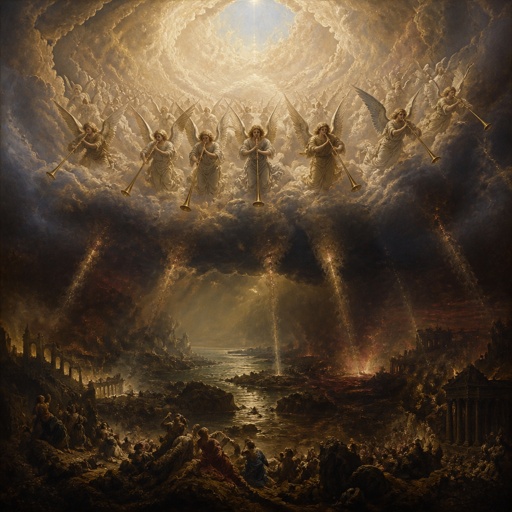
Revelation 8

REVELATION 4:8

REVELATION 4:8

REVELATION 4:8

REVELATION 4:8

REVELATION 4:8

REVELATION 4:8

REVELATION 4:8

Revelation 4:8

Revelation 4:8

Revelation 8:5

Revelation 5:8

Revelation 1:7

Revelation 20:7

Revelation 7:22

Revelation 20:7

Revelation 20:7

Revelation 1:7

Revelation 3:7

Revelation 20:7

REVELATION 4:7

Revelation 12:7

Revelation 15:5-8

Create a symbolic image portraying Rev. 1:7-8

Revelations 7
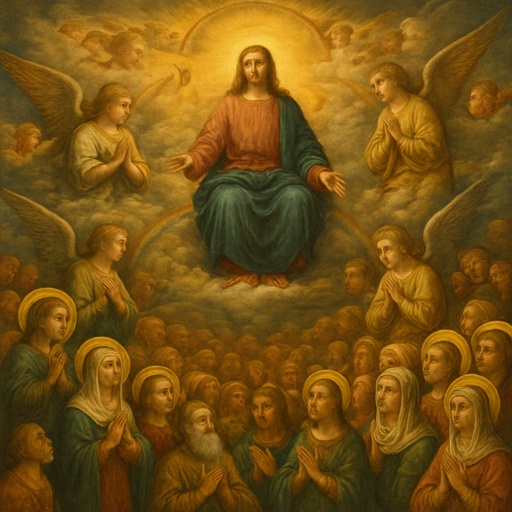
Revelations 7

Revelation 15:5-8