What does Romans 10:20 mean?
“But Esaias is very bold, and saith, I was found of them that sought me not; I was made manifest unto them that asked not after me.” — Romans 10:20
Romans 10:20, from the King James Version, states: "But Esaias is very bold, and saith, I was found of them that sought me not; I was made manifest unto them that asked not after me."
This verse is part of a larger passage in the book of Romans that discusses the rejection of the gospel by the Jewish people and the acceptance of it by the Gentiles. In this specific verse, Paul references the prophet Isaiah (Esaias) and his bold proclamation of the gospel. He highlights Isaiah’s declaration that he was found by those who were not actively seeking him and was made manifest to those who did not ask after him. This ties into the larger theme in the book of Romans of God’s plan for salvation being available to all, regardless of their background or previous actions.
The context of this verse is important in understanding its meaning. In the preceding verses, Paul is discussing the lack of faith among the Jewish people, despite their knowledge of God’s law and promises. He contrasts this with the Gentiles, who, despite not actively seeking after God, have found faith and salvation through the gospel. Paul is making the point that salvation is not achieved through adherence to the law or through active seeking, but rather through faith in Jesus Christ.
The verse from Isaiah that Paul quotes is found in Isaiah 65:1-2, which reads, "I am sought of them that asked not for me; I am found of them that sought me not: I said, Behold me, behold me, unto a nation that was not called by my name. I have spread out my hands all the day unto a rebellious people, which walketh in a way that was not good, after their own thoughts." This passage in Isaiah speaks to God's outreach to the Gentiles, who were not part of the original covenant with Israel. It emphasizes God's willingness to reveal himself to those who were not actively seeking him and his desire for all to come to repentance and salvation.
The theme of God’s inclusivity and outreach to all people, regardless of their background or previous actions, is central to the message of Romans 10:20. It emphasizes that salvation is available to all who have faith in Jesus Christ, and it is not limited to those who belong to a particular group or adhere to a specific set of religious laws.
The symbolism in this verse lies in the contrast between the active seeking of the Jewish people and the passive reception of the Gentiles. It serves as a reminder that salvation is not earned through righteous deeds or stringent adherence to religious practices, but rather through humble faith and acceptance of God’s grace. The boldness of Isaiah’s proclamation reflects the message of the gospel and the unwavering certainty of God's plan for salvation for all people.
In summary, Romans 10:20 conveys the universal nature of God’s salvation and the inclusivity of the gospel message. It emphasizes that faith in Jesus Christ is the pathway to salvation, and it is not dependent on one’s background or previous actions. Paul’s reference to Isaiah’s bold proclamation serves as a reminder of God’s outreach to all people, inviting them to come to faith and receive the gift of salvation. This verse highlights the overarching theme of the book of Romans, that God’s righteousness is available to all who believe, Jew and Gentile alike.
Get our apps


Artwork for Romans 10:20

Romans 10:20 - "But Esaias is very bold, and saith, I was found of them that sought me not; I was made manifest unto them that asked not after me."
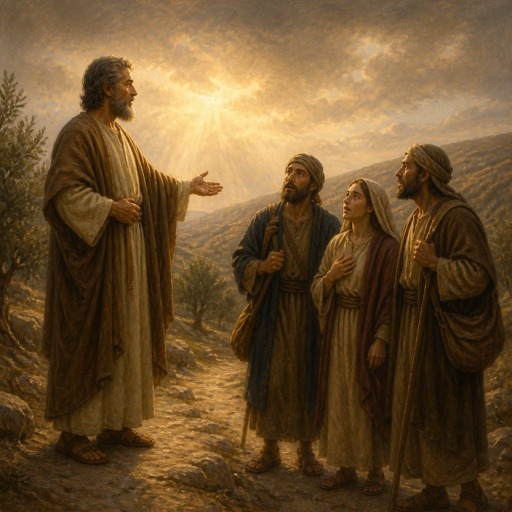
"But Esaias is very bold, and saith, I was found of them that sought me not; I was made manifest unto them that asked not after me." - Romans 10:20

Romans 10

Romans 10:17

Romans 10:17

Romans 10:17

Romans 10:17

Romans 10:17

Romans 10:17

Romans 10:17

Romans 10:14

Romans 10:17

Romans 10:9

Romans 10:9

Romans 10:13-15

Romans 10:10 - "For with the heart man believeth unto righteousness; and with the mouth confession is made unto salvation."

Romans 3:10 - "As it is written, There is none righteous, no, not one:"

Romans 6:20 - "For when ye were the servants of sin, ye were free from righteousness."

Romans 2:20 - "An instructor of the foolish, a teacher of babes, which hast the form of knowledge and of the truth in the law."

Romans 7:20 - "Now if I do that I would not, it is no more I that do it, but sin that dwelleth in me."

Romans 3:20 - "Therefore by the deeds of the law there shall no flesh be justified in his sight: for by the law is the knowledge of sin."

Romans 11:20 - "Well; because of unbelief they were broken off, and thou standest by faith. Be not highminded, but fear:"

Romans 4:20 - "He staggered not at the promise of God through unbelief; but was strong in faith, giving glory to God;"

Romans 10:4 - "For Christ is the end of the law for righteousness to every one that believeth."

Romans 10:11 - "For the scripture saith, Whosoever believeth on him shall not be ashamed."

Romans 10:17 - "So then faith cometh by hearing, and hearing by the word of God."

Romans 7:10 - "And the commandment, which was ordained to life, I found to be unto death."

Romans 10:13 - "For whosoever shall call upon the name of the Lord shall be saved."

Romans 15:10 - "And again he saith, Rejoice, ye Gentiles, with his people."

Romans 8:20 - "For the creature was made subject to vanity, not willingly, but by reason of him who hath subjected the same in hope,"