What does Romans 11:19-20 mean?
“Thou wilt say then, The branches were broken off, that I might be graffed in. Well; because of unbelief they were broken off, and thou standest by faith. Be not highminded, but fear:” — Romans 11:19-20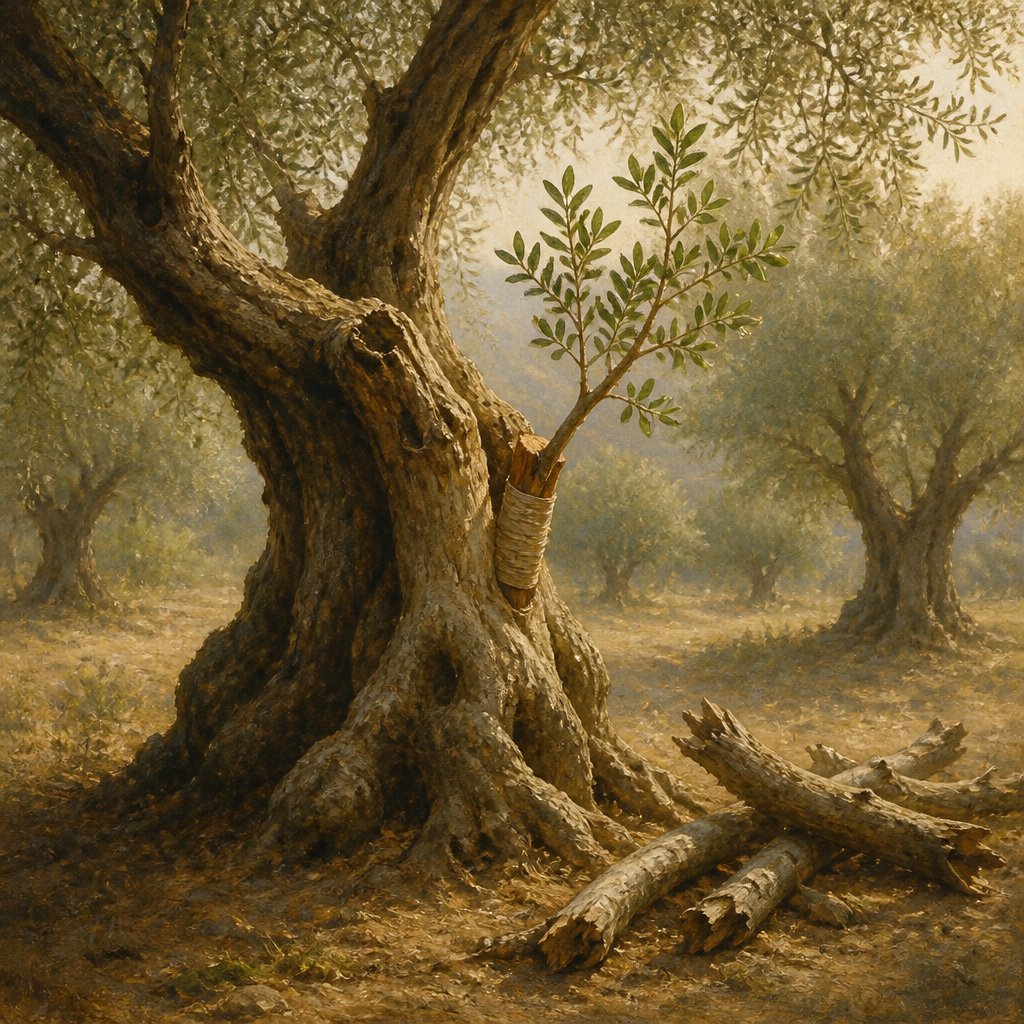
Romans 11:19-20 in the King James Version of the Bible states, "Thou wilt say then, The branches were broken off, that I might be graffed in. Well; because of unbelief they were broken off, and thou standest by faith. Be not highminded, but fear."
This passage from the book of Romans, written by the apostle Paul, is part of a larger discussion on the relationship between the Jewish people and the Gentiles in the context of salvation. In this particular section, Paul uses the metaphor of an olive tree to illustrate God's plan for both the Jews and the Gentiles.
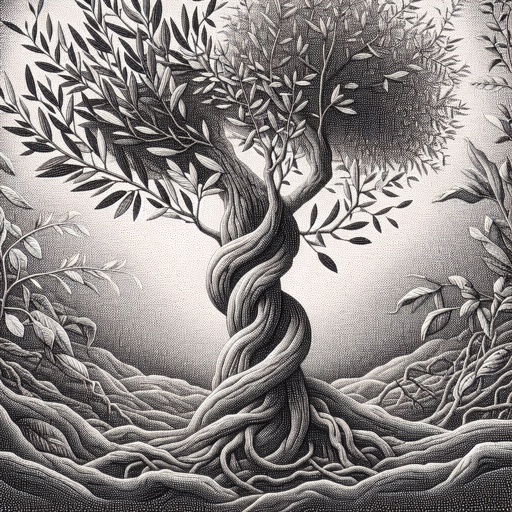
The imagery of the olive tree is significant in the biblical context. In the Old Testament, Israel is often symbolized as an olive tree, representing God's chosen people. In this passage, Paul explains that some branches of the olive tree (the Jews) have been broken off due to their unbelief, while the Gentiles have been grafted into the tree through faith in Jesus Christ.
The passage begins with the hypothetical response of someone who might question why the branches (Jews) were broken off from the tree to make way for the Gentiles. This reflects the tension and misunderstanding that existed between the Jewish and Gentile believers in the early Christian church. Paul's response is twofold: first, he explains that the branches were broken off because of unbelief, emphasizing the importance of faith in God's plan of salvation. The Jewish people, who had been chosen by God, were now being excluded because of their rejection of Jesus as the Messiah.
The second part of Paul's response is a warning to the Gentile believers. He admonishes them not to become arrogant or prideful about their position in the olive tree. Instead, he urges them to have a healthy fear of God. This serves as a caution against the Gentiles looking down on the Jews or thinking themselves superior because they have been grafted into the tree. Paul reminds them that their standing in the tree is solely based on faith, and they should not forget that it is by God's grace alone that they have been included.
This passage touches on several important theological themes. Firstly, it emphasizes the role of faith in salvation. Both the Jews and the Gentiles are part of God's plan, but their inclusion is contingent on their belief in Christ. Paul is clear that it is not through their own merit or ethnicity that they are part of the olive tree, but by their faith. This underscores the universal nature of salvation, open to all who believe, regardless of their background.
Secondly, the passage addresses the issue of pride and humility. Paul warns against the Gentile believers becoming arrogant or boastful about their place in the tree. This is a reminder that salvation is based on grace, not on any inherent superiority or worthiness. The Gentiles are urged to remain humble and to remember that their inclusion is a result of God's mercy.
In terms of context, the book of Romans was written by Paul to the predominantly Gentile church in Rome. The issues of Jewish-Gentile relations and the place of the Jews in God's plan were pertinent to the early Christian community. Paul's teachings in this passage were aimed at fostering unity and understanding between the Jewish and Gentile believers, and at correcting any sense of entitlement or pride that the Gentiles might have developed.
Symbolically, the olive tree represents God's covenant and his plan of redemption. The breaking off of the Jewish branches and the grafting in of the Gentiles illustrate the divine economy of salvation. The emphasis on faith as the basis for inclusion in the tree underscores the importance of personal relationship with God. The caution against pride serves as a reminder that salvation is a gift from God, and that no one should boast in their own accomplishments.
In conclusion, Romans 11:19-20 carries significant theological weight, addressing the themes of faith, humility, and God's redemptive plan. It offers a powerful message about the nature of salvation and the need for humility and gratitude in response to God's grace. As relevant today as it was in the first century, this passage continues to speak to believers about the foundational principles of their faith.
Get our apps


Artwork for Romans 11:19-20

Romans 11:19-20 - "You will say then, “Branches were broken off that I might be grafted in.” Well said. Because of unbelief they were broken off, and you stand by faith. Do not be haughty, but fear."
"You will say then, “Branches were broken off that I might be grafted in.” Well said. Because of unbelief they were broken off, and you stand by faith. Do not be haughty, but fear." - Romans 11:19-20

Romans 11:19 - "Thou wilt say then, The branches were broken off, that I might be graffed in."

Romans 11:20 - "Well; because of unbelief they were broken off, and thou standest by faith. Be not highminded, but fear:"
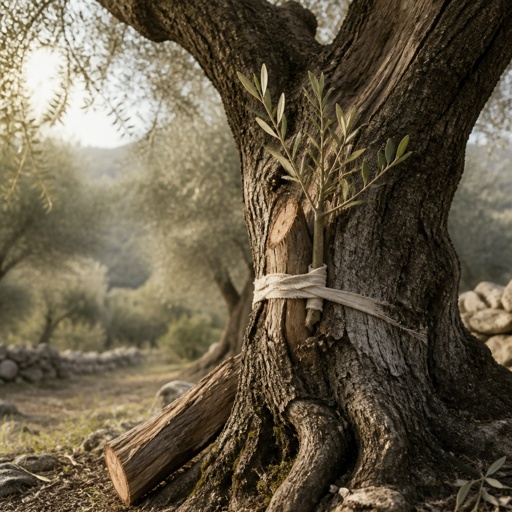
"Thou wilt say then, The branches were broken off, that I might be graffed in." - Romans 11:19
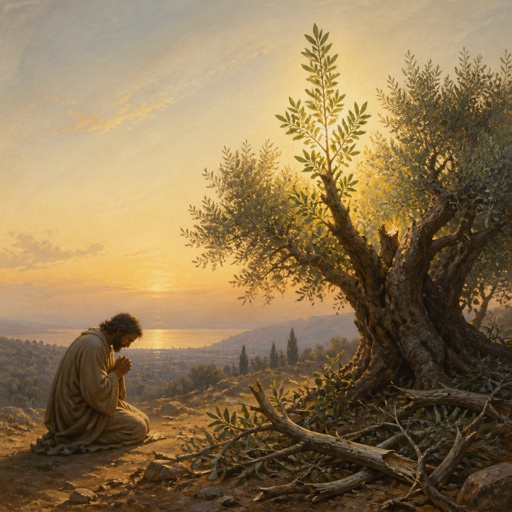
"Well; because of unbelief they were broken off, and thou standest by faith. Be not highminded, but fear:" - Romans 11:20

Romans 11:11

Romans 7:19

Romans 8:19

Romans 5:19

Romans 8:19

Romans 5:19

Romans 11:18
Romans 11:18

Romans 11:18

Romans 11:18

Romans 11:18

Romans 11:18
Romans 11:18

Romans 8:11

Romans 5: 1-11

Romans 11:25-32

Exodus 27:19-20

Romans 2:11 - "For there is no respect of persons with God."

Romans 5: 1-11

Romans 8:19 - "For the earnest expectation of the creature waiteth for the manifestation of the sons of God."

Romans 11:29 - "For the gifts and calling of God are without repentance."

Romans 6:20 - "For when ye were the servants of sin, ye were free from righteousness."

Romans 2:20 - "An instructor of the foolish, a teacher of babes, which hast the form of knowledge and of the truth in the law."

Romans 3:11 - "There is none that understandeth, there is none that seeketh after God."