What does Romans 11:2 mean?
“God hath not cast away his people which he foreknew. Wot ye not what the scripture saith of Elias? how he maketh intercession to God against Israel, saying,” — Romans 11:2
Romans 11:2 (KJV) says, "God hath not cast away his people which he foreknew. Wot ye not what the scripture saith of Elias? how he maketh intercession to God against Israel, saying."
This verse is part of the larger context of Romans 9-11, where the apostle Paul addresses the issue of Israel's unbelief and God's faithfulness. In Romans 11, Paul begins by asking the question, "Hath God cast away his people?" and then provides the answer in verse 2.
The verse begins with the assurance that God has not cast away his people whom he foreknew. This points to the overarching theme of God's faithfulness and the fulfillment of his promises. In the Old Testament, God made a covenant with the people of Israel, and despite their disobedience and unbelief, God remains true to his word. This reaffirms the idea that God's promises are irrevocable, and he will not abandon his chosen people.
The mention of Elias (Elijah) in this verse serves as a reminder of God's mercy and grace. In the time of Elijah, the Israelites had turned away from God and worshipped Baal. But even in the midst of their rebellion, God remained faithful to his people. Elias' intercession to God against Israel reflects the compassion and mercy of God, who is willing to forgive and restore his people.
The context of this verse also addresses the issue of Israel's unbelief and rejection of the gospel. Paul acknowledges that the majority of Israel had not accepted Jesus as the Messiah, but he also emphasizes that this does not mean God has rejected them entirely. Instead, he highlights the concept of remnant, a small portion of Israel that remains faithful to God. This remnant represents those who have accepted Jesus as the Savior, and they are evidence of God's ongoing relationship with Israel.
Symbolism plays a significant role in this verse, particularly in the mention of Elias. Elijah is a significant figure in the Old Testament, known for his faithfulness and his unwavering dedication to God. His intercession on behalf of Israel symbolizes the role of a mediator between God and his people. Through his prayers, Elijah sought reconciliation between the Israelites and God, reflecting the compassionate nature of God.
The themes of God's faithfulness, mercy, and the remnant are present throughout this verse. God's faithfulness is unwavering, and he will not abandon his people. His mercy is evident in his willingness to forgive and restore those who have turned away from him. The concept of the remnant serves as a reminder that God's plan is ongoing, and there are still those who remain faithful to him.
In conclusion, Romans 11:2 provides a powerful reassurance of God's faithfulness and his ongoing relationship with his people. It serves as a reminder of God's mercy and the concept of the remnant, as well as the role of Elijah as a mediator. This verse emphasizes the unchanging nature of God and his commitment to his promises, reflecting the overarching themes of faithfulness and restoration.
Get our apps


Artwork for Romans 11:2

Romans 11:2 - "God hath not cast away his people which he foreknew. Wot ye not what the scripture saith of Elias? how he maketh intercession to God against Israel, saying,"
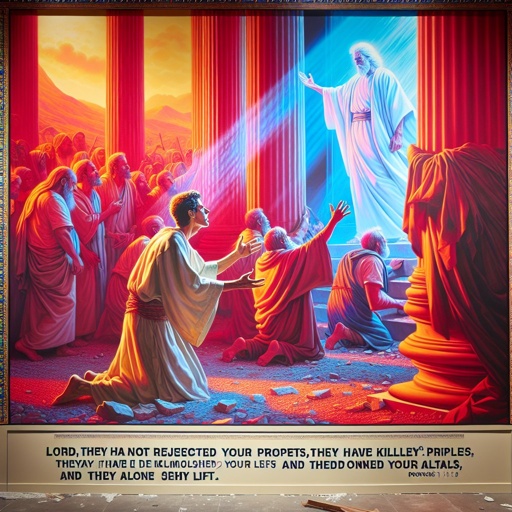
Romans 11:2-3 - "God has not rejected his people whom he foreknew. Do you not know what the Scripture says of Elijah, how he appeals to God against Israel? "Lord, they have killed your prophets, they have demolished your altars, and I alone am left, and they seek my life.""

"God hath not cast away his people which he foreknew. Wot ye not what the scripture saith of Elias? how he maketh intercession to God against Israel, saying," - Romans 11:2
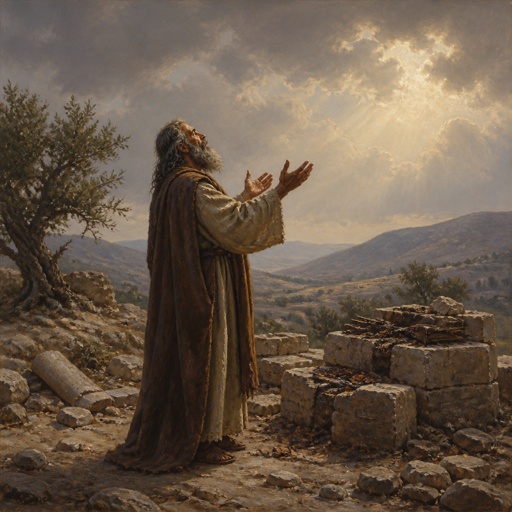
"God has not rejected his people whom he foreknew. Do you not know what the Scripture says of Elijah, how he appeals to God against Israel? "Lord, they have killed your prophets, they have demolished your altars, and I alone am left, and they seek my life."" - Romans 11:2-3

Romans 2:11 - "For there is no respect of persons with God."

"For there is no respect of persons with God." - Romans 2:11

Romans 11:11

Romans 11:18
Romans 11:18

Romans 11:18

Romans 11:18

Romans 11:18

Romans 11:18

Romans 11:18

Romans 8:11

Romans 5: 1-11

Romans 11:25-32

Romans 5: 1-11

Romans 11:29 - "For the gifts and calling of God are without repentance."

Romans 3:11 - "There is none that understandeth, there is none that seeketh after God."

Romans 12:11 - "Not slothful in business; fervent in spirit; serving the Lord;"

Romans 10:11 - "For the scripture saith, Whosoever believeth on him shall not be ashamed."

Romans 12:2

Romans 12:2

Romans 12:2

Romans 12:2

Romans 12:2

Romans 12:2

Romans 12:2

Romans 7:11 - "For sin, taking occasion by the commandment, deceived me, and by it slew me."