What does Romans 11:27 mean?
“For this is my covenant unto them, when I shall take away their sins.” — Romans 11:27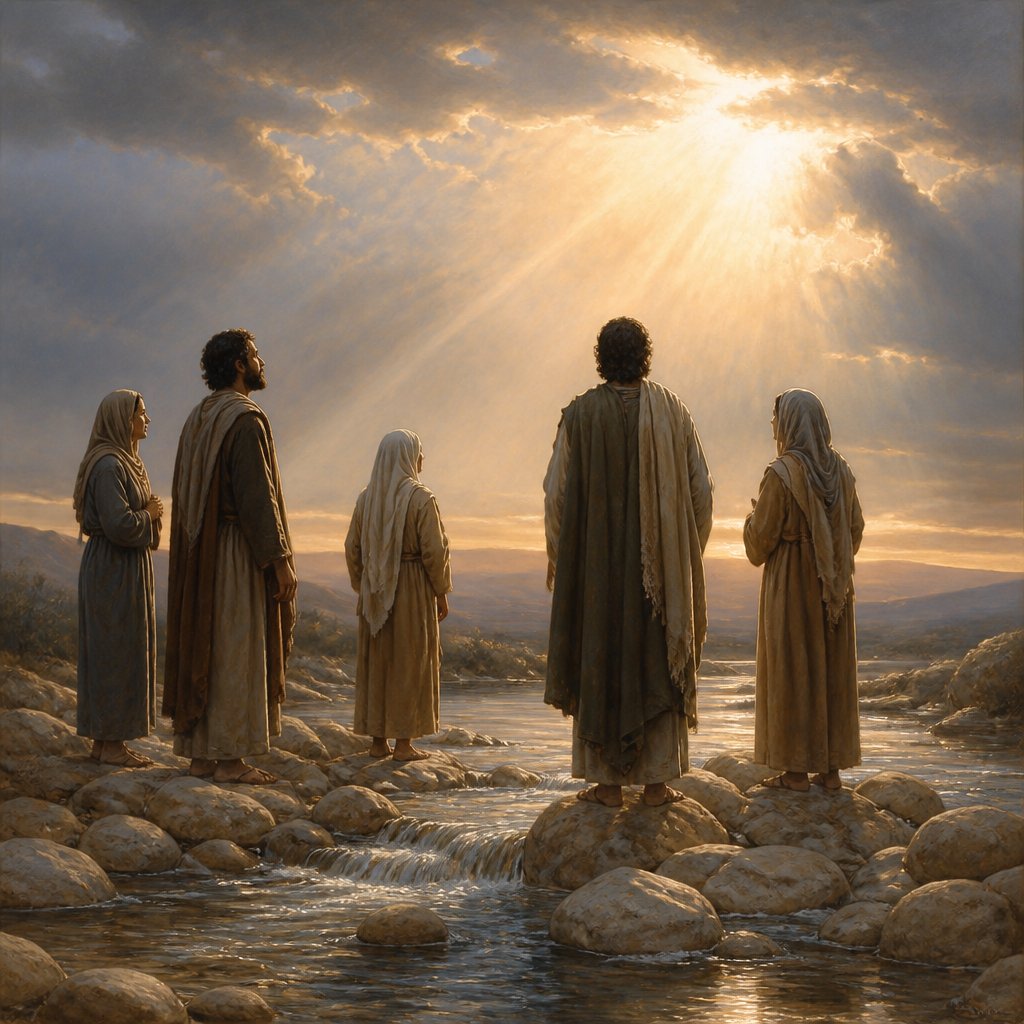
Romans 11:27 (KJV) reads, "For this is my covenant unto them, when I shall take away their sins." This verse is a part of a larger passage in the Book of Romans in the New Testament. In order to understand the full context and significance of this verse, it is important to examine the themes, historical context, and symbolism within the passage as a whole.
The overarching theme of Romans 11 is the salvation of both Gentiles and Jews through faith in Jesus Christ. The apostle Paul, the author of Romans, emphasizes that God has not rejected His chosen people, the Jews, despite their continued disobedience and rejection of Jesus as the Messiah. Instead, Paul explains that God's plan for salvation includes both Jews and Gentiles, and that in the end, all Israel will be saved.
In Romans 11:27, Paul is quoting from the Old Testament prophet Isaiah, specifically from Isaiah 59:20-21 and Isaiah 27:9. This verse emphasizes the fulfillment of God's covenant with the people of Israel, promising to take away their sins. It reinforces the notion that God's plan for salvation includes the restoration and redemption of the Jewish people.
The use of the word "covenant" in this verse is significant, as it underscores the unbreakable promise that God has made to His people. Throughout the Bible, the concept of covenant is central to God's relationship with humanity. In the Old Testament, God made covenants with figures such as Noah, Abraham, and Moses, and these covenants established God's faithfulness and commitment to His people. In the New Testament, the covenant is fulfilled through the sacrificial death and resurrection of Jesus Christ, offering salvation to all who believe.
The phrase "when I shall take away their sins" points to the ultimate act of redemption through the forgiveness of sins. This concept is a core tenet of the Christian faith, highlighting the belief that Jesus' atoning sacrifice on the cross provides the means for humanity to be reconciled with God. The removal of sin is symbolic of the cleansing and purification that occurs through the grace of God, restoring the broken relationship between humanity and God.
In the broader historical context, Romans 11:27 reflects the tension and division between Jews and Gentiles in the early Christian church. Paul addresses the Gentile Christians in Rome, cautioning them against pride and arrogance towards the Jewish people. He reminds them that the root of their faith is in the Jewish heritage, and they should not boast over the branches (referring to the Jewish people) that have been broken off due to unbelief. Instead, Paul encourages unity and mutual respect between Jews and Gentiles, emphasizing that both are part of God's redemptive plan.
Symbolically, Romans 11:27 represents the hope and assurance of God's faithfulness to His covenant promises. It foreshadows the future reconciliation and restoration of Israel, as well as the salvation of all who believe in Jesus Christ. The verse also serves as a reminder of the transformative power of God's grace, as He removes the burden of sin and offers the gift of eternal life.
In conclusion, Romans 11:27 carries profound theological implications within the larger narrative of Romans 11. It encapsulates the themes of covenant, redemption, and reconciliation, and underscores the universal scope of God's plan for salvation. This verse is a testament to the unchanging nature of God's promises and His relentless pursuit of humanity, ultimately culminating in the removal of sin and the restoration of all who believe in Him.
Get our apps


Artwork for Romans 11:27

Romans 11:27 - "For this is my covenant unto them, when I shall take away their sins."
"For this is my covenant unto them, when I shall take away their sins." - Romans 11:27

Romans 11:11

Romans 11:18
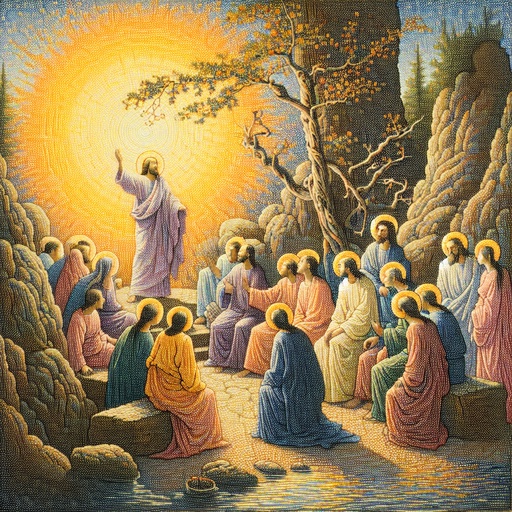
Romans 11:18

Romans 11:18

Romans 11:18

Romans 11:18

Romans 11:18

Romans 11:18

Romans 8:11

Romans 3:27 - "Where is boasting then? It is excluded. By what law? of works? Nay: but by the law of faith."

Romans 16:27 - "To God only wise, be glory through Jesus Christ for ever. Amen."

Romans 5: 1-11

Romans 11:25-32

Romans 2:11 - "For there is no respect of persons with God."

Romans 5: 1-11

Romans 11:29 - "For the gifts and calling of God are without repentance."
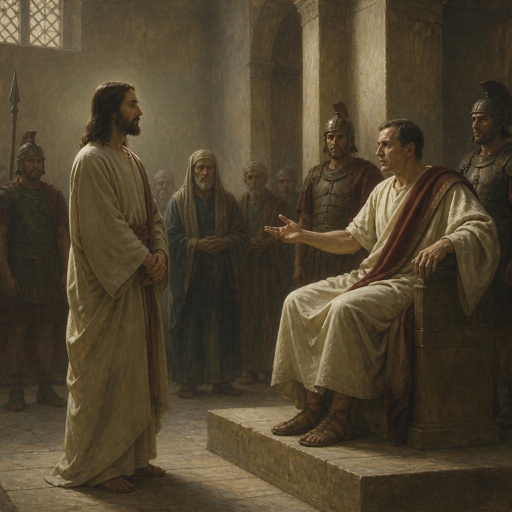
"And Jesus stood before the governor: and the governor asked him, saying, Art thou the King of the Jews? And Jesus said unto him, Thou sayest." - Matthew 27:11

Romans 8:27 - "And he that searcheth the hearts knoweth what is the mind of the Spirit, because he maketh intercession for the saints according to the will of God."

Romans 9:27 - "Esaias also crieth concerning Israel, Though the number of the children of Israel be as the sand of the sea, a remnant shall be saved:"

Romans 2:27 - "And shall not uncircumcision which is by nature, if it fulfil the law, judge thee, who by the letter and circumcision dost transgress the law?"

Romans 3:11 - "There is none that understandeth, there is none that seeketh after God."

Romans 12:11 - "Not slothful in business; fervent in spirit; serving the Lord;"

Romans 10:11 - "For the scripture saith, Whosoever believeth on him shall not be ashamed."

"For there is no respect of persons with God." - Romans 2:11

Romans 7:11 - "For sin, taking occasion by the commandment, deceived me, and by it slew me."

"Nevertheless the centurion believed the master and the owner of the ship, more than those things which were spoken by Paul." - Acts 27:11

Romans 11:10 - "Let their eyes be darkened, that they may not see, and bow down their back alway."

Romans 11:16 - "For if the firstfruit be holy, the lump is also holy: and if the root be holy, so are the branches."