What does Romans 11:30 mean?
“For as ye in times past have not believed God, yet have now obtained mercy through their unbelief:” — Romans 11:30
Romans 11:30 in the King James Version of the Bible states, "For as ye in times past have not believed God, yet have now obtained mercy through their unbelief."
This verse is part of a larger section of the book of Romans where the apostle Paul is discussing the relationship between the Jews and the Gentiles in God's plan of salvation. In the preceding verses, Paul explains that the rejection of Jesus by the Jews has resulted in the acceptance of the Gentiles, and he emphasizes the need for humility and gratitude in light of this reality.
The verse begins with the word "For," which indicates that Paul is providing a reason or explanation for something he has already stated. In this case, he is referring to the mercy that the Gentiles have received as a result of the unbelief of the Jews. This highlights the grace and sovereignty of God, who works through the disobedience of one group to bring salvation to another.
The phrase "in times past" refers to the period before the Gentiles came to faith in Christ. During this time, they did not believe in God, and as a result, they were separated from Him and His mercy. However, through the rejection of Jesus by the Jews, the Gentiles have now obtained mercy. This reflects the inclusive nature of God's salvation, which is available to all who believe, regardless of their past unbelief or disobedience.
The mention of "their unbelief" is significant because it emphasizes the role of the Jews in the unfolding of God's plan. Their rejection of Jesus was a stumbling block, but it ultimately led to the spread of the gospel among the Gentiles. This serves as a reminder that God can use even the most unlikely circumstances to bring about His purposes, and it underscores the interconnectedness of the Jewish and Gentile believers in the body of Christ.
One of the key themes of this verse is the mercy of God. The apostle Paul is emphasizing the fact that the Gentiles have received mercy despite their past unbelief. This highlights the unconditional love and grace of God, who offers forgiveness and reconciliation to all who turn to Him in faith. It also serves as a reminder to believers to be grateful for the mercy they have received and to extend that same mercy to others.
Another important theme is the sovereignty of God. Paul makes it clear that the rejection of Jesus by the Jews was part of God's plan to bring salvation to the Gentiles. This speaks to the overarching purpose and power of God, who is able to work all things together for the good of those who love Him (Romans 8:28). It also underscores the unity of God's people, both Jews and Gentiles, who are united in their need for mercy and their reliance on God's grace.
In terms of symbolism, this verse can be seen as representing the wider biblical narrative of God's redemptive plan for humanity. The Jews and Gentiles serve as archetypes for all people, illustrating the universal need for mercy and the inclusive nature of God's salvation. The rejection of Jesus by the Jews and the subsequent acceptance of the Gentiles symbolize the rejection and acceptance of Christ by all people, highlighting the transformative power of faith and the boundless mercy of God.
In conclusion, Romans 11:30 is a profound and thought-provoking verse that speaks to the mercy and sovereignty of God, as well as the interconnectedness of His people. It serves as a reminder of the inclusive nature of God's salvation and the need for humility and gratitude in response to His grace. This verse encourages believers to reflect on the mercy they have received and to extend that same mercy to others, while also reminding them of the overarching purpose and power of God in the unfolding of His redemptive plan.
Get our apps


Artwork for Romans 11:30

Romans 11:30 - "For as ye in times past have not believed God, yet have now obtained mercy through their unbelief:"

"For as ye in times past have not believed God, yet have now obtained mercy through their unbelief:" - Romans 11:30

Romans 11:11

Romans 11:18
Romans 11:18

Romans 11:18

Romans 11:18

Romans 11:18

Romans 11:18

Romans 11:18

Romans 8:11

Romans 3:30 - "Seeing it is one God, which shall justify the circumcision by faith, and uncircumcision through faith."

Romans 1:30 - "Backbiters, haters of God, despiteful, proud, boasters, inventors of evil things, disobedient to parents,"

Romans 5: 1-11

Romans 11:25-32

Romans 2:11 - "For there is no respect of persons with God."

Romans 5: 1-11

Romans 11:29 - "For the gifts and calling of God are without repentance."

Psalm 30:11
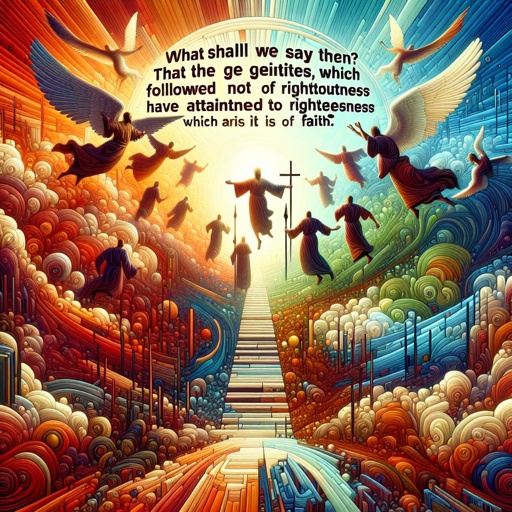
Romans 9:30 - "What shall we say then? That the Gentiles, which followed not after righteousness, have attained to righteousness, even the righteousness which is of faith."

Romans 3:11 - "There is none that understandeth, there is none that seeketh after God."

Romans 12:11 - "Not slothful in business; fervent in spirit; serving the Lord;"

Genesis 30:10-11

Romans 10:11 - "For the scripture saith, Whosoever believeth on him shall not be ashamed."

"For there is no respect of persons with God." - Romans 2:11

Romans 7:11 - "For sin, taking occasion by the commandment, deceived me, and by it slew me."
Romans 15:30 - "Now I beseech you, brethren, for the Lord Jesus Christ's sake, and for the love of the Spirit, that ye strive together with me in your prayers to God for me;"

Exodus 30:11 - "¶ And the LORD spake unto Moses, saying,"

Genesis 11:30 - "But Sarai was barren; she had no child."

Leviticus 11:30 - "And the ferret, and the chameleon, and the lizard, and the snail, and the mole."