What does Romans 11:32 mean?
“For God hath concluded them all in unbelief, that he might have mercy upon all.” — Romans 11:32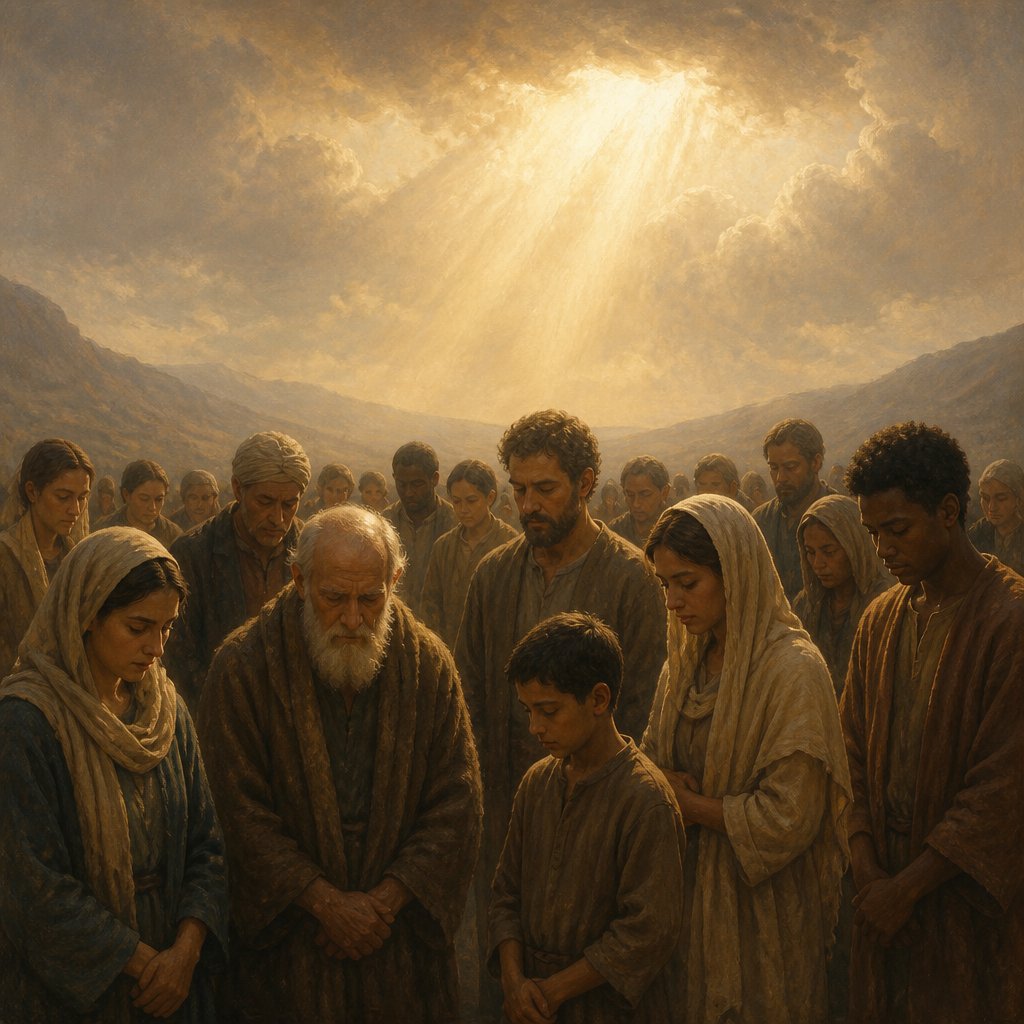
Romans 11:32 (KJV) states:
"For God hath concluded them all in unbelief, that he might have mercy upon all."
This verse comes at the end of a passage where the apostle Paul discusses the unbelief of the Jews and the Gentiles. In the preceding verses, Paul talks about how the Jews stumbled in their unbelief, but this allowed the Gentiles to receive salvation. In Romans 11:30-31 (KJV), he writes, "For as ye in times past have not believed God, yet have now obtained mercy through their unbelief: Even so have these also now not believed, that through your mercy they also may obtain mercy."
In Romans 11:32, Paul is emphasizing the universality of God's plan for salvation. He shows that both Jews and Gentiles are included in God's redemptive work, and that no one group has a monopoly on unbelief or on God's mercy. Paul's use of the word "concluded" in this verse is significant in that it conveys the idea of being shut up together or confined in unbelief. It emphasizes the universality of sin and the need for God's mercy for all.
The theme of God's mercy is central to this verse. Paul is pointing out that despite the unbelief of both Jews and Gentiles, God's ultimate goal is to show mercy to all. This emphasizes the inclusive nature of God's salvation, which is available to all people, regardless of their background or previous actions.
The context of this verse is important in understanding its meaning. Paul is writing to the Roman church, a diverse community that included both Jewish and Gentile believers. The issue of the relationship between these two groups was a major concern in the early church, and Paul addresses it throughout the book of Romans. In this passage, Paul is addressing the Jewish rejection of Jesus as the Messiah and the resulting inclusion of the Gentiles in God's plan for salvation.
The symbolism in this verse is also rich. The image of being "concluded...in unbelief" speaks to the universal nature of sin and the human condition. It highlights the fact that all people, regardless of their background, are in need of God's mercy. The idea that God "might have mercy upon all" emphasizes the limitless nature of God's grace and the all-encompassing nature of His salvation.
Overall, Romans 11:32 (KJV) is a powerful reminder of the depth and breadth of God's mercy. It emphasizes the inclusive nature of God's plan for salvation and the universal need for His grace. In a world marked by division and exclusivity, this verse reminds us that God's mercy is available to all people, and that no one is beyond the reach of His love. It is a message of hope and consolation for believers, and a call to embrace and extend the same mercy and grace to others.
Get our apps


Artwork for Romans 11:32

Romans 11:32 - "For God hath concluded them all in unbelief, that he might have mercy upon all."
"For God hath concluded them all in unbelief, that he might have mercy upon all." - Romans 11:32

Romans 11:25-32

Romans 11:11

Romans 9:32 - "Wherefore? Because they sought it not by faith, but as it were by the works of the law. For they stumbled at that stumblingstone;"

Romans 15:32 - "That I may come unto you with joy by the will of God, and may with you be refreshed."

Romans 11:18
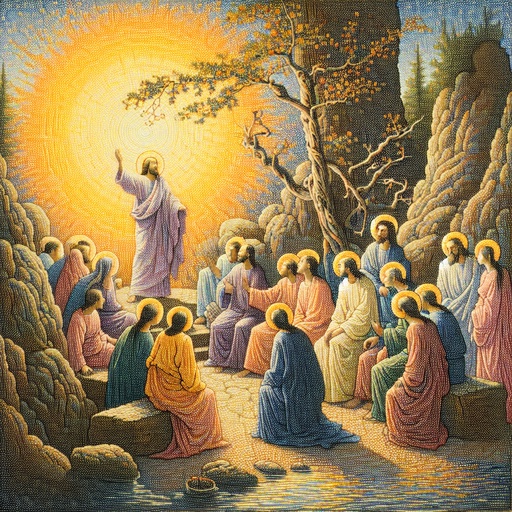
Romans 11:18

Romans 11:18

Romans 11:18

Romans 11:18

Romans 11:18

Romans 11:18

Romans 8:11

Romans 5: 1-11

Romans 2:11 - "For there is no respect of persons with God."

Romans 5: 1-11

Nehemiah 11:32 - "And at Anathoth, Nob, Ananiah,"

Romans 1:32 - "Who knowing the judgment of God, that they which commit such things are worthy of death, not only do the same, but have pleasure in them that do them."

Luke 15:11-32

Romans 11:29 - "For the gifts and calling of God are without repentance."

Romans 3:11 - "There is none that understandeth, there is none that seeketh after God."

Romans 12:11 - "Not slothful in business; fervent in spirit; serving the Lord;"

1 Kings 11:29-32

"He that spared not his own Son, but delivered him up for us all, how shall he not with him also freely give us all things?" - Romans 8:32

Romans 8:32 - "He that spared not his own Son, but delivered him up for us all, how shall he not with him also freely give us all things?"
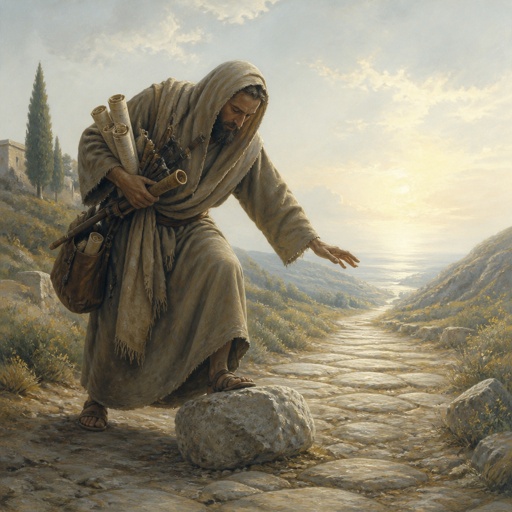
"Wherefore? Because they sought it not by faith, but as it were by the works of the law. For they stumbled at that stumblingstone;" - Romans 9:32

1 Chronicles 11:32 - "Hurai of the brooks of Gaash, Abiel the Arbathite,"

Romans 10:11 - "For the scripture saith, Whosoever believeth on him shall not be ashamed."

"For there is no respect of persons with God." - Romans 2:11