What does Romans 11:7 mean?
“What then? Israel hath not obtained that which he seeketh for; but the election hath obtained it, and the rest were blinded” — Romans 11:7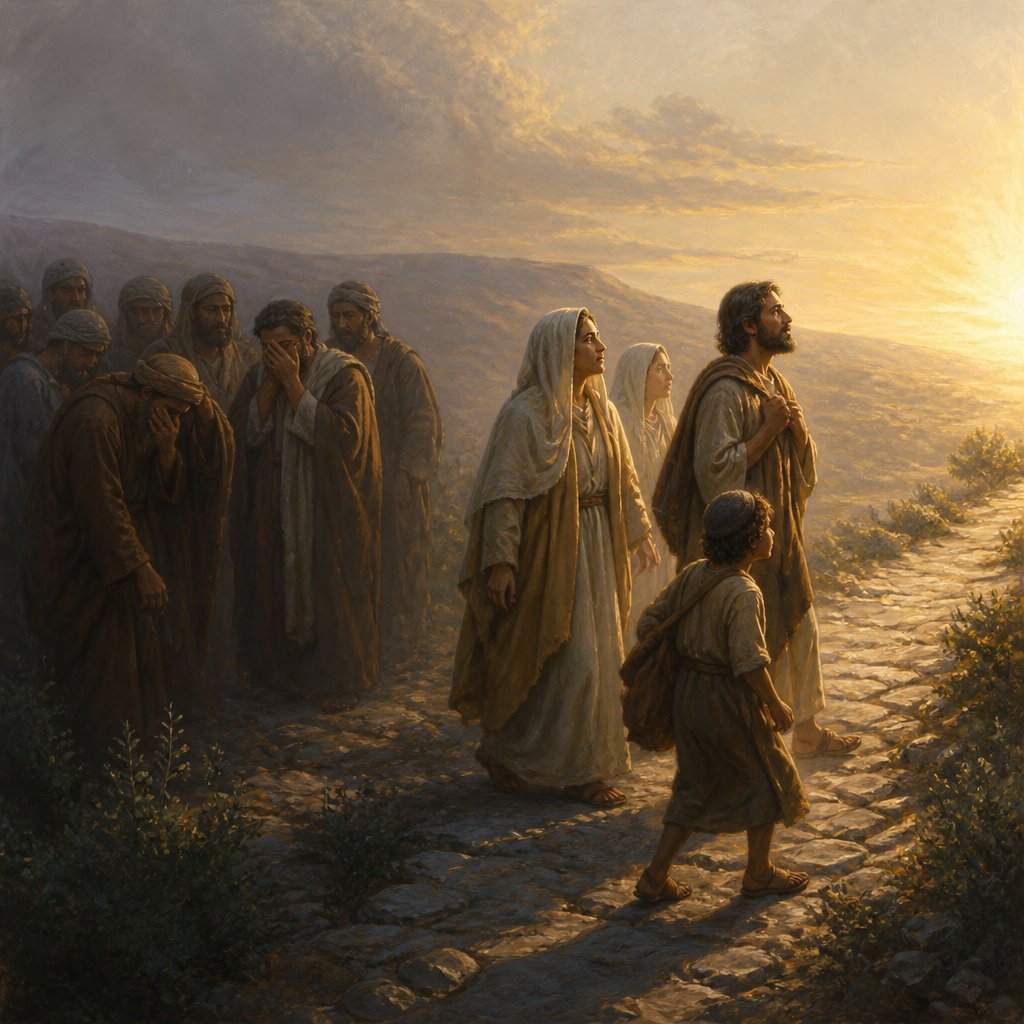
Romans 11:7 (KJV) states, "What then? Israel hath not obtained that which he seeketh for; but the election hath obtained it, and the rest were blinded."
This verse from the Book of Romans is part of a larger passage that addresses the relationship between God and the nation of Israel. The Apostle Paul, the author of the Book of Romans, discusses God's faithfulness to His chosen people, the Jews, and the implications of their rejection of Jesus as the Messiah.
The verse begins with the question, "What then?" This question serves as a transition from the previous verses in which Paul discusses the hardening of Israel's hearts. He is asking, "What should we conclude from the current situation?"
The verse then states, "Israel hath not obtained that which he seeketh for." This indicates that Israel, as a whole, has failed to obtain what they were seeking. In the context of this passage, what they were seeking was righteousness or salvation, which they tried to achieve through their own efforts and adherence to the law. However, they failed to recognize and accept Jesus as the fulfillment of the law and the source of true righteousness.
The verse continues, "but the election hath obtained it." Here, "the election" refers to the remnant of Israel that has been chosen by God for salvation. This "election" does not refer to God's arbitrary selection of individuals for salvation, but rather to those within Israel who have responded in faith to God's call and have accepted Jesus as their Savior. They have obtained the righteousness and salvation that Israel as a whole has failed to attain.
The verse concludes with the statement, "and the rest were blinded." This refers to the majority of Israel who have rejected Jesus as the Messiah and have been spiritually blinded as a result. Their hearts have been hardened, and they are unable to see the truth of who Jesus is and what He offers.
One of the key themes in this passage is the sovereignty of God in salvation. The Apostle Paul is emphasizing that God's plan of salvation is not dependent on human effort or merit, but on His sovereign choice and grace. The fact that only a remnant of Israel has obtained salvation highlights the principle of God's elective grace, which is a recurring theme throughout the New Testament.
Another theme in this passage is the concept of spiritual blindness. The majority of Israel is described as being blinded to the truth of Jesus as the Messiah. This blindness is not physical, but spiritual, and it is a result of their unbelief and rejection of Jesus. This serves as a warning to all who hear the gospel, emphasizing the need for spiritual discernment and openness to the truth of God's word.
The context of this verse is important in understanding its significance. In the larger passage of Romans 9-11, Paul is addressing the relationship between God and the nation of Israel in light of their rejection of Jesus as the Messiah. He is also addressing the Gentile believers in Rome, urging them to understand the significance of Israel's unbelief and the implications for their own faith.
There is also a symbolic element to this verse. The contrast between "the election" who have obtained salvation and "the rest" who are blinded represents the spiritual divide between those who have embraced Jesus as the Messiah and those who have rejected Him. It serves as a reminder of the consequences of unbelief and the importance of responding to God's call with faith and obedience.
In conclusion, Romans 11:7 (KJV) addresses the spiritual condition of Israel in light of their rejection of Jesus as the Messiah. It emphasizes the sovereignty of God in salvation, the spiritual blindness that results from unbelief, and the significance of responding to God's call with faith. This verse serves as a reminder of the importance of recognizing and embracing the truth of Jesus Christ for salvation.
Get our apps


Artwork for Romans 11:7

Romans 11:7 - "What then? Israel hath not obtained that which he seeketh for; but the election hath obtained it, and the rest were blinded"
"What then? Israel hath not obtained that which he seeketh for; but the election hath obtained it, and the rest were blinded" - Romans 11:7

Romans 7:11 - "For sin, taking occasion by the commandment, deceived me, and by it slew me."
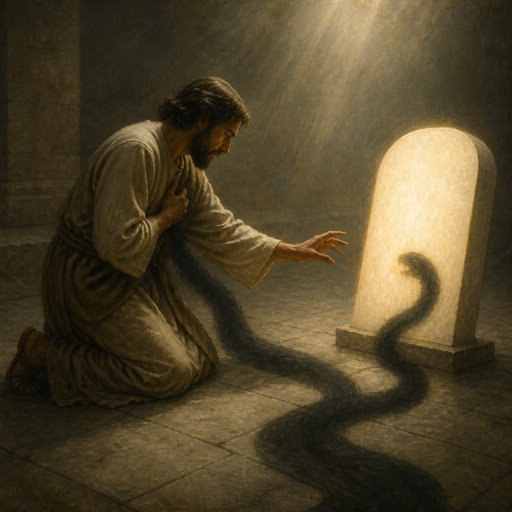
"For sin, taking occasion by the commandment, deceived me, and by it slew me." - Romans 7:11

Romans 11:11

Romans 11:18
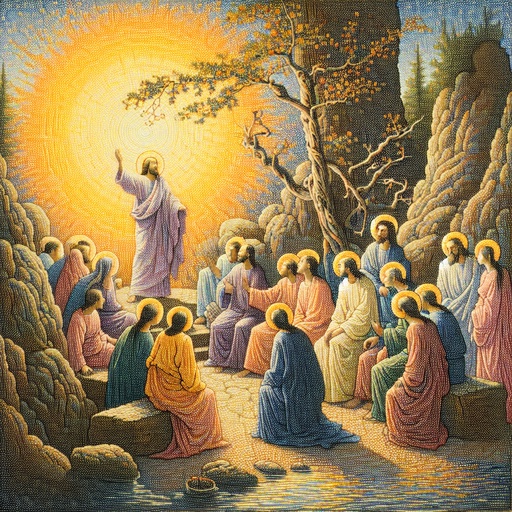
Romans 11:18

Romans 11:18

Romans 11:18

Romans 11:18

Romans 11:18

Romans 11:18

Romans 8:11

Romans 7:19

Romans 7:12

Romans 5: 1-11

Romans 11:25-32

Romans 2:11 - "For there is no respect of persons with God."

Romans 5: 1-11

Romans 11:29 - "For the gifts and calling of God are without repentance."

Romans 6:7 - "For he that is dead is freed from sin."

Romans 3:11 - "There is none that understandeth, there is none that seeketh after God."

Romans 12:11 - "Not slothful in business; fervent in spirit; serving the Lord;"

Romans 10:11 - "For the scripture saith, Whosoever believeth on him shall not be ashamed."

"For there is no respect of persons with God." - Romans 2:11

Romans 7:12 - "Wherefore the law is holy, and the commandment holy, and just, and good."

Romans 14:7 - "For none of us liveth to himself, and no man dieth to himself."

Romans 7:17 - "Now then it is no more I that do it, but sin that dwelleth in me."

Romans 7:22 - "For I delight in the law of God after the inward man:"

Romans 7:10 - "And the commandment, which was ordained to life, I found to be unto death."