What does Romans 14:2 mean?
“For one believeth that he may eat all things: another, who is weak, eateth herbs.” — Romans 14:2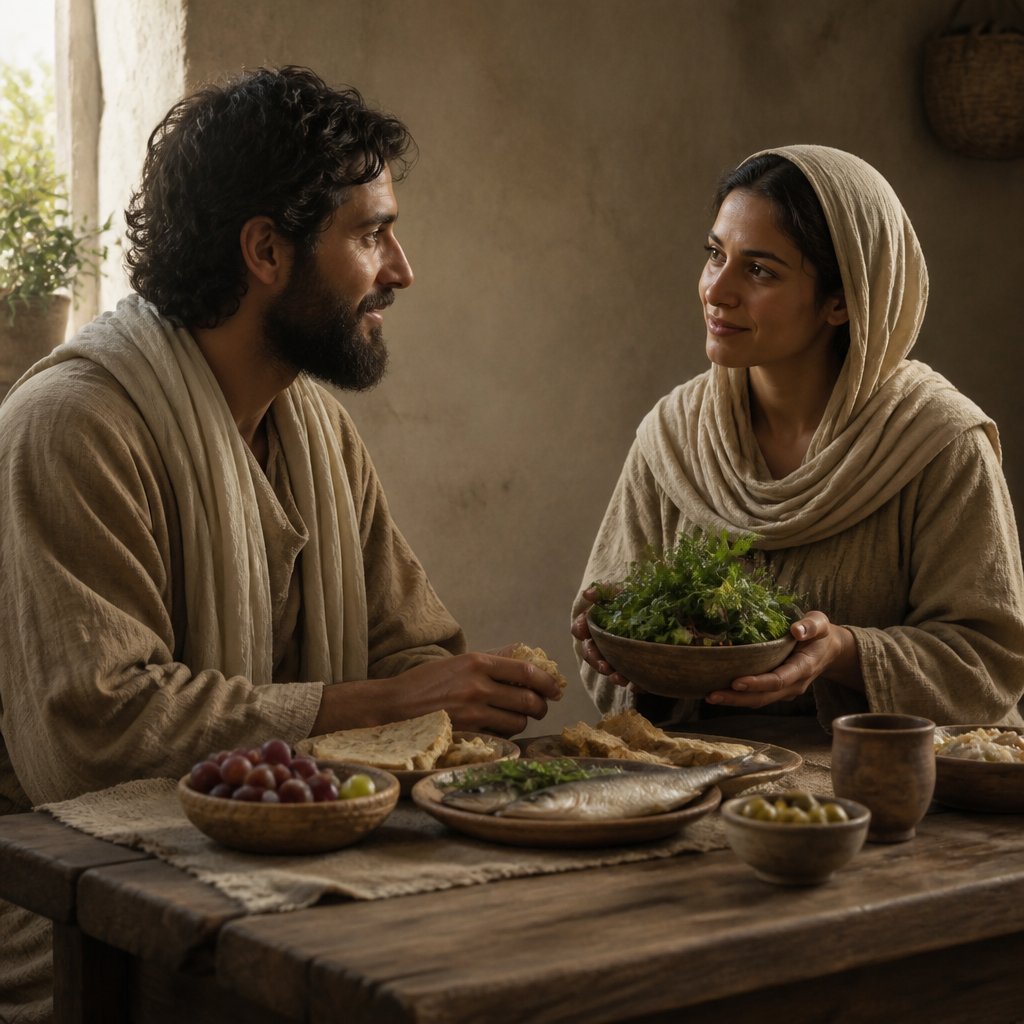
Romans 14:2 in the King James Version of the Bible reads, "For one believeth that he may eat all things: another, who is weak, eateth herbs." This verse is part of a larger passage in the book of Romans that deals with the issue of "doubtful disputations" and the importance of showing love and understanding towards those whose beliefs and practices differ from our own.
In this verse specifically, the apostle Paul addresses the issue of dietary differences among believers. Some Christians believed they were free to eat any type of food, while others, who are described as "weak," felt constrained to eat only herbs or vegetables. This dietary distinction had its roots in Jewish dietary laws, which forbade the consumption of certain "unclean" foods. These Jews who had converted to Christianity may have been struggling to reconcile their former beliefs with their newfound faith in Christ.
One of the overarching themes in this verse is the concept of Christian liberty and how it should be exercised in a way that does not cause stumbling for those who are weaker in their faith. Paul emphasizes that while believers have freedom in Christ, they must also be mindful of their actions and the effect they may have on others. This principle reflects the broader biblical teaching to love one's neighbor as oneself and to put the needs of others before our own.
The context of this verse is important in understanding its meaning. In the preceding verses, Paul urges the believers in Rome not to judge one another or despise those who hold different convictions. He emphasizes the need for mutual acceptance and understanding, regardless of differences in practice or belief. This call to unity and compassion is a central theme throughout the passage and reflects Paul's desire for the Roman Christians to live in harmony with one another.
The symbolism in this verse lies in the contrast between those who may have different convictions regarding dietary restrictions. The "strong" believers, who feel they have the freedom to eat all things, represent those who have a more mature understanding of their faith and the liberty they have in Christ. On the other hand, the "weak" believers, who feel constrained to eat only herbs, represent those who are still growing in their faith and may struggle with certain convictions or cultural baggage from their past.
Ultimately, this verse serves as a reminder for believers to be sensitive to the convictions of others and to refrain from judgment or causing offense. It challenges us to consider how our actions and choices may impact our fellow brothers and sisters in Christ. It also speaks to the importance of unity and love within the body of believers, despite differences in perspectives and practices.
In applying the principles from Romans 14:2 to our lives today, we are called to approach disagreements and differences with humility and grace. We are reminded to prioritize love and understanding in our interactions with others, especially those who may hold differing convictions. This verse challenges us to consider how we can exercise our Christian liberty in a way that edifies and supports our fellow believers, rather than causing division or stumbling blocks.
In conclusion, Romans 14:2 from the King James Version of the Bible expresses the need for Christians to show love and understanding towards those who may have differing beliefs or practices. It emphasizes the importance of exercising Christian liberty in a way that does not cause stumbling for others, and calls for unity and compassion within the body of Christ. This verse challenges believers to prioritize love and mutual acceptance, regardless of differences in conviction, and to approach disagreements with humility and grace.
Get our apps


Artwork for Romans 14:2

Romans 14:2 - "For one believeth that he may eat all things: another, who is weak, eateth herbs."
"For one believeth that he may eat all things: another, who is weak, eateth herbs." - Romans 14:2

Romans 2:14 - "For when the Gentiles, which have not the law, do by nature the things contained in the law, these, having not the law, are a law unto themselves:"

Romans 14:12

Romans 8:14

Romans 10:14

Romans 14:16 - "Let not then your good be evil spoken of:"

Romans 3:14 - "Whose mouth is full of cursing and bitterness:"

Romans 8:14 - "For as many as are led by the Spirit of God, they are the sons of God."

Romans 14:7 - "For none of us liveth to himself, and no man dieth to himself."

depict the theme of Romans 13:8-14

Romans 14:1 - "Him that is weak in the faith receive ye, but not to doubtful disputations."

Romans 12:14 - "Bless them which persecute you: bless, and curse not."

Romans 9:14 - "What shall we say then? Is there unrighteousness with God? God forbid."

Romans 14:18 - "For he that in these things serveth Christ is acceptable to God, and approved of men."

Romans 14:14 - "I know, and am persuaded by the Lord Jesus, that there is nothing unclean of itself: but to him that esteemeth any thing to be unclean, to him it is unclean."

Romans 14:12 - "So then every one of us shall give account of himself to God."

Romans 1:14 - "I am debtor both to the Greeks, and to the Barbarians; both to the wise, and to the unwise."

Romans 12:2

Romans 12:2

Romans 12:2

Romans 12:2

Romans 12:2

Romans 12:2

Romans 12:2

Romans 16:14 - "Salute Asyncritus, Phlegon, Hermas, Patrobas, Hermes, and the brethren which are with them."

Romans 14:17 - "For the kingdom of God is not meat and drink; but righteousness, and peace, and joy in the Holy Ghost."

Romans 12:2

Romans 12:2

Romans 12:2