What does Romans 14:20 mean?
“For meat destroy not the work of God. All things indeed are pure; but it is evil for that man who eateth with offence.” — Romans 14:20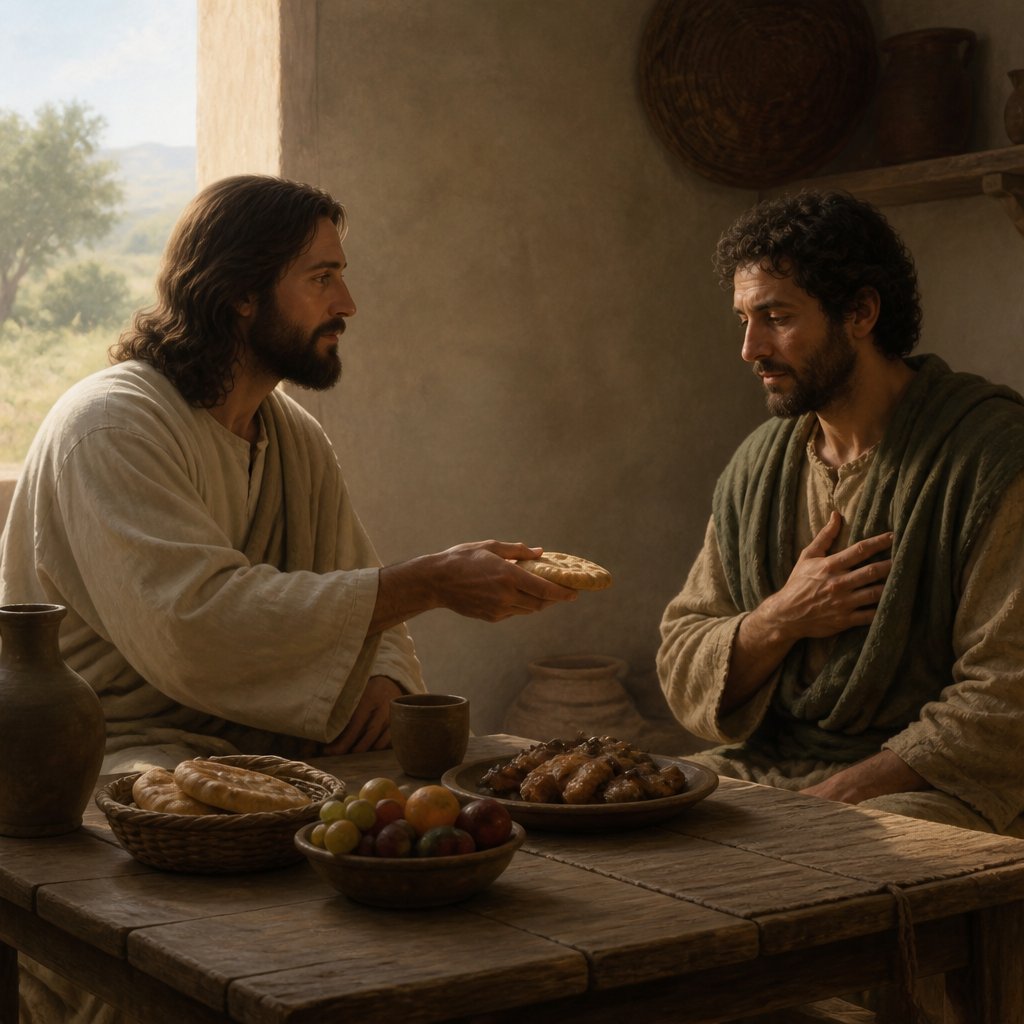
Romans 14:20 in the King James Version of the Bible states, "For meat destroy not the work of God. All things indeed are pure; but it is evil for that man who eateth with offence."
This verse is part of a larger passage in the book of Romans that deals with the issue of Christian liberty and how believers should interact with one another in matters of personal conviction and conscience. In this particular verse, the apostle Paul is addressing the issue of food and drink and how these can impact the Christian community.
The first part of the verse, "For meat destroy not the work of God," is a reminder to believers that they should not allow their personal preferences or convictions about food to cause harm or division within the body of Christ. This is an important principle for Christians to remember, especially in the context of the early church, where there were likely differences in dietary practices among believers from different cultural backgrounds.
The verse then goes on to affirm that "All things indeed are pure," indicating that in and of themselves, food and drink are not inherently sinful or unclean. This echoes a similar sentiment that Paul expresses in his first letter to the Corinthians, where he discusses the freedom that believers have to eat any food that is sold in the marketplace (1 Corinthians 10:25-26).
However, Paul also adds a caveat, stating "but it is evil for that man who eateth with offence." In other words, while food itself is not sinful, the attitude and motives behind a person's decision to eat certain foods can make it sinful. If someone eats a particular food in a way that causes offense or harm to their fellow believers, then that action becomes sinful. This is in keeping with the broader biblical principle that our actions should be driven by love for God and love for others (Matthew 22:37-40).
The broader context of the book of Romans also sheds light on the meaning of this verse. Throughout the letter, Paul emphasizes the importance of unity and love within the body of Christ, regardless of differences in personal convictions and practices. He urges believers to accept one another, not to pass judgment on disputable matters, and to prioritize the building up of one another (Romans 14:1-19).
This verse also has implications for contemporary Christians as they navigate issues of personal conviction and conscience in matters such as food, drink, or other disputable practices. It serves as a reminder that while believers have freedom in Christ, this freedom should always be exercised in a way that prioritizes love for God and love for others. It calls for a spirit of humility, sensitivity, and consideration for the convictions of fellow believers, even in areas where there may be differences of opinion.
In terms of symbolism, this verse can be seen as a representation of the broader biblical theme of the importance of love and unity within the body of Christ. The principles expressed in this verse reflect the call for believers to prioritize the well-being and edification of one another, rather than insisting on their own rights or preferences. It also serves as a reminder of the potential harm that can be caused by selfish or divisive behavior, and the need for Christians to approach matters of personal conviction with wisdom and consideration for others.
In conclusion, Romans 14:20 in the King James Version of the Bible offers a valuable admonition for believers to exercise their freedom in Christ with sensitivity and consideration for the well-being of their fellow believers. It emphasizes the importance of prioritizing love and unity within the body of Christ, and serves as a call to humility, selflessness, and a spirit of mutual edification. This verse continues to carry significant and relevant implications for how Christians navigate matters of personal conviction and conscience in the midst of a diverse and varied Christian community.
Get our apps


Artwork for Romans 14:20

Romans 14:20 - "For meat destroy not the work of God. All things indeed are pure; but it is evil for that man who eateth with offence."
"For meat destroy not the work of God. All things indeed are pure; but it is evil for that man who eateth with offence." - Romans 14:20

Romans 14:12

Romans 8:14

Romans 10:14

Romans 14:16 - "Let not then your good be evil spoken of:"

Romans 3:14 - "Whose mouth is full of cursing and bitterness:"

Romans 8:14 - "For as many as are led by the Spirit of God, they are the sons of God."

Romans 14:7 - "For none of us liveth to himself, and no man dieth to himself."

Romans 6:20 - "For when ye were the servants of sin, ye were free from righteousness."

Romans 2:20 - "An instructor of the foolish, a teacher of babes, which hast the form of knowledge and of the truth in the law."

depict the theme of Romans 13:8-14

Romans 14:1 - "Him that is weak in the faith receive ye, but not to doubtful disputations."

Romans 12:14 - "Bless them which persecute you: bless, and curse not."

Romans 9:14 - "What shall we say then? Is there unrighteousness with God? God forbid."

Romans 14:18 - "For he that in these things serveth Christ is acceptable to God, and approved of men."

Romans 14:14 - "I know, and am persuaded by the Lord Jesus, that there is nothing unclean of itself: but to him that esteemeth any thing to be unclean, to him it is unclean."

Romans 7:20 - "Now if I do that I would not, it is no more I that do it, but sin that dwelleth in me."

Romans 14:12 - "So then every one of us shall give account of himself to God."

Romans 1:14 - "I am debtor both to the Greeks, and to the Barbarians; both to the wise, and to the unwise."

Romans 3:20 - "Therefore by the deeds of the law there shall no flesh be justified in his sight: for by the law is the knowledge of sin."

Romans 11:20 - "Well; because of unbelief they were broken off, and thou standest by faith. Be not highminded, but fear:"

Romans 4:20 - "He staggered not at the promise of God through unbelief; but was strong in faith, giving glory to God;"

Romans 16:14 - "Salute Asyncritus, Phlegon, Hermas, Patrobas, Hermes, and the brethren which are with them."

Romans 14:17 - "For the kingdom of God is not meat and drink; but righteousness, and peace, and joy in the Holy Ghost."

Romans 7:14 - "For we know that the law is spiritual: but I am carnal, sold under sin."

Romans 4:14 - "For if they which are of the law be heirs, faith is made void, and the promise made of none effect:"

Romans 8:20 - "For the creature was made subject to vanity, not willingly, but by reason of him who hath subjected the same in hope,"

Romans 6:14 - "For sin shall not have dominion over you: for ye are not under the law, but under grace."

Romans 1:20 – "For since the creation of the world God's invisible qualities have been clearly seen."