What does Romans 14:22 mean?
“Hast thou faith? have it to thyself before God. Happy is he that condemneth not himself in that thing which he alloweth.” — Romans 14:22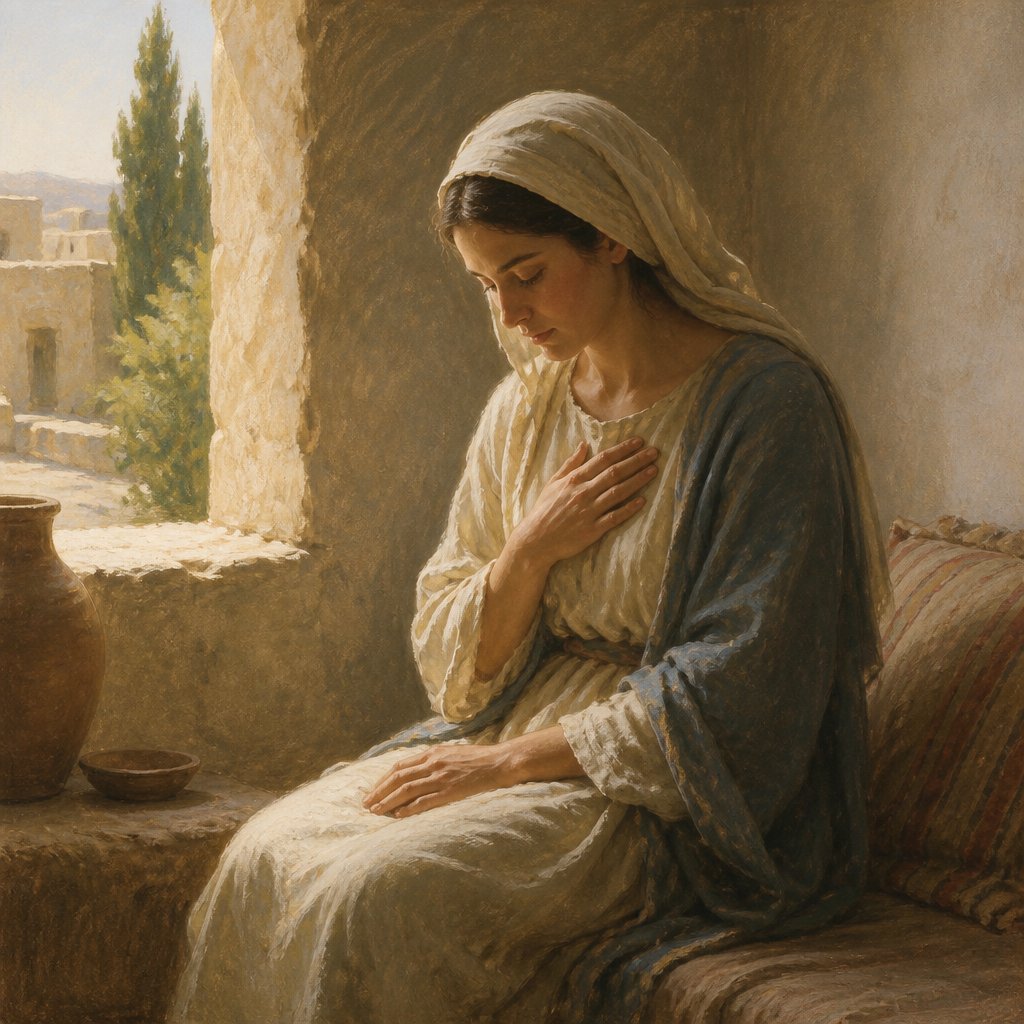
Romans 14:22, from the King James Version of the Bible, states: "Hast thou faith? Have it to thyself before God. Happy is he that condemneth not himself in that thing which he alloweth."
This verse comes in the context of Paul's teachings to the Romans about accepting one another and not passing judgment on disputable matters. In the preceding verses, Paul discusses how some Christians refrain from eating certain foods while others have no restrictions. He encourages believers to not judge or condemn one another based on these differing practices, but to instead focus on principles of love and unity.
The phrase "Hast thou faith? Have it to thyself before God" is a recognition of the deep personal nature of faith. It reminds believers that their faith is ultimately between them and God. Faith is not something to be flaunted or used to boast to others. Instead, it is a deeply personal connection with the divine, and should be lived out in a way that is pleasing to God.
The verse then continues with "Happy is he that condemneth not himself in that thing which he alloweth." This part of the verse emphasizes the importance of living in line with one's conscience. It speaks to the idea of not doing things that go against one's own beliefs and convictions. By acting in accordance with what one believes is right, a person can find true happiness and peace within themselves.
One of the key themes in this verse is the idea of personal faith and conviction. It encourages believers to consider their own faith in relation to their actions and to act with integrity according to their beliefs. It also touches on the themes of acceptance and understanding, urging believers to respect the faith and practices of others.
The context of this verse is important for understanding its significance. The early Christian community was diverse, and there were many cultural and religious differences among its members. In this context, Paul's message of acceptance and non-judgmentalism was revolutionary. He was urging believers to focus on the principles of love and unity, rather than getting caught up in disputes over minor issues.
The verse also carries a strong message of personal accountability. It reminds believers that they are responsible for their own faith and actions. They should not judge others, but instead focus on living in a way that aligns with their own beliefs and values.
In terms of symbolism, this verse represents the idea of individual responsibility within the Christian faith. It speaks to the personal nature of faith and the need for believers to act in accordance with their own convictions. It also symbolizes the importance of acceptance and understanding within the Christian community, emphasizing the value of unity and love over minor differences.
Overall, Romans 14:22 is a powerful reminder for believers to stay true to their personal convictions and to refrain from passing judgment on others. It carries a message of personal accountability and the importance of living in accordance with one's faith. It also underscores the significance of acceptance and understanding within the Christian community.
Get our apps


Artwork for Romans 14:22

Romans 14:22 - "Hast thou faith? have it to thyself before God. Happy is he that condemneth not himself in that thing which he alloweth."
"Hast thou faith? have it to thyself before God. Happy is he that condemneth not himself in that thing which he alloweth." - Romans 14:22

Romans 14:12

Romans 8:14

Romans 10:14

Romans 4:22 - "And therefore it was imputed to him for righteousness."

Romans 1:22 - "Professing themselves to be wise, they became fools,"

Romans 7:22 - "For I delight in the law of God after the inward man:"

Romans 14:16 - "Let not then your good be evil spoken of:"

Romans 3:14 - "Whose mouth is full of cursing and bitterness:"

Romans 16:22 - "I Tertius, who wrote this epistle, salute you in the Lord."

Romans 8:14 - "For as many as are led by the Spirit of God, they are the sons of God."

"And therefore it was imputed to him for righteousness." - Romans 4:22

Romans 14:7 - "For none of us liveth to himself, and no man dieth to himself."

Romans 8:22 - "For we know that the whole creation groaneth and travaileth in pain together until now."

depict the theme of Romans 13:8-14

Romans 14:1 - "Him that is weak in the faith receive ye, but not to doubtful disputations."

Romans 12:14 - "Bless them which persecute you: bless, and curse not."

Romans 9:14 - "What shall we say then? Is there unrighteousness with God? God forbid."

Romans 14:18 - "For he that in these things serveth Christ is acceptable to God, and approved of men."

Romans 14:14 - "I know, and am persuaded by the Lord Jesus, that there is nothing unclean of itself: but to him that esteemeth any thing to be unclean, to him it is unclean."

Romans 15:22 - "For which cause also I have been much hindered from coming to you."

"Professing themselves to be wise, they became fools," - Romans 1:22

Romans 14:12 - "So then every one of us shall give account of himself to God."

Romans 1:14 - "I am debtor both to the Greeks, and to the Barbarians; both to the wise, and to the unwise."

Romans 16:14 - "Salute Asyncritus, Phlegon, Hermas, Patrobas, Hermes, and the brethren which are with them."

Romans 14:17 - "For the kingdom of God is not meat and drink; but righteousness, and peace, and joy in the Holy Ghost."

Romans 7:14 - "For we know that the law is spiritual: but I am carnal, sold under sin."

Romans 4:14 - "For if they which are of the law be heirs, faith is made void, and the promise made of none effect:"

Romans 3:22 - "Even the righteousness of God which is by faith of Jesus Christ unto all and upon all them that believe: for there is no difference:"