What does Romans 14:4 mean?
“Who art thou that judgest another man’s servant? to his own master he standeth or falleth. Yea, he shall be holden up: for God is able to make him stand.” — Romans 14:4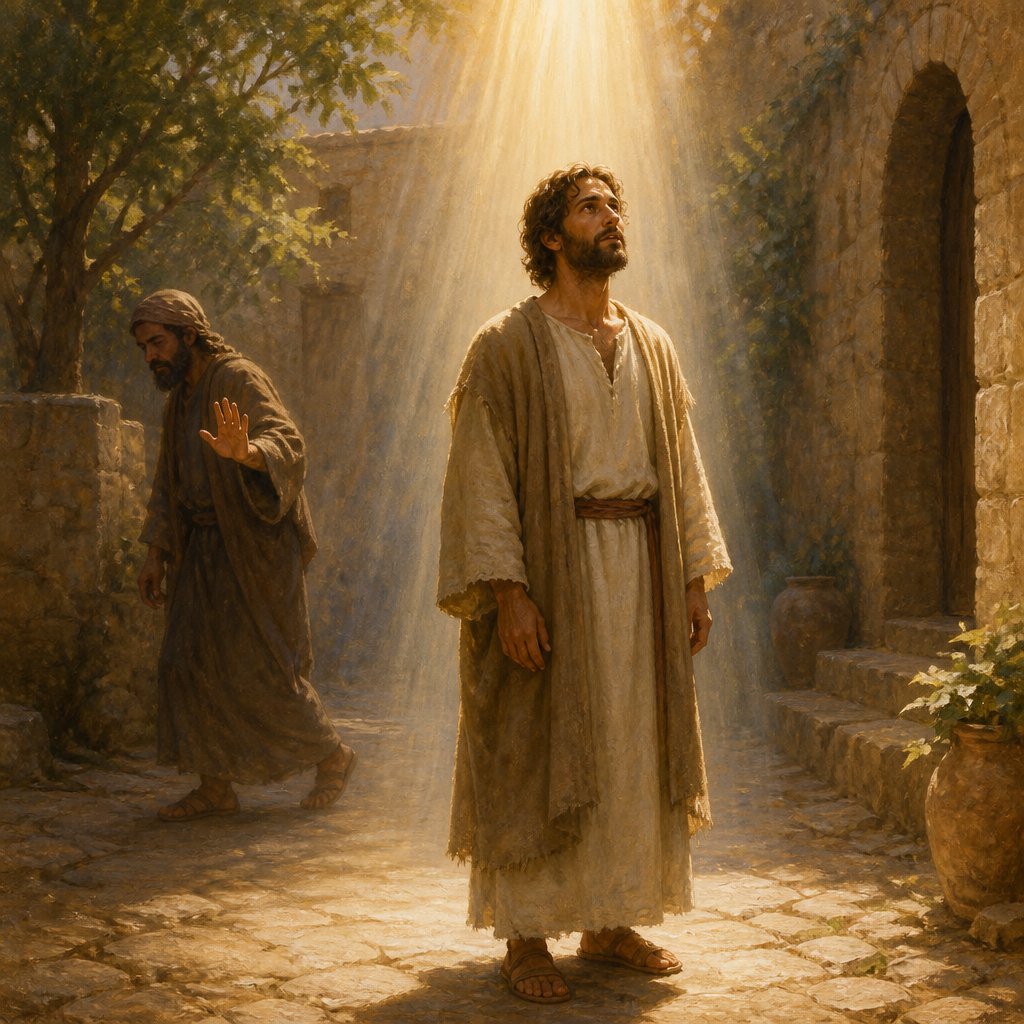
Romans 14:4 states, "Who art thou that judgest another man's servant? to his own master he standeth or falleth. Yea, he shall be holden up: for God is able to make him stand."
This verse from the book of Romans addresses the issue of judging others. The apostle Paul wrote the book of Romans to the believers in Rome, addressing various aspects of Christian doctrine and Christian living. In this particular passage, he is addressing the issue of judgment and how Christians should relate to one another.
The verse begins with the question, "Who art thou that judgest another man's servant?" This rhetorical question challenges the reader to consider their position in relation to others. Paul is warning against the tendency to judge or condemn others, especially fellow believers. By using the term "another man's servant," Paul is emphasizing that every individual belongs to God and is ultimately accountable to Him alone.
The verse continues, "to his own master he standeth or falleth." Here, Paul is emphasizing the sovereignty of God as the ultimate judge. Each person is accountable to their own master, which is God. This implies that it is not our place to judge others, as the ultimate assessment of their actions and decisions is reserved for God alone.
Paul then reassures the believers by stating, "Yea, he shall be holden up: for God is able to make him stand." This is a comforting and empowering declaration that God is able to support and sustain His servants. Regardless of the judgments or criticisms of others, God has the power to uphold and strengthen His people. This serves as a reminder that our trust and confidence should ultimately be in God, rather than in the opinions of others.
This verse carries several important themes. Firstly, it addresses the issue of judgment and the tendency of individuals to assess and criticize others. Throughout the Bible, there is a clear warning against the act of judging others, as it often stems from a prideful and self-righteous attitude. Instead, Christians are called to show grace, understanding, and love towards one another, recognizing that each person is ultimately accountable to God.
Another theme present in this verse is the sovereignty and authority of God. The concept of God as the ultimate judge is a recurring theme in the Bible, emphasizing His role as the ultimate authority and the one to whom all will answer. This understanding should lead to humility and a recognition of our own limitations in assessing the actions and motives of others.
Symbolically, this verse represents the idea of standing before God as our ultimate judge. It serves as a reminder that our actions and decisions are ultimately accountable to Him. The imagery of being "holden up" by God portrays His ability to support and strengthen His people, regardless of the judgments of others.
In the context of the book of Romans, this verse contributes to the broader theme of Christian unity and love within the body of believers. Throughout the book, Paul emphasizes the importance of living in harmony with one another, despite differences in opinions and convictions. This verse serves as a caution against division and strife, urging believers to maintain a spirit of humility and grace towards one another.
In conclusion, Romans 14:4 provides a powerful reminder of the dangers of judging others and the sovereignty of God as the ultimate judge. It emphasizes the importance of humility, grace, and love within the Christian community. Ultimately, this verse calls believers to place their trust in God, recognizing His ability to support and uphold His people.
Get our apps


Artwork for Romans 14:4

Romans 14:4 - "Who art thou that judgest another man's servant? to his own master he standeth or falleth. Yea, he shall be holden up: for God is able to make him stand."
"Who art thou that judgest another man's servant? to his own master he standeth or falleth. Yea, he shall be holden up: for God is able to make him stand." - Romans 14:4

Romans 4:14 - "For if they which are of the law be heirs, faith is made void, and the promise made of none effect:"
"For if they which are of the law be heirs, faith is made void, and the promise made of none effect:" - Romans 4:14

Romans 4:13-14 - "For the promise to Abraham and his offspring that he would be heir of the world did not come through the law but through the righteousness of faith. For if it is the adherents of the law who are to be the heirs, faith is null and the promise is void."

Romans 14:12

Romans 8:14

Romans 10:14

Romans 2:4

Romans 4:3

Romans 14:16 - "Let not then your good be evil spoken of:"

Romans 3:14 - "Whose mouth is full of cursing and bitterness:"

Romans 4:4 - "Now to him that worketh is the reward not reckoned of grace, but of debt."

Romans 8:14 - "For as many as are led by the Spirit of God, they are the sons of God."

Romans 14:7 - "For none of us liveth to himself, and no man dieth to himself."

depict the theme of Romans 13:8-14
Romans 15:4-6
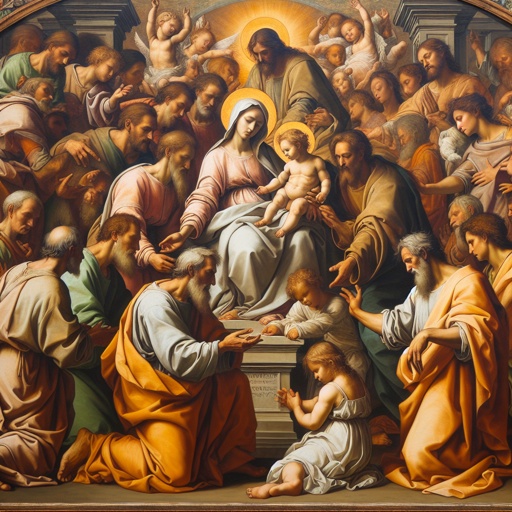
romans 12: 4-5

Romans 14:1 - "Him that is weak in the faith receive ye, but not to doubtful disputations."

Romans 12:14 - "Bless them which persecute you: bless, and curse not."

Romans 9:14 - "What shall we say then? Is there unrighteousness with God? God forbid."

Romans 14:18 - "For he that in these things serveth Christ is acceptable to God, and approved of men."

Romans 5:4 - "And patience, experience; and experience, hope:"

Romans 14:14 - "I know, and am persuaded by the Lord Jesus, that there is nothing unclean of itself: but to him that esteemeth any thing to be unclean, to him it is unclean."

Romans 4:22 - "And therefore it was imputed to him for righteousness."

Romans 14:12 - "So then every one of us shall give account of himself to God."

Romans 1:14 - "I am debtor both to the Greeks, and to the Barbarians; both to the wise, and to the unwise."

Romans 16:14 - "Salute Asyncritus, Phlegon, Hermas, Patrobas, Hermes, and the brethren which are with them."

Romans 14:17 - "For the kingdom of God is not meat and drink; but righteousness, and peace, and joy in the Holy Ghost."

Romans 7:14 - "For we know that the law is spiritual: but I am carnal, sold under sin."