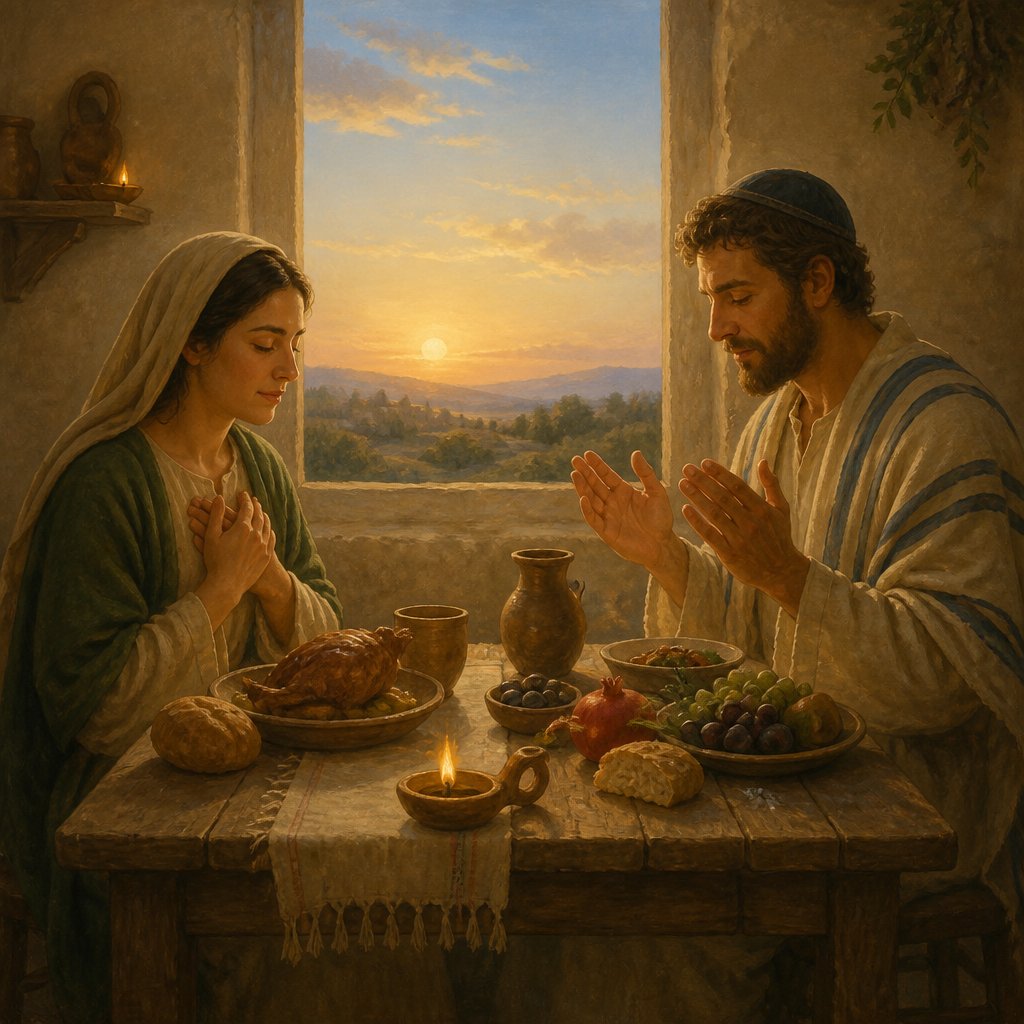
Romans 14:5-6 from the King James Version reads: "One man esteemeth one day above another: another esteemeth every day alike. Let every man be fully persuaded in his own mind. He that regardeth the day, regardeth it unto the Lord; and he that regardeth not the day, to the Lord he doth not regard it. He that eateth, eateth to the Lord, for he giveth God thanks; and he that eateth not, to the Lord he eateth not, and giveth God thanks."
This passage from the book of Romans addresses the issue of personal convictions and how they should be handled in relation to one's faith. The central theme of this passage is the importance of allowing individuals to hold different beliefs and still be accepted within the community of believers. It emphasizes the value of respecting one another's personal convictions and not passing judgment.
In the context of the book of Romans, the apostle Paul is writing to the believers in Rome, addressing various issues that were present in the early church. In this particular section, Paul is discussing the matter of disputable matters or adiaphora – issues that are not explicitly addressed in the Scriptures and are open to individual interpretation. In the Roman church, there were likely debates around dietary restrictions, observance of certain religious festivals, and other matters of personal conviction. Paul's purpose in this passage is to encourage unity and understanding within the Christian community, despite differences in belief and practice.
The passage begins by acknowledging that some people may esteem certain days over others, while others may consider every day to be the same. This could be a reference to the Jewish believers who still adhered to the traditions of the Mosaic law, including the observance of Sabbath and other religious festivals, while Gentile believers did not observe these practices. Paul urges believers to be fully convinced in their own minds about their beliefs and practices, recognizing that each person's convictions may differ.
Paul emphasizes that those who regard certain days or dietary restrictions as important do so unto the Lord, and those who do not regard them also do so unto the Lord. The focus is on the motivation behind one's actions – whether they are done with the intention of pleasing and honoring God. This underscores the idea that personal convictions and practices should not be a source of division or judgment within the body of Christ.
The passage also addresses the issue of eating certain foods, which was a matter of contention in the early church, particularly between Jewish and Gentile believers. Paul reminds believers that whether they eat or abstain from certain foods, they should do so with a heart of thanksgiving to God. This echoes the broader theme of honoring God in all aspects of life, including personal practices and behaviors.
Symbolically, this passage serves as a reminder of the diversity within the body of Christ and the need for unity despite differences in personal convictions. It emphasizes the importance of love, acceptance, and mutual respect within the Christian community. The passage also highlights the sovereignty of God in allowing individual consciences to guide believers in matters of personal conviction.
In summary, Romans 14:5-6 offers a powerful message about the importance of respecting and accepting one another's personal convictions within the Christian community. It calls for unity, understanding, and love, despite differences in beliefs and practices. The passage underscores the need for individuals to be fully convinced in their own minds, while also recognizing the sovereignty of God in matters of personal conviction. It serves as a timeless reminder for believers to prioritize love and unity in the midst of diversity.
Get our apps


Artwork for Romans 14:5-6

Romans 14:5-6 - "One person considers one day more sacred than another; another considers every day alike. Each of them should be fully convinced in their own mind. Whoever regards one day as special does so to the Lord. Whoever eats meat does so to the Lord, for they give thanks to God; and whoever abstains does so to the Lord and gives thanks to God."
"One person considers one day more sacred than another; another considers every day alike. Each of them should be fully convinced in their own mind. Whoever regards one day as special does so to the Lord. Whoever eats meat does so to the Lord, for they give thanks to God; and whoever abstains does so to the Lord and gives thanks to God." - Romans 14:5-6

Romans 6:14 - "For sin shall not have dominion over you: for ye are not under the law, but under grace."

Romans 5:6 - "For when we were yet without strength, in due time Christ died for the ungodly."

Romans 6:5 - "For if we have been planted together in the likeness of his death, we shall be also in the likeness of his resurrection:"

Romans 14:5 - "One man esteemeth one day above another: another esteemeth every day alike. Let every man be fully persuaded in his own mind."

Romans 5:14 - "Nevertheless death reigned from Adam to Moses, even over them that had not sinned after the similitude of Adam's transgression, who is the figure of him that was to come."

Hosea 14:5-6 – "I will be like the dew to Israel; he will blossom like a lily."

"For sin shall not have dominion over you: for ye are not under the law, but under grace." - Romans 6:14

Stand firm in grace. 1 Peter 5:6-14
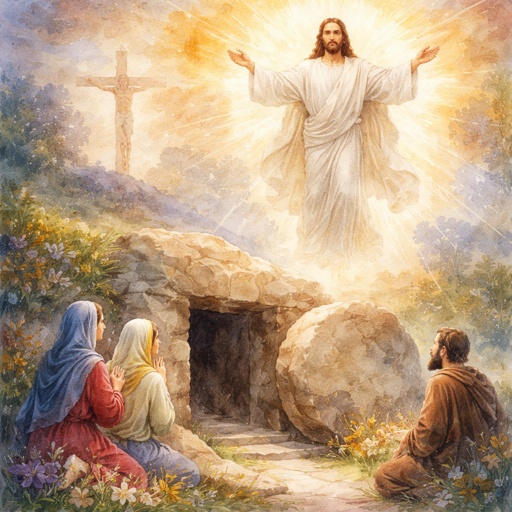
For if we have been united with him in a death like his, we shall certainly be united with him in a resurrection like his. Romans 6:5

Romans 14:12

Romans 8:14

Romans 10:14
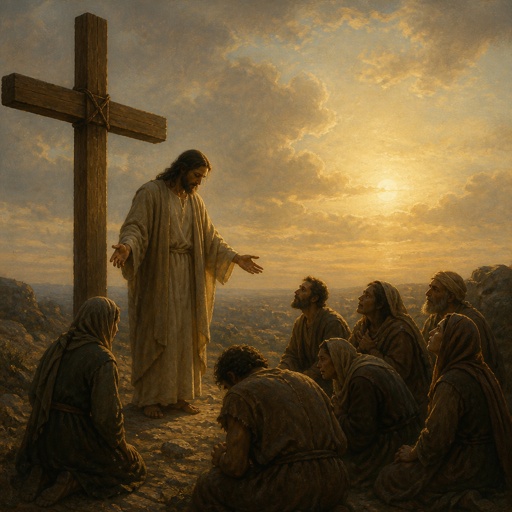
"For when we were yet without strength, in due time Christ died for the ungodly." - Romans 5:6

Romans 5:1

For if we have been united with him in a death like his, we shall certainly be united with him in a resurrection like his. Romans 6:5

Romans 14:6 - "He that regardeth the day, regardeth it unto the Lord; and he that regardeth not the day, to the Lord he doth not regard it. He that eateth, eateth to the Lord, for he giveth God thanks; and he that eateth not, to the Lord he eateth not, and giveth God thanks."

Romans 5:19

Romans 5:8

Romans 5:8

Romans 5:8

Romans 5:19

Matthew 14:6 - "But when Herod's birthday was kept, the daughter of Herodias danced before them, and pleased Herod."

Romans 6:23

Romans 8:6

Romans 6:23

Romans 14:16 - "Let not then your good be evil spoken of:"

Romans 3:14 - "Whose mouth is full of cursing and bitterness:"
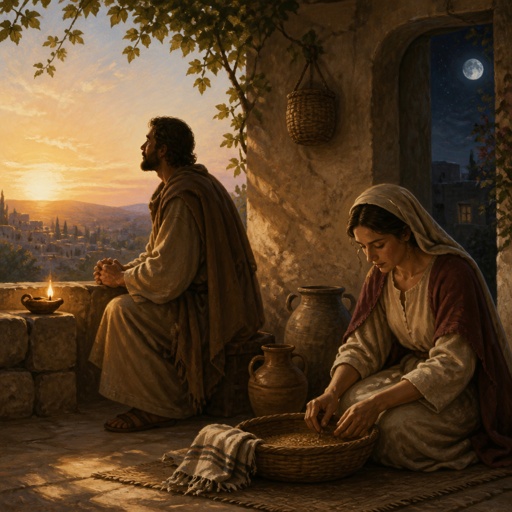
"One man esteemeth one day above another: another esteemeth every day alike. Let every man be fully persuaded in his own mind." - Romans 14:5