What does Romans 14:6 mean?
“He that regardeth the day, regardeth it unto the Lord; and he that regardeth not the day, to the Lord he doth not regard it. He that eateth, eateth to the Lord, for he giveth God thanks; and he that eateth not, to the Lord he eateth not, and giveth God thanks.” — Romans 14:6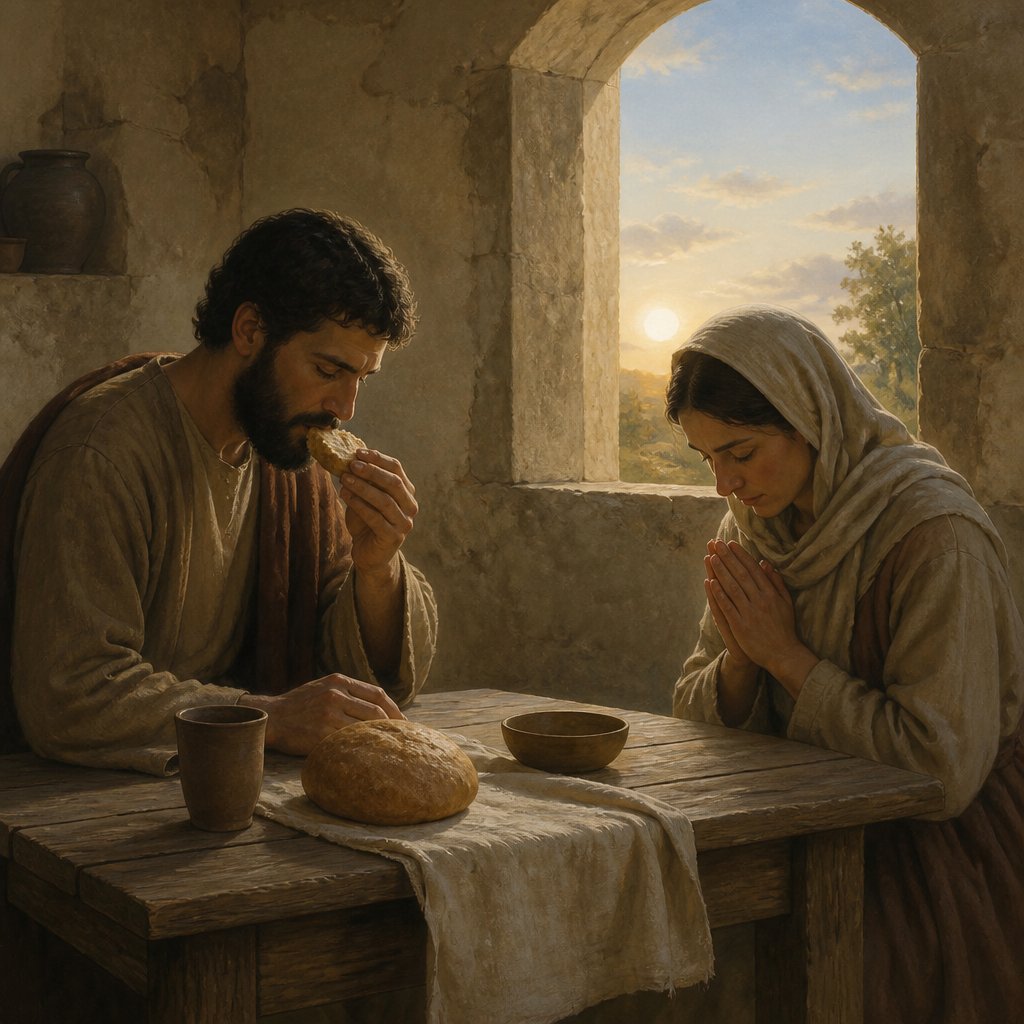
Romans 14:6 (KJV) states, "He that regardeth the day, regardeth it unto the Lord; and he that regardeth not the day, to the Lord he doth not regard it. He that eateth, eateth to the Lord, for he giveth God thanks; and he that eateth not, to the Lord he eateth not, and giveth God thanks."
This verse from the book of Romans addresses the issue of judgment and personal convictions within the Christian community. At the time when this epistle was written, there were differing opinions and practices among the early Christians regarding certain days of the week and dietary laws. Some adhered to Jewish customs while others did not, leading to potential conflict within the community. In this verse, the apostle Paul is urging believers to respect each other's personal convictions and to prioritize their attitudes and actions toward God rather than focusing on external practices.
One of the key themes in this verse is the idea of personal conviction and the freedom in Christ. The early Christian community was composed of individuals from diverse backgrounds, and it was inevitable that they would have differing perspectives on certain religious practices. Paul underscores the idea that while there may be differing convictions and practices among believers, the most important thing is that each person acts out of a sincere desire to honor the Lord. This message of unity and respect for diversity within the body of Christ is relevant for Christians today, as they navigate through differences in theology and practice.
The context in which this verse is situated in the book of Romans is significant. The apostle Paul wrote this letter to the church in Rome, addressing various theological and ethical issues faced by the early Christian community. In the preceding verses, Paul speaks about the importance of not causing others to stumble by one's actions (Romans 14:13). He emphasizes the need for mutual acceptance and grace in matters of personal conviction, reminding believers that they are accountable to the Lord, not to one another. This serves as a call for unity and understanding among believers, despite their differences.
Symbolism in this verse comes in the form of the actions of eating and regarding certain days. Paul uses these examples to illustrate the diversity of beliefs and practices within the Christian community. The act of eating, in particular, was a central issue in the cultural context of the early church, as Jewish and Gentile believers had different dietary laws. By using these specific examples, Paul is conveying the message that the heart behind one's actions is what truly matters. Whether one eats or observes certain days, it should be done with a sincere heart of gratitude and reverence for the Lord.
In conclusion, Romans 14:6 (KJV) offers a powerful message of unity, respect, and freedom in Christ. It encourages believers to prioritize their relationship with God and to respect the personal convictions of others within the Christian community. This verse reminds Christians to act in love and understanding, even in the midst of differing beliefs and practices. In doing so, it emphasizes the importance of honoring God in all aspects of life and upholding the unity of the body of Christ. This timeless message continues to resonate with believers today, serving as a reminder of the need for grace, humility, and mutual respect within the church.
Get our apps


Artwork for Romans 14:6

Romans 14:6 - "He that regardeth the day, regardeth it unto the Lord; and he that regardeth not the day, to the Lord he doth not regard it. He that eateth, eateth to the Lord, for he giveth God thanks; and he that eateth not, to the Lord he eateth not, and giveth God thanks."
"He that regardeth the day, regardeth it unto the Lord; and he that regardeth not the day, to the Lord he doth not regard it. He that eateth, eateth to the Lord, for he giveth God thanks; and he that eateth not, to the Lord he eateth not, and giveth God thanks." - Romans 14:6

Romans 6:14 - "For sin shall not have dominion over you: for ye are not under the law, but under grace."

"For sin shall not have dominion over you: for ye are not under the law, but under grace." - Romans 6:14

Romans 14:12

Romans 8:14

Romans 10:14

Matthew 14:6 - "But when Herod's birthday was kept, the daughter of Herodias danced before them, and pleased Herod."

Romans 8:6

Romans 6:23

Romans 6:23

Romans 3:14 - "Whose mouth is full of cursing and bitterness:"

Romans 14:16 - "Let not then your good be evil spoken of:"

Romans 15:4-6

Romans 8:14 - "For as many as are led by the Spirit of God, they are the sons of God."

Romans 14:7 - "For none of us liveth to himself, and no man dieth to himself."

depict the theme of Romans 13:8-14

Romans 6:7 - "For he that is dead is freed from sin."

Romans 14:1 - "Him that is weak in the faith receive ye, but not to doubtful disputations."

Romans 12:14 - "Bless them which persecute you: bless, and curse not."

Romans 9:14 - "What shall we say then? Is there unrighteousness with God? God forbid."

Romans 14:18 - "For he that in these things serveth Christ is acceptable to God, and approved of men."

Romans 14:14 - "I know, and am persuaded by the Lord Jesus, that there is nothing unclean of itself: but to him that esteemeth any thing to be unclean, to him it is unclean."

Romans 14:12 - "So then every one of us shall give account of himself to God."

Romans 1:14 - "I am debtor both to the Greeks, and to the Barbarians; both to the wise, and to the unwise."

Romans 2:6 - "Who will render to every man according to his deeds:"

Romans 6:6 - "Knowing this, that our old man is crucified with him, that the body of sin might be destroyed, that henceforth we should not serve sin."

Romans 14:17 - "For the kingdom of God is not meat and drink; but righteousness, and peace, and joy in the Holy Ghost."

Romans 16:14 - "Salute Asyncritus, Phlegon, Hermas, Patrobas, Hermes, and the brethren which are with them."

Romans 8:6 - "For to be carnally minded is death; but to be spiritually minded is life and peace."