What does Romans 14:7-8 mean?
“For none of us liveth to himself, and no man dieth to himself. For whether we live, we live unto the Lord; and whether we die, we die unto the Lord: whether we live therefore, or die, we are the Lord’s.” — Romans 14:7-8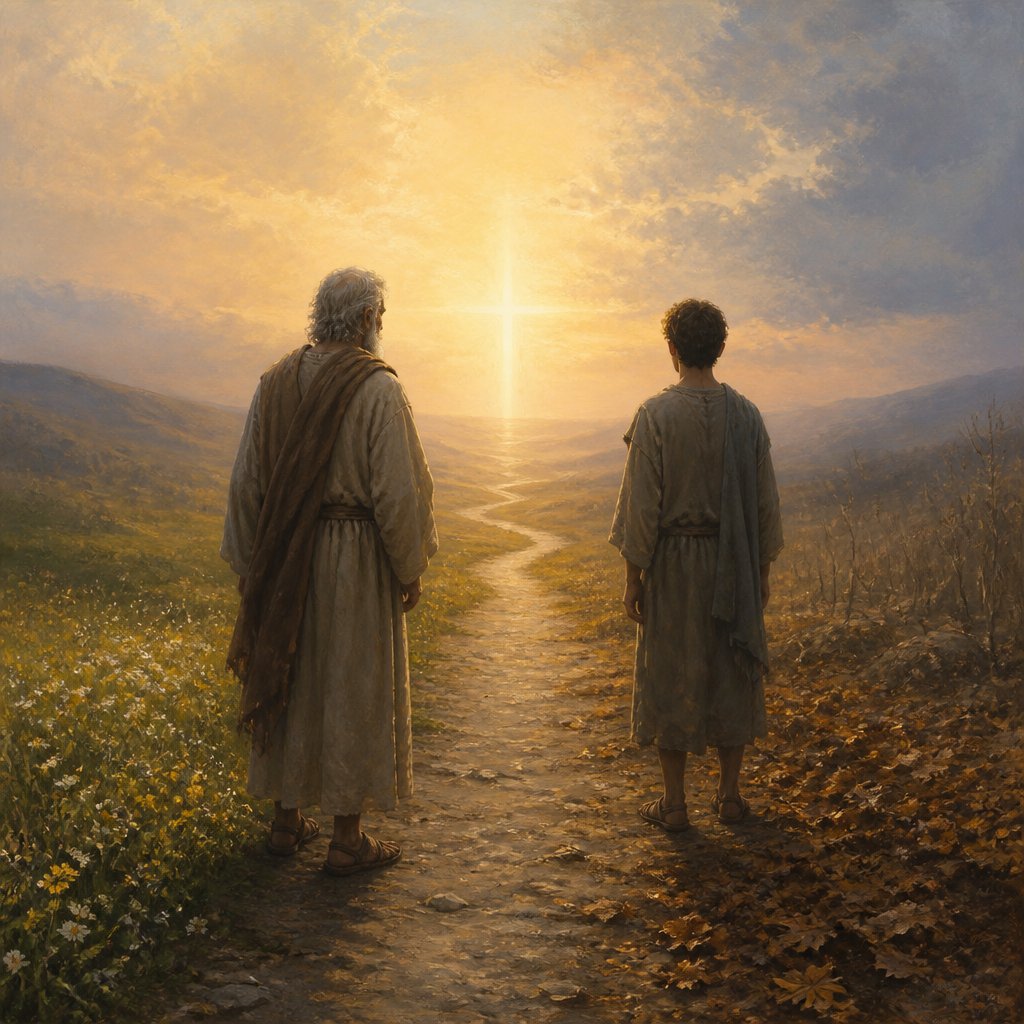
Romans 14:7-8 in the King James Version of the Bible states: "For none of us liveth to himself, and no man dieth to himself. For whether we live, we live unto the Lord; and whether we die, we die unto the Lord: whether we live therefore, or die, we are the Lord's."
In these verses, the apostle Paul is addressing the believers in Rome about the importance of living and dying for the Lord. He emphasizes the fact that as Christians, our lives are not our own, but rather belong to the Lord. This passage speaks to the core of Christian faith and the principles that guide the lives of believers.
One of the main themes in this passage is the concept of surrendering one's life to the Lord. Paul is reminding the believers that as Christians, they are called to live for something greater than themselves. This is a foundational principle of Christianity, as Jesus himself said in Luke 9:23, "If any man will come after me, let him deny himself, and take up his cross daily, and follow me." Living for the Lord means putting aside our own desires, ambitions, and comforts, and instead seeking to honor and serve God in all that we do.
Another theme present in these verses is the interconnectedness of believers. Paul emphasizes the fact that "none of us liveth to himself, and no man dieth to himself." This speaks to the idea that as members of the body of Christ, our lives and actions have an impact on others. We are called to live in community with other believers, supporting and encouraging one another in our faith journey. Additionally, our lives and deaths have an eternal significance, as everything we do ultimately affects the body of Christ and brings glory to the Lord.
The context of these verses is important to consider as well. Paul is addressing a specific issue within the Roman church regarding food and days of observance. Some believers were judging and looking down on others for their dietary choices and how they observed certain days. Paul is reminding them that these external practices are not what define a person's relationship with the Lord. Instead, he calls them to focus on living in righteousness, peace, and joy in the Holy Spirit (Romans 14:17). The overarching message is that our devotion to the Lord and our love for one another should be the driving force behind our actions and decisions.
Symbolism can also be found within these verses. The imagery of living and dying "unto the Lord" holds deep spiritual significance. It speaks to the idea of dedicating every aspect of our lives to the service of God, acknowledging His sovereignty over all things. This symbolism reinforces the theme of surrender and devotion to the Lord, reminding believers that their lives are to be lived in accordance with His will and for His glory.
In conclusion, Romans 14:7-8 is a powerful reminder of the Christian's calling to live and die for the Lord. These verses emphasize the themes of surrender, interconnectedness, and the eternal significance of our lives. They encourage believers to focus on the things that truly matter in our walk with God and to seek to honor Him in all that we do. The imagery and symbolism present in these verses serve to deepen the understanding of the importance of living a life that is dedicated to the Lord.
Get our apps


Artwork for Romans 14:7-8

Romans 14:7-8 - "For none of us lives to himself, and no one dies to himself. For if we live, we live to the Lord; and if we die, we die to the Lord. Therefore, whether we live or die, we are the Lord’s."

"For none of us lives to himself, and no one dies to himself. For if we live, we live to the Lord; and if we die, we die to the Lord. Therefore, whether we live or die, we are the Lord’s." - Romans 14:7-8

Romans 8:14

Romans 8:14 - "For as many as are led by the Spirit of God, they are the sons of God."

depict the theme of Romans 13:8-14

Romans 14:7 - "For none of us liveth to himself, and no man dieth to himself."

Romans 7:14 - "For we know that the law is spiritual: but I am carnal, sold under sin."

Romans 8:7 - "Because the carnal mind is enmity against God: for it is not subject to the law of God, neither indeed can be."

"For as many as are led by the Spirit of God, they are the sons of God." - Romans 8:14

Romans 7:8 - "But sin, taking occasion by the commandment, wrought in me all manner of concupiscence. For without the law sin was dead."

"For none of us liveth to himself, and no man dieth to himself." - Romans 14:7

Illustrate the concept of Time to Wake Up: Living with Urgency and Love found in Romans 13:8-14.

Illustrate the concept of Time to Wake Up: Living with Urgency and Love found in Romans 13:8-14.

Romans 4:7-8 - "Blessed are those whose transgressions are forgiven, whose sins are covered. Blessed is the one whose sin the Lord will never count against them."

Illustrate the concept of Time to Wake Up: Living with Urgency and Love found in Romans 13:8-14.

Illustrate the concept of Time to Wake Up: Living with Urgency and Love found in Romans 13:8-14.

Illustrate the concept of Time to Wake Up: Living with Urgency and Love found in Romans 13:8-14.

Romans 14:8 - "For whether we live, we live unto the Lord; and whether we die, we die unto the Lord: whether we live therefore, or die, we are the Lord's."

"For we know that the law is spiritual: but I am carnal, sold under sin." - Romans 7:14

Romans 8

romans 8

Romans 14:12

Romans 10:14

Romans 8:8 - "So then they that are in the flesh cannot please God."
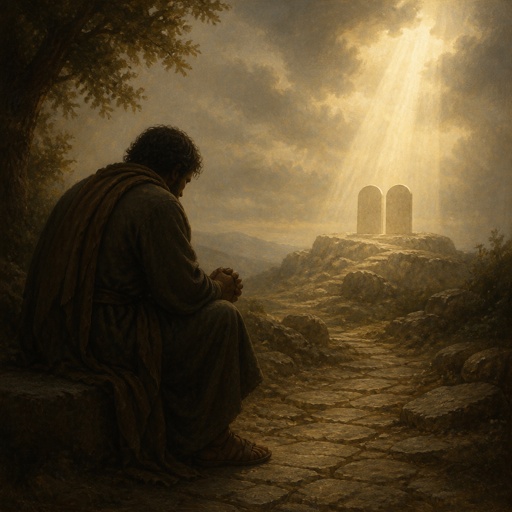
"Because the carnal mind is enmity against God: for it is not subject to the law of God, neither indeed can be." - Romans 8:7

Romans 8:18

Romans 8:19

Romans 8:28

Romans 8:31

Romans 13:8