What does Romans 14:7-9 mean?
“For none of us liveth to himself, and no man dieth to himself. For whether we live, we live unto the Lord; and whether we die, we die unto the Lord: whether we live therefore, or die, we are the Lord’s. For to this end Christ both died, and rose, and revived, that he might be Lord both of the dead and living.” — Romans 14:7-9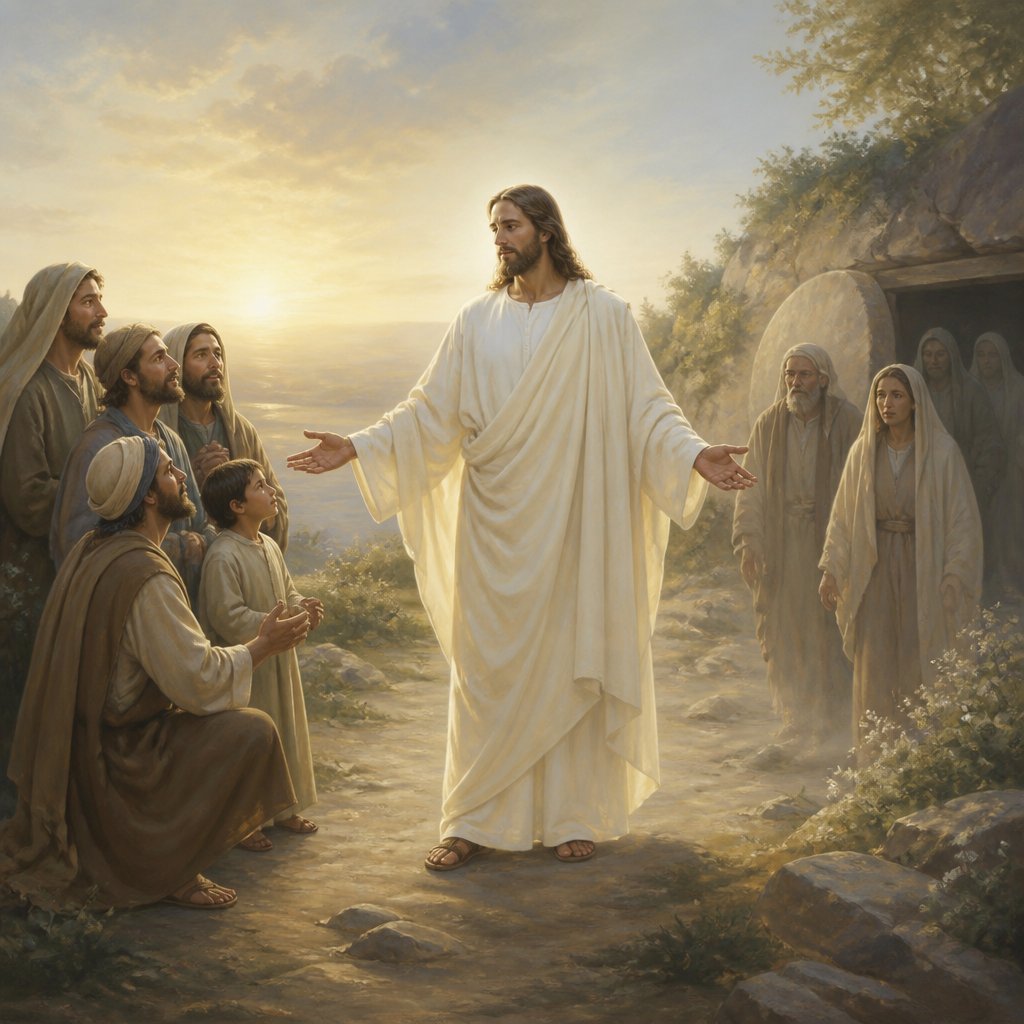
Romans 14:7-9 states: "For none of us liveth to himself, and no man dieth to himself. For whether we live, we live unto the Lord; and whether we die, we die unto the Lord: whether we live therefore, or die, we are the Lord's. For to this end Christ both died, and rose, and revived, that he might be Lord both of the dead and living."
This passage from the book of Romans captures the essence of Christian faith and the notion of living and dying for the Lord. It speaks to the interconnectedness of all human lives, the sovereignty of God, and the significance of Christ's sacrifice for humanity.
The passage begins with the phrase, "For none of us liveth to himself, and no man dieth to himself." This expression emphasizes the idea that our lives and deaths are not isolated events, but rather interconnected with one another and ultimately tied to God. It emphasizes the communal aspect of human existence and the impact that our actions and choices have on others. It speaks to the Christian principle of living in community and considering the well-being of others.
The next statement, "For whether we live, we live unto the Lord; and whether we die, we die unto the Lord: whether we live, therefore, or die, we are the Lord's," reinforces the idea that our lives are ultimately devoted to God. It highlights the Christian belief that all aspects of life should be lived with a focus on honoring and serving God. Whether one is alive or dead, the passage asserts that they belong to the Lord. This concept can provide comfort and reassurance to believers, knowing that their lives are ultimately under the care and guidance of a loving and sovereign God.
The final part of this passage declares, "For to this end Christ both died, and rose, and revived, that he might be Lord both of the dead and living." This sentence reminds believers of the redemptive work of Christ. It points to the crucifixion, resurrection, and ascension of Jesus as the means by which he became the Lord of both the living and the dead. His sacrificial death and triumphant resurrection established his authority over all of humanity, offering hope and salvation to those who believe in him. This serves as a powerful reminder of the central message of Christianity – the transformative power of Christ's sacrifice and the promise of eternal life in him.
In terms of themes, this passage addresses several crucial themes in Christianity. It speaks to the interconnectedness of human lives and the importance of living in community. It emphasizes the sovereignty of God and the idea that all aspects of life should be lived in devotion to Him. Additionally, it highlights the redemptive work of Christ and the hope that believers have in Him for eternal life.
The context of this passage is significant as well. The book of Romans was written by the apostle Paul to the church in Rome, addressing various theological and practical matters facing the early Christian community. In the broader context of the book, this passage fits into Paul's discussion of Christian liberty, love for others, and the significance of Christ's work for believers. It serves as a reminder to the Roman Christians of the all-encompassing impact of their faith and the transformative power of Christ's sacrifice.
Symbolism can be found in this passage as well. The imagery of living and dying "unto the Lord" symbolizes the idea of complete devotion and surrender to God. It conveys the notion that believers are called to orient every aspect of their lives toward honoring and serving Him. Additionally, the reference to Christ's death and resurrection symbolizes the central tenets of the Christian faith – the atonement for sins and the promise of new life in Him.
In conclusion, Romans 14:7-9 articulates profound truths about the Christian faith, the interconnectedness of human lives, and the significance of Christ's sacrifice. It encompasses themes of community, devotion to God, and the redemptive work of Jesus Christ. Within the context of the book of Romans, this passage serves as a powerful reminder of the transformative power of the gospel and the hope that believers have in Christ. Through its rich symbolism and profound commentary, this passage continues to inspire and encourage Christians in their faith today.
Get our apps


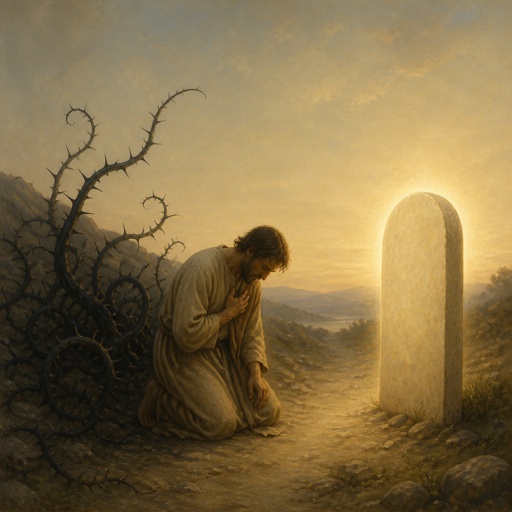
Artwork for Romans 14:7-9

Romans 14:7-9 - "For none of us lives for ourselves alone, and none of us dies for ourselves alone. If we live, we live for the Lord; and if we die, we die for the Lord. So, whether we live or die, we belong to the Lord. For this very reason, Christ died and returned to life so that he might be the Lord of both the dead and the living."

"For none of us lives for ourselves alone, and none of us dies for ourselves alone. If we live, we live for the Lord; and if we die, we die for the Lord. So, whether we live or die, we belong to the Lord. For this very reason, Christ died and returned to life so that he might be the Lord of both the dead and the living." - Romans 14:7-9

Romans 14:7 - "For none of us liveth to himself, and no man dieth to himself."

Romans 9:14 - "What shall we say then? Is there unrighteousness with God? God forbid."

Romans 7:14 - "For we know that the law is spiritual: but I am carnal, sold under sin."

Romans 14:9 - "For to this end Christ both died, and rose, and revived, that he might be Lord both of the dead and living."

Romans 9:7 - "Neither, because they are the seed of Abraham, are they all children: but, In Isaac shall thy seed be called."

Romans 7:9 - "For I was alive without the law once: but when the commandment came, sin revived, and I died."

"For none of us liveth to himself, and no man dieth to himself." - Romans 14:7
"What shall we say then? Is there unrighteousness with God? God forbid." - Romans 9:14

"For we know that the law is spiritual: but I am carnal, sold under sin." - Romans 7:14

Romans 14:7-8 - "For none of us lives to himself, and no one dies to himself. For if we live, we live to the Lord; and if we die, we die to the Lord. Therefore, whether we live or die, we are the Lord’s."
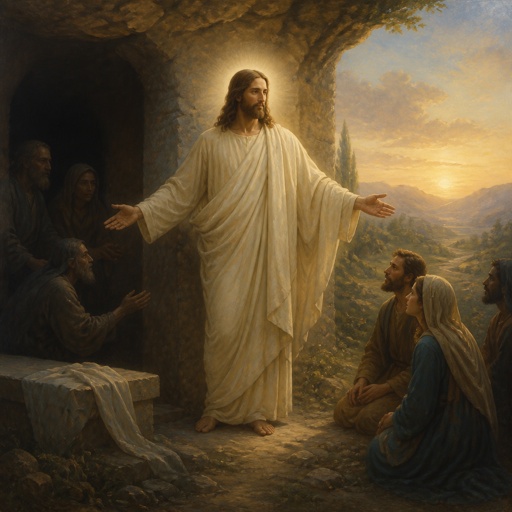
"For to this end Christ both died, and rose, and revived, that he might be Lord both of the dead and living." - Romans 14:9
"Neither, because they are the seed of Abraham, are they all children: but, In Isaac shall thy seed be called." - Romans 9:7

Romans 14:12

Romans 8:14

Romans 10:14
"For I was alive without the law once: but when the commandment came, sin revived, and I died." - Romans 7:9

Romans 10:9

Romans 10:9

Romans 7:19

Romans 7:12

Romans 9:9 - "For this is the word of promise, At this time will I come, and Sara shall have a son."

Romans 3:14 - "Whose mouth is full of cursing and bitterness:"

Romans 14:16 - "Let not then your good be evil spoken of:"

Romans 8:14 - "For as many as are led by the Spirit of God, they are the sons of God."

depict the theme of Romans 13:8-14

Romans 6:7 - "For he that is dead is freed from sin."

Romans 14:1 - "Him that is weak in the faith receive ye, but not to doubtful disputations."

Romans 12:14 - "Bless them which persecute you: bless, and curse not."