What does Romans 15:11 mean?
“And again, Praise the Lord, all ye Gentiles; and laud him, all ye people.” — Romans 15:11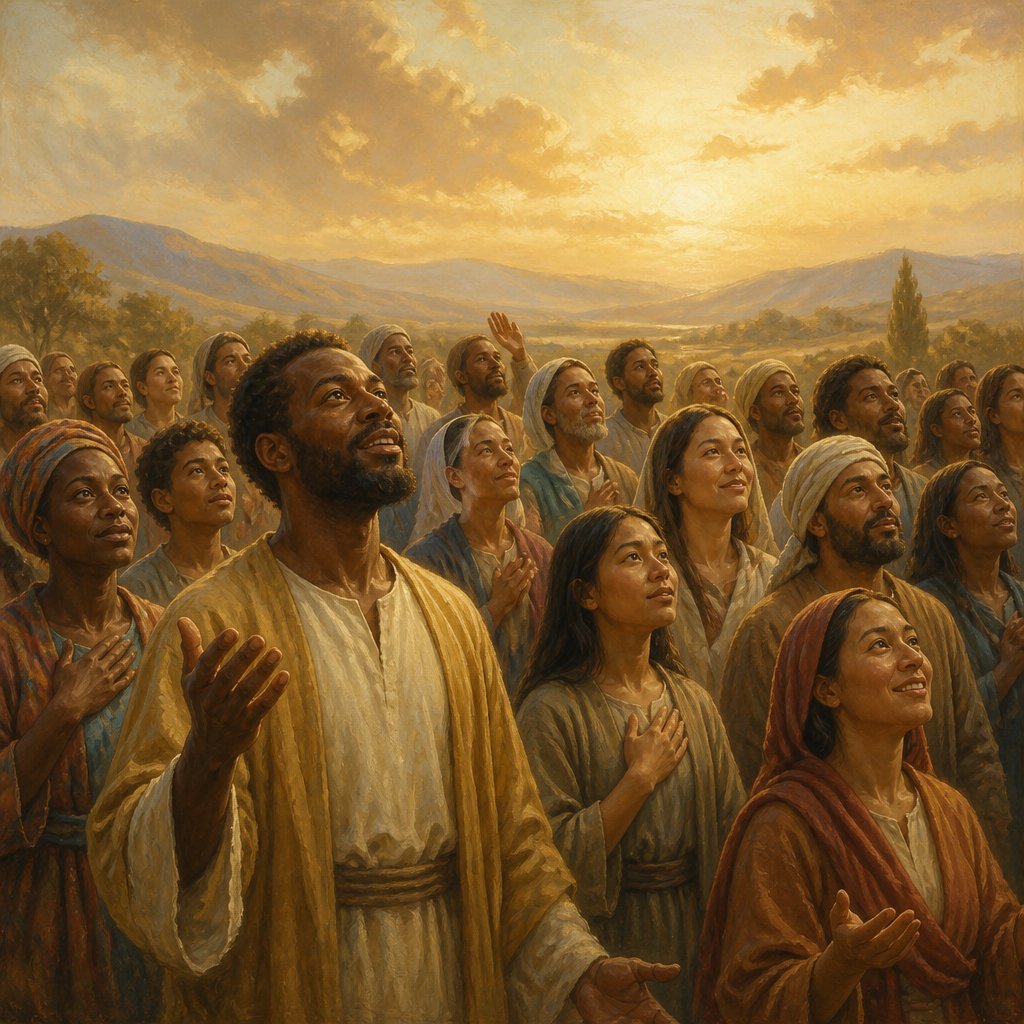
Romans 15:11 (KJV) states, "And again, Praise the Lord, all ye Gentiles; and laud him, all ye people."
This verse is part of a broader passage in the book of Romans, in which the apostle Paul is encouraging the Romans to be united in Christ. He is addressing the Gentile believers in Rome, urging them to welcome and embrace one another despite their differences. In this particular verse, Paul is quoting from the Old Testament to support his exhortation. The original quote comes from Psalm 117:1, which is the shortest chapter in the Bible and is a hymn of praise.
The use of the word "again" at the beginning of the verse shows that Paul is reinforcing a message he has previously expressed. He wants to emphasize that the praise of the Lord should not be limited to one group, but should be inclusive of all people, regardless of their background or ethnicity. This is in line with the overarching theme of unity in the book of Romans, as Paul seeks to break down the barriers that divide different groups within the Christian community.
The mention of "Gentiles" specifically is significant because it highlights the inclusion of non-Jewish believers in the worship and praise of God. In the context of the early Church, this would have been a revolutionary message, as the Jewish and Gentile communities often struggled to coexist. By quoting from the Old Testament, Paul is emphasizing the continuity of God's plan for all people, regardless of their heritage. He is making a clear statement that the Gentiles are an integral part of God's redemptive work and should be celebrated as such.
The use of the word "praise" in this verse is noteworthy because it conveys a sense of exuberant worship and adoration. It is a call for all people to lift up their voices in honor of God, recognizing His greatness and goodness. The word "laud" also carries a similar connotation, suggesting an enthusiastic and public celebration of God's attributes.
The broader context of this verse within the book of Romans is important for understanding its significance. Throughout the letter, Paul addresses numerous issues facing the early Christian community, including disagreement over dietary laws, disputes between Jewish and Gentile believers, and the need for mutual acceptance and understanding. In the preceding verses, Paul stresses the importance of unity and mutual edification within the body of Christ. By quoting from the Old Testament, he demonstrates the continuity of God's plan for all believers, regardless of their background.
Symbolically, this verse represents the universal nature of God's redemptive work. It embodies the idea that all people, regardless of their ethnicity or cultural background, are invited to participate in the worship and praise of God. It speaks to the inclusivity of the Gospel message and the reconciling work of Jesus Christ, who tore down the dividing wall of hostility between different groups (Ephesians 2:14).
In conclusion, Romans 15:11 is a powerful reminder of the universal scope of God's plan for redemption. It calls for all people, both Gentiles and Jews, to join together in praising and honoring God. Through this verse, Paul emphasizes the importance of unity and inclusivity within the body of Christ, encouraging believers to set aside their differences and come together in worship. This message remains relevant for Christian communities today, as we seek to live out the Gospel message in a diverse and divided world.
Get our apps


Artwork for Romans 15:11

Romans 15:11 - "And again, Praise the Lord, all ye Gentiles; and laud him, all ye people."
"And again, Praise the Lord, all ye Gentiles; and laud him, all ye people." - Romans 15:11

Romans 11:15 - "For if the casting away of them be the reconciling of the world, what shall the receiving of them be, but life from the dead?"

Romans 11:11
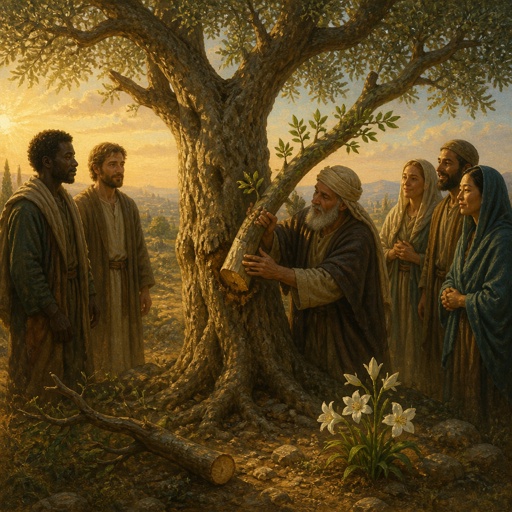
"For if the casting away of them be the reconciling of the world, what shall the receiving of them be, but life from the dead?" - Romans 11:15

Romans 11:18

Romans 11:18

Romans 11:18

Romans 11:18

Romans 11:18

Romans 11:18

Romans 11:18

Romans 8:11

Romans 10:13-15

Romans 15:4-6

Romans 8:15-16

Romans 5: 1-11

Romans 11:25-32

Romans 3:15 - "Their feet are swift to shed blood:"

John 1:1-5

John 1:1-5

Romans 2:11 - "For there is no respect of persons with God."

Romans 5: 1-11

Romans 11:29 - "For the gifts and calling of God are without repentance."

Romans 15:33 - "Now the God of peace be with you all. Amen."

Romans 12:15 - "Rejoice with them that do rejoice, and weep with them that weep."

Romans 4:15 - "Because the law worketh wrath: for where no law is, there is no transgression."

Romans 15:25 - "But now I go unto Jerusalem to minister unto the saints."

Romans 15:10 - "And again he saith, Rejoice, ye Gentiles, with his people."

Romans 3:11 - "There is none that understandeth, there is none that seeketh after God."