What does Romans 16:7 mean?
“Salute Andronicus and Junia, my kinsmen, and my fellowprisoners, who are of note among the apostles, who also were in Christ before me.” — Romans 16:7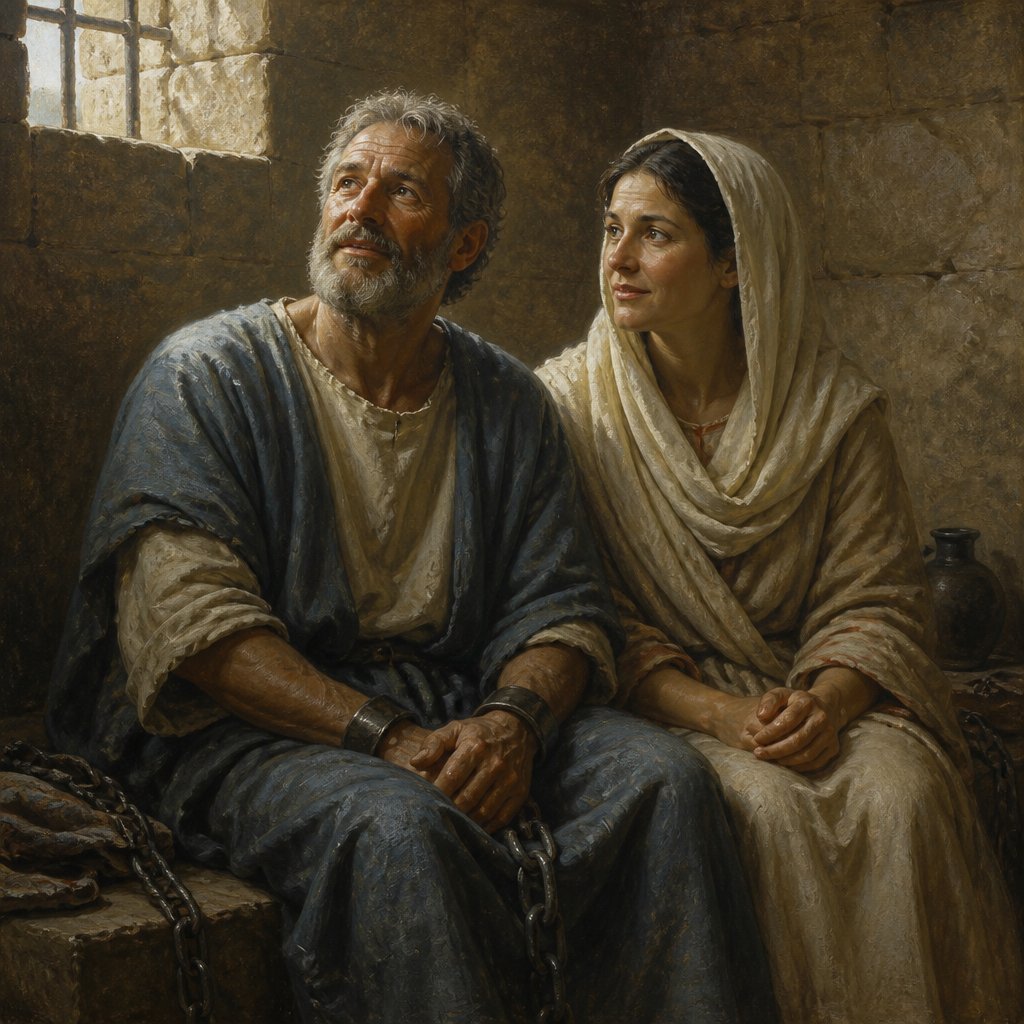
Romans 16:7 in the King James Version of the Bible states, "Salute Andronicus and Junia, my kinsmen, and my fellowprisoners, who are of note among the apostles, who also were in Christ before me." This simple verse holds a wealth of meaning and significance within the broader context of the book of Romans and the Christian faith as a whole.
First and foremost, it is important to understand the context in which this verse is situated. The book of Romans is one of the apostle Paul's most comprehensive and systematic letters, addressing the nature of salvation, the righteousness of God, and the role of faith in the life of a believer. In the latter half of the book, Paul takes the time to send greetings to various individuals within the Christian community, and it is within this section that we find the mention of Andronicus and Junia.
The mention of these two individuals is significant for a number of reasons. Firstly, it is notable that Paul refers to them as his "kinsmen" and "fellowprisoners." This indicates a close relationship between these individuals and Paul himself, suggesting that they may have been involved in his ministry and the spreading of the gospel. Additionally, the fact that they are described as "of note among the apostles" and as being "in Christ before me" indicates that they held a position of significant influence and importance within the early Christian community. This is a noteworthy point, as it challenges the traditional understanding of the role of women within the early church, and suggests that women played a prominent and influential role in the spread of the gospel.
The naming of Andronicus and Junia also serves as a reminder of the diversity and inclusivity of the early Christian community. The fact that Paul specifically mentions these individuals by name indicates that they were valued and recognized members of the church, and their inclusion in the greetings suggests that they were esteemed and respected within the broader Christian community. This emphasis on the diverse and inclusive nature of the early church is a recurring theme within the book of Romans, as Paul emphasizes the equality of all believers in the eyes of God, regardless of their background or status.
Symbolically, the mention of Andronicus and Junia serves as a reminder of the foundational principles of the Christian faith. Their inclusion in the greetings highlights the importance of unity, collaboration, and mutual respect within the body of believers. It also serves as a reminder of the significant role that individuals from diverse backgrounds and experiences play in the broader mission of spreading the gospel and building up the church. Furthermore, the fact that they are described as being "in Christ before me" emphasizes the timeless and universal nature of the Christian faith, reaching back to the earliest days of the church and extending into the present day.
In conclusion, Romans 16:7 holds a significant and multifaceted meaning within the broader context of the book of Romans and the Christian faith as a whole. It serves as a reminder of the diverse and inclusive nature of the early Christian community, challenges traditional understandings of gender roles within the church, and emphasizes the foundational principles of unity, collaboration, and mutual respect within the body of believers. As such, this verse continues to hold relevance and significance for Christians today, serving as a reminder of the timeless and universal nature of the Christian faith.
Get our apps


Artwork for Romans 16:7

Romans 16:7 - "Salute Andronicus and Junia, my kinsmen, and my fellowprisoners, who are of note among the apostles, who also were in Christ before me."
"Salute Andronicus and Junia, my kinsmen, and my fellowprisoners, who are of note among the apostles, who also were in Christ before me." - Romans 16:7

Romans 7:16 - "If then I do that which I would not, I consent unto the law that it is good."

"If then I do that which I would not, I consent unto the law that it is good." - Romans 7:16

Romans 8:16

Romans 16:17

Romans 16:17

Romans 16:17

Romans 16:16 - "Salute one another with an holy kiss. The churches of Christ salute you."

Romans 8:15-16

Romans 3:16 - "Destruction and misery are in their ways:"

Romans 7:19

Romans 7:12

Romans 16:8 - "Greet Amplias my beloved in the Lord."

Romans 14:16 - "Let not then your good be evil spoken of:"

Romans 1:16 to the Jew first

Romans 16:6 - "Greet Mary, who bestowed much labour on us."

Romans 16:3 - "Greet Priscilla and Aquila my helpers in Christ Jesus:"

Romans 16:13 - "Salute Rufus chosen in the Lord, and his mother and mine."

"Destruction and misery are in their ways:" - Romans 3:16

Romans 16:24 - "The grace of our Lord Jesus Christ be with you all. Amen."

Romans 16:9 - "Salute Urbane, our helper in Christ, and Stachys my beloved."

Romans 16:22 - "I Tertius, who wrote this epistle, salute you in the Lord."

Romans 6:7 - "For he that is dead is freed from sin."

Romans 16:14 - "Salute Asyncritus, Phlegon, Hermas, Patrobas, Hermes, and the brethren which are with them."

Romans 16:27 - "To God only wise, be glory through Jesus Christ for ever. Amen."

Romans 11:16 - "For if the firstfruit be holy, the lump is also holy: and if the root be holy, so are the branches."

Romans 9:16 - "So then it is not of him that willeth, nor of him that runneth, but of God that sheweth mercy."

Romans 8:16 - "The Spirit itself beareth witness with our spirit, that we are the children of God:"

Romans 16:10 - "Salute Apelles approved in Christ. Salute them which are of Aristobulus' household."