What does Romans 2:1 mean?
“Therefore thou art inexcusable, O man, whosoever thou art that judgest: for wherein thou judgest another, thou condemnest thyself; for thou that judgest doest the same things.” — Romans 2:1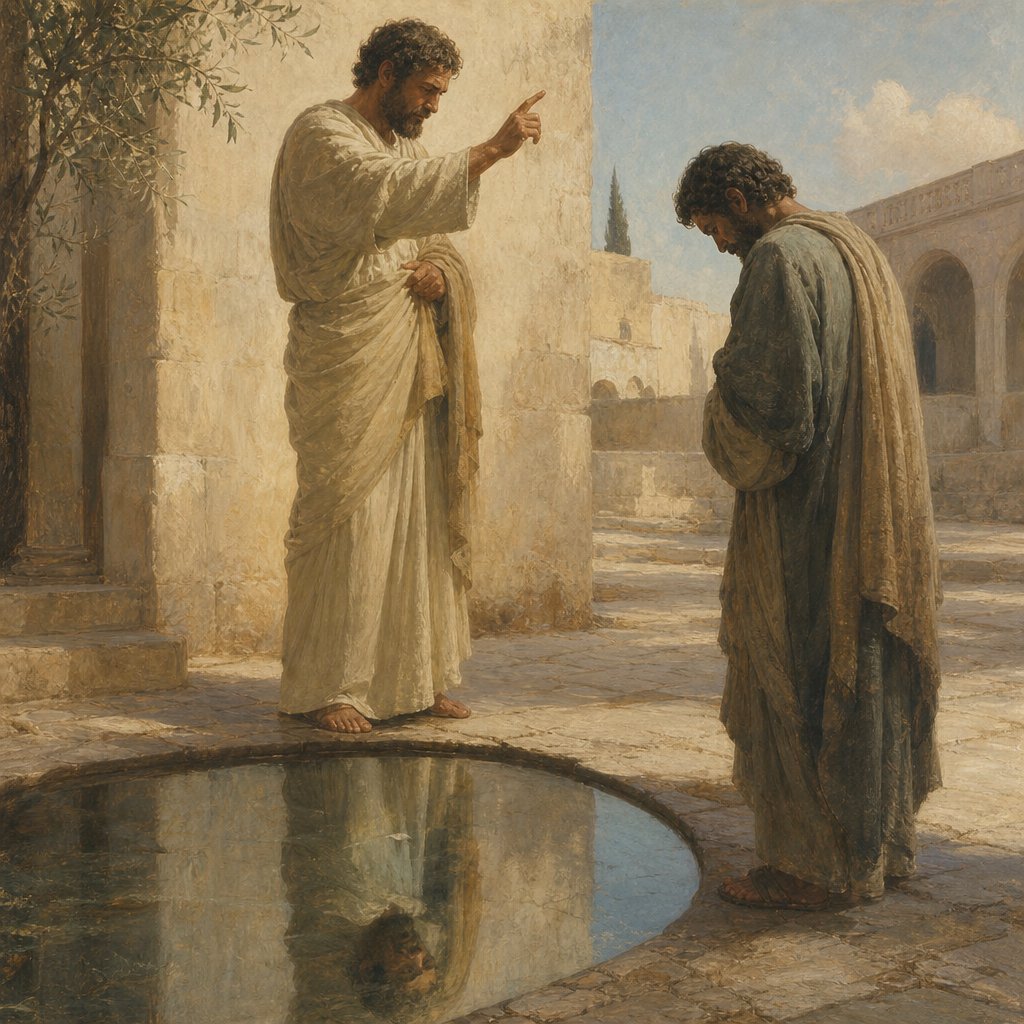
Romans 2:1 from the King James Version of the Bible reads, "Therefore thou art inexcusable, O man, whosoever thou art that judgest: for wherein thou judgest another, thou condemnest thyself; for thou that judgest doest the same things." This verse is a powerful reminder to all believers about the dangers of hypocrisy and the importance of humility in our judgments of others. It is a caution against the self-righteousness and arrogance that can often creep into our hearts and minds as we interact with those around us.
In this verse, the Apostle Paul is addressing the Roman church, specifically focusing on the issue of judgmentalism. He begins by declaring that no one has an excuse for passing judgment on others. This alludes to the fact that we are all sinners and have fallen short of the glory of God (Romans 3:23). By acknowledging our own sinfulness, we are reminded of the grace and mercy that God has shown us through Christ. Therefore, we have no right to condemn or judge others, as we are all equally in need of God's forgiveness and redemption.
Paul continues by explaining that when we judge others, we are ultimately condemning ourselves. This is because the standard by which we judge others will also be applied to us. If we are quick to point out the faults and shortcomings of others, we are essentially acknowledging our own sinfulness and need for grace. Our judgment of others reveals our own heart condition and exposes our own propensity towards the same sins we criticize in others.
This verse challenges us to take a hard look at our own attitudes and behaviors. It prompts us to examine our hearts and motivations when we are tempted to judge others. It also encourages us to practice humility and grace in our interactions with those around us, remembering that we are all in desperate need of God's mercy.
One of the key themes in this verse is the importance of humility. Jesus also spoke about this when he said, "Do not judge, or you too will be judged. For in the same way you judge others, you will be judged, and with the measure you use, it will be measured to you" (Matthew 7:1-2). This echoes the sentiment expressed by Paul in Romans 2:1, emphasizing the need for a humble and non-judgmental attitude towards others.
Additionally, the verse highlights the universal human condition of sinfulness. It reminds us that we are all in need of God's grace and forgiveness, and that none of us has the right to condemn or judge others. This calls for a compassion and understanding towards those who may not meet our standards or expectations, recognizing that we also fall short in various ways.
In terms of context, the book of Romans was written by the Apostle Paul to the church in Rome. It is one of Paul's most detailed and systematic presentations of the Gospel and provides profound insights into the nature of sin, salvation, and the Christian life. The broader context of Romans 2 addresses the issue of God's impartial judgment and the need for genuine repentance and faith.
Symbolically, this verse can be seen as a mirror that reflects our own hearts and attitudes. It serves as a reminder of our need for humility and grace as we navigate our relationships with others. It also points to the ultimate standard of God's judgment, calling us to align our hearts with His mercy and love.
In conclusion, Romans 2:1 from the King James Version of the Bible is a powerful and convicting verse that challenges us to examine our own hearts and attitudes towards others. It reminds us of the dangers of hypocrisy and the need for humility in our interactions with those around us. It also points to the universal human condition of sinfulness and our desperate need for God's grace and mercy. As we meditate on this verse, may we be inspired to approach others with a spirit of compassion, understanding, and grace, knowing that we too are in need of God's forgiveness and redemption.
Get our apps


Artwork for Romans 2:1

Romans 2:1 - "Therefore thou art inexcusable, O man, whosoever thou art that judgest: for wherein thou judgest another, thou condemnest thyself; for thou that judgest doest the same things."

Romans 2:1-3 - "You, therefore, have no excuse, you who pass judgment on someone else, for at whatever point you judge another, you are condemning yourself, because you who pass judgment do the same things. Now we know that God’s judgment against those who do such things is based on truth. So when you, a mere human being, pass judgment on them and yet do the same things, do you think you will escape God’s judgment?"

"Therefore thou art inexcusable, O man, whosoever thou art that judgest: for wherein thou judgest another, thou condemnest thyself; for thou that judgest doest the same things." - Romans 2:1

"You, therefore, have no excuse, you who pass judgment on someone else, for at whatever point you judge another, you are condemning yourself, because you who pass judgment do the same things. Now we know that God’s judgment against those who do such things is based on truth. So when you, a mere human being, pass judgment on them and yet do the same things, do you think you will escape God’s judgment?" - Romans 2:1-3

Romans 2:4

romans 12:1-2

Romans 12:1-2

Romans 1:2 - "(Which he had promised afore by his prophets in the holy scriptures,)"

Romans 12:2

Romans 12:2

Romans 12:2

Romans 12:2

Romans 12:2

Romans 12:2

Romans 12:2

Romans 12:2

Romans 12:2

Romans 12:2

Romans 12:2

Romans 12:2

Romans 12:2

Romans 12:2

Romans 12:2

Romans 12:2

Romans 12:2

Romans 15:1-2 - "We who are strong ought to bear with the failings of the weak and not to please ourselves. Each of us should please our neighbors for their good, to build them up."

Romans 1

"(Which he had promised afore by his prophets in the holy scriptures,)" - Romans 1:2

Romans 12:2

Romans 12:2