What does Romans 2:14 mean?
“For when the Gentiles, which have not the law, do by nature the things contained in the law, these, having not the law, are a law unto themselves:” — Romans 2:14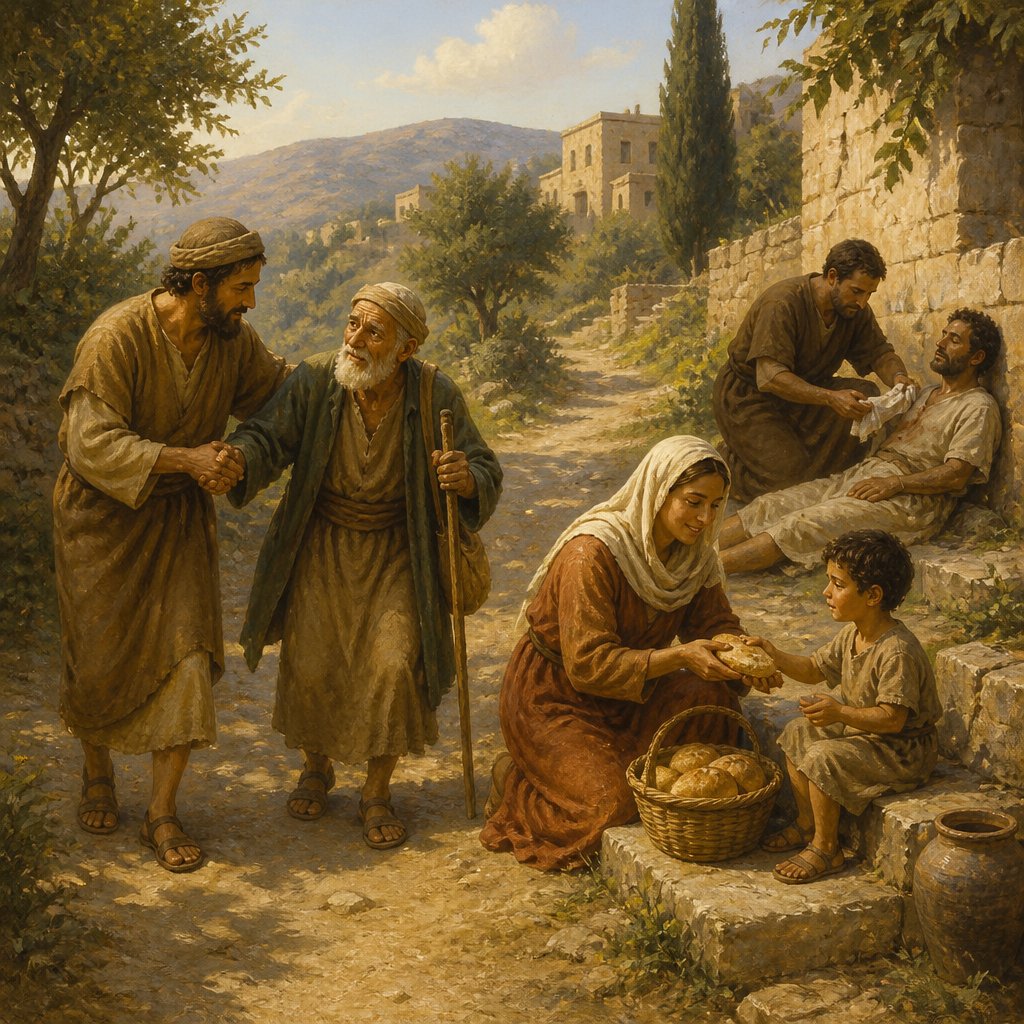
Romans 2:14 (KJV) states: "For when the Gentiles, which have not the law, do by nature the things contained in the law, these, having not the law, are a law unto themselves."
This verse is part of a larger passage where the apostle Paul is addressing the Jews and Gentiles in Rome. In this particular verse, Paul is arguing that Gentiles who do not have the Mosaic Law are still accountable for their actions because they have a basic understanding of right and wrong through their conscience.
The verse raises several important themes and questions, including the relationship between the Mosaic Law and the conscience, the nature of sin and accountability, and the inclusion of Gentiles in God's plan of redemption.
One of the key themes in this verse is the idea of the law written on the hearts of Gentiles. Paul is suggesting that the Gentiles, even though they do not have the written Mosaic Law, still have a sense of right and wrong. This raises the question of where this moral sense comes from. Some scholars interpret this as evidence of the universal moral law that is present in all human beings, regardless of their religious or cultural background. Others see it as evidence of the work of the Holy Spirit, who convicts people of sin and righteousness.
Another theme in this verse is the issue of accountability. Paul argues that even though the Gentiles do not have the Mosaic Law, they are still accountable for their actions. This is an important point in Paul's argument, as he is trying to show that both Jews and Gentiles are accountable before God. This notion of accountability ties in with the larger themes of judgment and righteousness that Paul addresses throughout the book of Romans.
A related theme is the question of the inclusion of Gentiles in God's plan of redemption. Paul is keen to show that God's righteousness is available to all, regardless of their religious background. This is a radical idea in the context of the Roman world, where religious identity was highly significant. Paul's argument here lays the groundwork for his later discussion of the inclusion of Gentiles in the family of God.
In terms of historical and cultural context, it is important to note that Paul is writing to a mixed audience of Jews and Gentiles in Rome. The issue of the relationship between the Mosaic Law and Gentile believers would have been a significant point of tension in the early Christian community. Paul's argument here is part of his larger mission to show that the gospel is for all people, not just for Jews.
In terms of symbolism, the verse can be seen as symbolizing the universal nature of God's moral law. It suggests that there is a fundamental moral order that is accessible to all people, regardless of their religious background. This ties in with Paul's later discussion of the righteousness of God, which is available to all who have faith.
In conclusion, Romans 2:14 is a rich and complex verse that raises important questions about the relationship between the Mosaic Law and the conscience, the nature of sin and accountability, and the inclusion of Gentiles in God's plan of redemption. The verse is significant in its emphasis on the universal moral law and the accountability of all people before God. It also sets the stage for Paul's larger argument about the inclusion of Gentiles in the family of God.
Get our apps


Artwork for Romans 2:14

Romans 2:14 - "For when the Gentiles, which have not the law, do by nature the things contained in the law, these, having not the law, are a law unto themselves:"
"For when the Gentiles, which have not the law, do by nature the things contained in the law, these, having not the law, are a law unto themselves:" - Romans 2:14

Romans 14:2 - "For one believeth that he may eat all things: another, who is weak, eateth herbs."

Romans 14:12

Romans 8:14

Romans 10:14

Romans 14:16 - "Let not then your good be evil spoken of:"

Romans 3:14 - "Whose mouth is full of cursing and bitterness:"

Romans 8:14 - "For as many as are led by the Spirit of God, they are the sons of God."
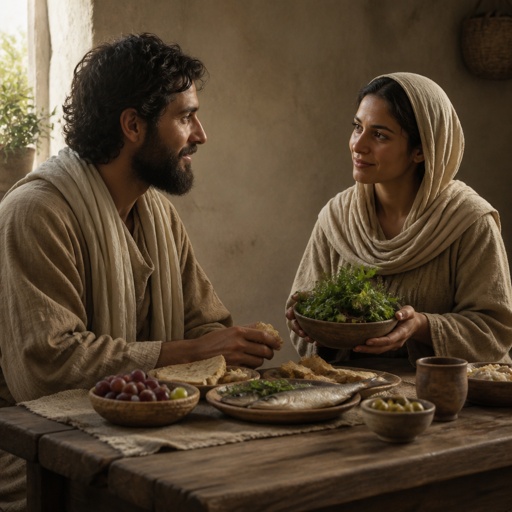
"For one believeth that he may eat all things: another, who is weak, eateth herbs." - Romans 14:2

Romans 14:7 - "For none of us liveth to himself, and no man dieth to himself."

depict the theme of Romans 13:8-14

Romans 14:1 - "Him that is weak in the faith receive ye, but not to doubtful disputations."

Romans 12:14 - "Bless them which persecute you: bless, and curse not."

Romans 9:14 - "What shall we say then? Is there unrighteousness with God? God forbid."

Romans 14:18 - "For he that in these things serveth Christ is acceptable to God, and approved of men."

Romans 14:14 - "I know, and am persuaded by the Lord Jesus, that there is nothing unclean of itself: but to him that esteemeth any thing to be unclean, to him it is unclean."

Romans 14:12 - "So then every one of us shall give account of himself to God."

Romans 1:14 - "I am debtor both to the Greeks, and to the Barbarians; both to the wise, and to the unwise."

Romans 12:2

Romans 12:2

Romans 12:2

Romans 12:2

Romans 12:2

Romans 12:2
Romans 12:2

Romans 16:14 - "Salute Asyncritus, Phlegon, Hermas, Patrobas, Hermes, and the brethren which are with them."

Romans 14:17 - "For the kingdom of God is not meat and drink; but righteousness, and peace, and joy in the Holy Ghost."

Romans 12:2

Romans 12:2