What does Romans 2:3 mean?
“And thinkest thou this, O man, that judgest them which do such things, and doest the same, that thou shalt escape the judgment of God?” — Romans 2:3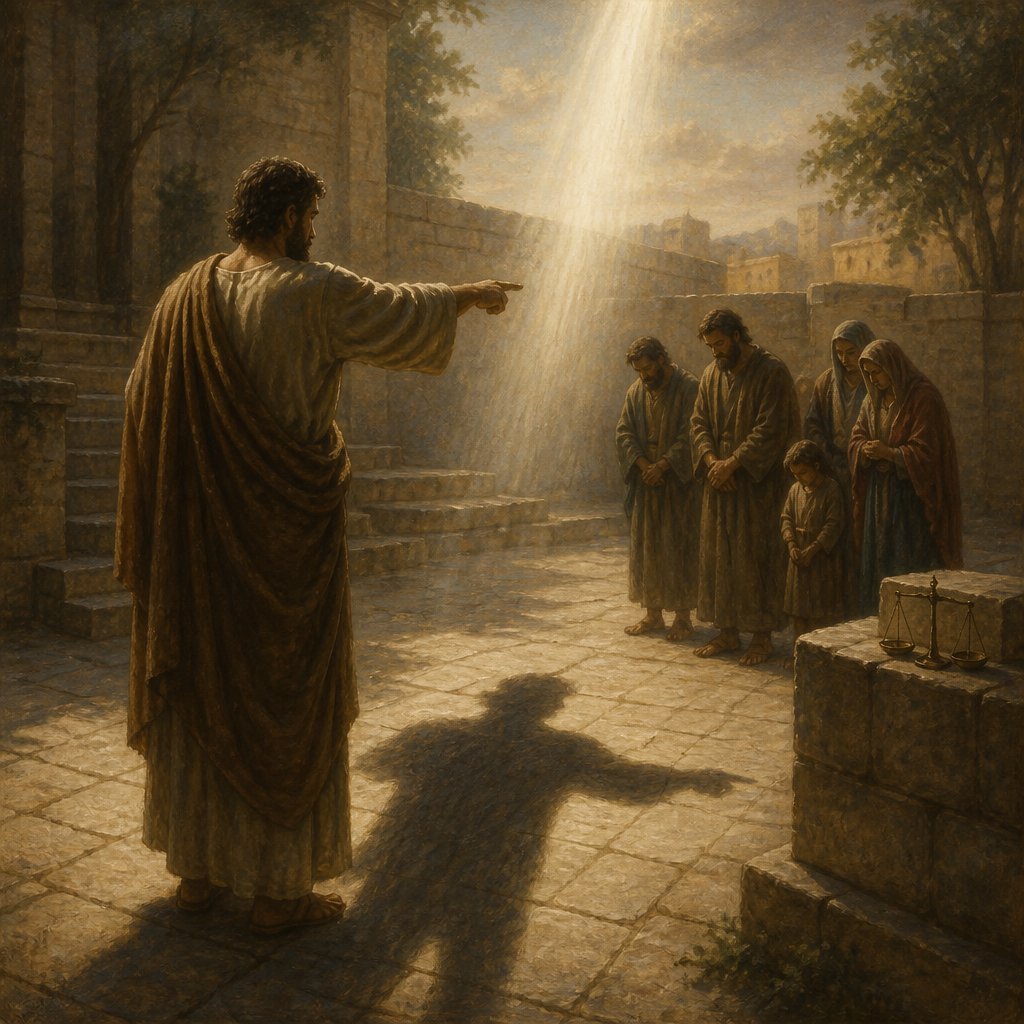
Romans 2:3 in the King James Version of the Bible states, "And thinkest thou this, O man, that judgest them which do such things, and doest the same, that thou shalt escape the judgment of God?" This verse is part of a larger section in the book of Romans, where the apostle Paul is addressing the hypocrisy of the Jews who were quick to judge others but failed to see their own sinfulness.
The overarching theme of Romans 2:3 is the concept of judgment and hypocrisy. Paul is speaking directly to those who think they are in a position to judge others, yet fail to recognize their own faults and sinfulness. This verse carries a powerful message about the dangers of hypocrisy and the consequences of judging others without taking an honest look at one's own behavior.
In the context of the larger passage, Paul is making a case for the sinfulness of all humanity. He argues that both Jews and Gentiles are equally subject to God's judgment, and that none are exempt from the consequences of sin. In verse 1, Paul questions those who pass judgment on others, and in verse 2, he explains that God's judgment is based on truth and not on the outward appearance. Then in verse 3, Paul directly challenges the hypocrisy of those who judge others while engaging in the same sinful behavior.
The verse begins with a rhetorical question, "And thinkest thou this, O man, that judgest them which do such things, and doest the same, that thou shalt escape the judgment of God?" This question is designed to provoke self-reflection and introspection. It forces the reader to consider the contradictions in their own behavior and beliefs. The implication is that those who judge others while engaging in the same behavior cannot escape the judgment of God.
The use of the word "thou" in the verse speaks directly to the individual reader, creating a sense of personal accountability. Paul is challenging the reader to examine their own actions and attitudes, rather than focusing on the faults of others. The verse serves as a reminder that judgment belongs to God alone, and that true righteousness comes from acknowledging one's own sinfulness and seeking forgiveness.
In terms of symbolism, the verse can be interpreted as a mirror reflecting the true nature of the self. Those who judge others without examining their own hearts are like individuals who look into a mirror and immediately forget what they look like (James 1:23-24). The hypocrisy of the self-righteous is compared to a false image, which hides the truth about one's own sinful nature.
Overall, Romans 2:3 carries a powerful message about the dangers of hypocrisy and the need for self-examination. It addresses the universal human tendency to judge others while overlooking one's own faults. The verse serves as a reminder of the impartiality of God's judgment and the importance of humility and self-awareness. It challenges the reader to engage in honest introspection and to seek forgiveness for their own sins, rather than focusing on the faults of others. Ultimately, the verse emphasizes the need for genuine repentance and the recognition of God's righteous judgment.
Get our apps


Artwork for Romans 2:3

Romans 2:3 - "And thinkest thou this, O man, that judgest them which do such things, and doest the same, that thou shalt escape the judgment of God?"
"And thinkest thou this, O man, that judgest them which do such things, and doest the same, that thou shalt escape the judgment of God?" - Romans 2:3

Romans 3:2 - "Much every way: chiefly, because that unto them were committed the oracles of God."

Romans 4:3

Romans 3:24

Romans 3:16 - "Destruction and misery are in their ways:"

Romans 3:17 - "And the way of peace have they not known:"
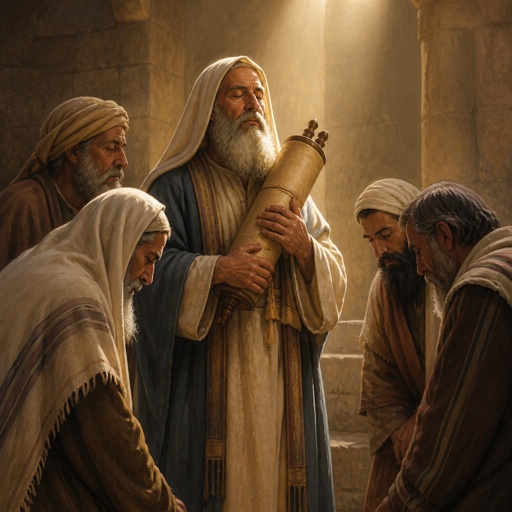
"Much every way: chiefly, because that unto them were committed the oracles of God." - Romans 3:2

Romans 3:15 - "Their feet are swift to shed blood:"

Romans 3:10 - "As it is written, There is none righteous, no, not one:"

Romans 3:18 - "There is no fear of God before their eyes."

Romans 3:3 - "For what if some did not believe? shall their unbelief make the faith of God without effect?"

Romans 3:14 - "Whose mouth is full of cursing and bitterness:"

Romans 12:2

Romans 12:2

Romans 12:2

Romans 12:2

Romans 12:2

Romans 12:2

Romans 12:2

Romans 12:2

Romans 12:2

Romans 12:2

Romans 12:2

Romans 12:2

Romans 12:2

Romans 12:2

Romans 12:2

Romans 3:11 - "There is none that understandeth, there is none that seeketh after God."

Romans 16:3 - "Greet Priscilla and Aquila my helpers in Christ Jesus:"