What does Romans 2:9 mean?
“Tribulation and anguish, upon every soul of man that doeth evil, of the Jew first, and also of the Gentile;” — Romans 2:9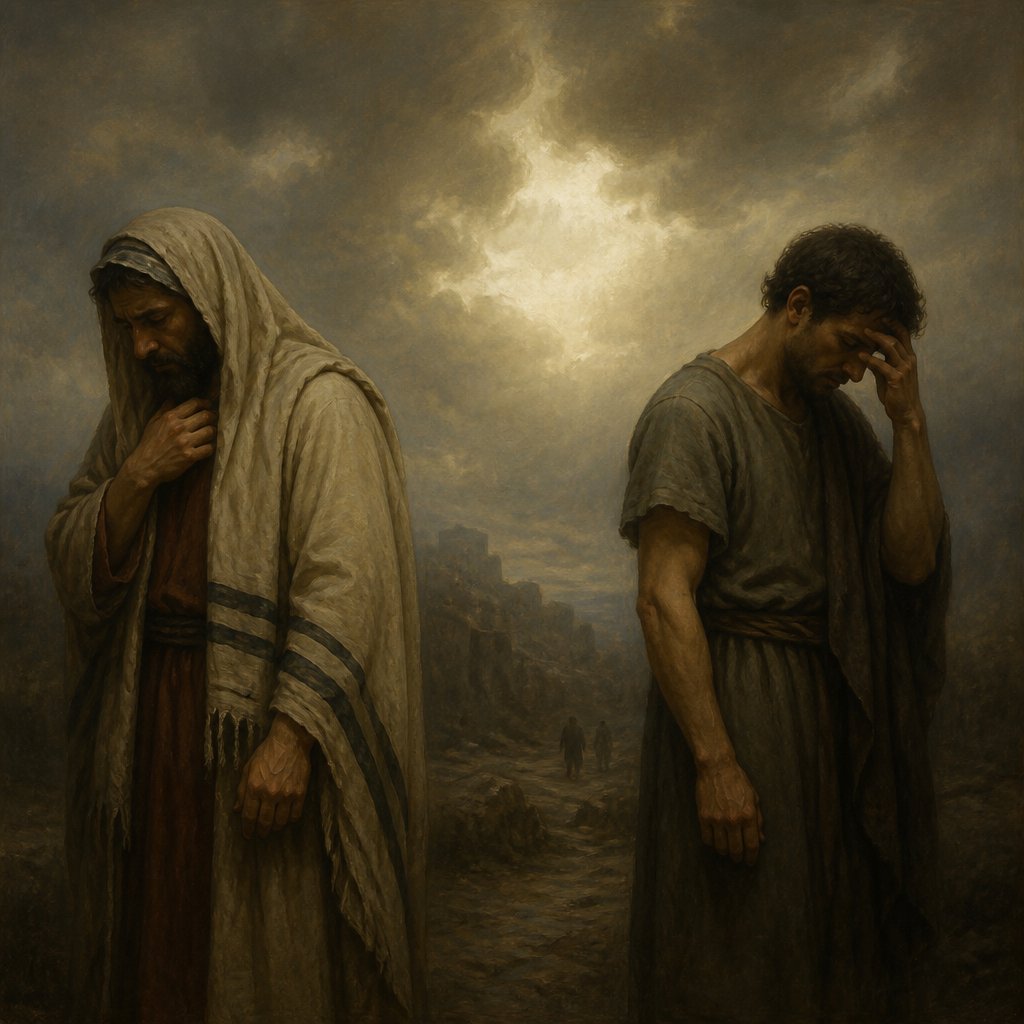
Romans 2:9 in the King James Version of the Bible states, "Tribulation and anguish, upon every soul of man that doeth evil, of the Jew first, and also of the Gentile." This verse is part of a larger passage in which the apostle Paul discusses the righteousness of God and judgement of those who sin. In this particular verse, Paul is emphasizing the universal nature of God's judgement, which applies to both Jews and Gentiles.
The theme of judgement is central to this verse, as Paul is warning his audience of the consequences of doing evil. He is pointing out that all people, regardless of their background or religious affiliation, will face tribulation and anguish if they align themselves with evil. This is a sobering reminder of the impartiality of God's judgement, and it reinforces the idea that no one is exempt from being held accountable for their actions.
The context of this verse is important to understanding its full meaning. In the preceding verses, Paul is addressing the hypocrisy of those who judge others while failing to live up to the same standards themselves. He is challenging the self-righteousness and arrogance of the Jewish people, who believed themselves to be superior to the Gentiles because of their heritage and adherence to the law. Paul is making it clear that God's judgement does not discriminate based on ethnicity or religious affiliation, but rather on the moral character and actions of individuals.
The use of the phrase "Tribulation and anguish" in this verse is symbolic of the suffering and distress that will befall those who do evil. It conveys a sense of punishment and retribution, serving as a warning to those who would stray from the path of righteousness. This imagery is powerful and evocative, driving home the severity of the consequences for choosing to do evil.
Furthermore, the mention of the Jew first and also of the Gentile underscores the universal applicability of God's judgement. Paul is emphasizing that no one is exempt from facing the consequences of their actions, regardless of their religious or cultural background. This serves to level the playing field and dismantle any sense of superiority or privilege that the Jews might have felt due to their heritage.
In a broader theological sense, this verse also speaks to the concept of divine justice. It reinforces the idea that God is fair and impartial in his judgement, and that he holds all people accountable for their actions. This aligns with the overall message of the apostle Paul's teachings, which emphasize the universality of sin and the need for all people to seek redemption through faith in Christ.
In conclusion, Romans 2:9 in the King James Version of the Bible carries a weighty and profound message about the universal nature of God's judgement. It serves as a sobering reminder of the consequences of doing evil and emphasizes the impartiality of divine justice. The themes of judgement, righteousness, and accountability are central to this verse, and its context within the broader passage further reinforces its significance. This verse is a powerful and timeless admonition to all people to heed the call to moral uprightness and seek redemption through faith in Christ.
Get our apps


Artwork for Romans 2:9

Romans 2:9 - "Tribulation and anguish, upon every soul of man that doeth evil, of the Jew first, and also of the Gentile;"
"Tribulation and anguish, upon every soul of man that doeth evil, of the Jew first, and also of the Gentile;" - Romans 2:9

Romans 9:2 - "That I have great heaviness and continual sorrow in my heart."

"That I have great heaviness and continual sorrow in my heart." - Romans 9:2

Romans 10:9

Romans 10:9

Romans 9:9 - "For this is the word of promise, At this time will I come, and Sara shall have a son."

Romans 9:12 - "It was said unto her, The elder shall serve the younger."

Romans 9:14 - "What shall we say then? Is there unrighteousness with God? God forbid."

Romans 12:2

Romans 12:2

Romans 12:2

Romans 12:2

Romans 12:2

Romans 12:2

Romans 12:2

Romans 12:2

Romans 12:2

Romans 12:2

Romans 12:2

Romans 12:2

Romans 12:2

Romans 12:2

Romans 12:2

Romans 16:9 - "Salute Urbane, our helper in Christ, and Stachys my beloved."

Romans 9:8 - "That is, They which are the children of the flesh, these are not the children of God: but the children of the promise are counted for the seed."

Romans 9:32 - "Wherefore? Because they sought it not by faith, but as it were by the works of the law. For they stumbled at that stumblingstone;"

Romans 9:13 - "As it is written, Jacob have I loved, but Esau have I hated."

Romans 9:16 - "So then it is not of him that willeth, nor of him that runneth, but of God that sheweth mercy."

Romans 2:4