What does Romans 3:4 mean?
“God forbid: yea, let God be true, but every man a liar; as it is written, That thou mightest be justified in thy sayings, and mightest overcome when thou art judged.” — Romans 3:4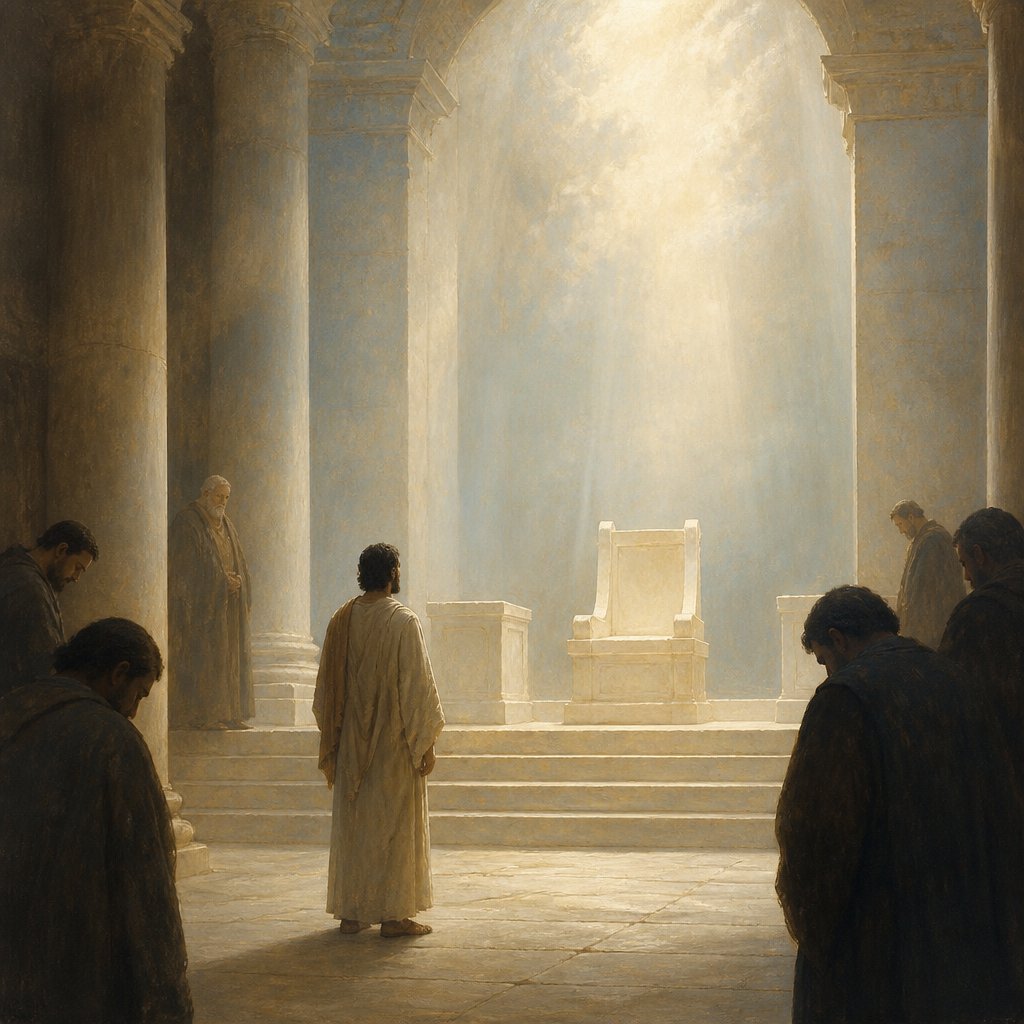
Romans 3:4 from the King James Version of the Bible says, "God forbid: yea, let God be true, but every man a liar; as it is written, That thou mightest be justified in thy sayings, and mightest overcome when thou art judged."
This verse is part of a larger passage in the Book of Romans where Paul is addressing the righteousness of God and the sinfulness of humanity. The context of this verse is a discussion about the faithfulness of God and the unfaithfulness of people. Paul is arguing that even when people are unfaithful, God remains true and just.
The verse begins with the phrase, "God forbid," which is a strong declaration of opposition to the idea that God could ever be unfaithful or untrue. This phrase sets the tone for the rest of the verse, emphasizing the absolute faithfulness and truthfulness of God.
The next part of the verse, "yea, let God be true, but every man a liar," further emphasizes the contrast between the faithfulness of God and the unfaithfulness of humanity. This statement reflects the belief that human beings are inherently sinful and prone to falsehood, while God is pure and trustworthy.
The verse then continues with, "as it is written, That thou mightest be justified in thy sayings, and mightest overcome when thou art judged." Here, Paul references the Old Testament, specifically Psalm 51:4, which says, "Against thee, thee only, have I sinned, and done this evil in thy sight: that thou mightest be justified when thou speakest, and be clear when thou judgest." This quotation reinforces the idea that God's righteousness and truthfulness are unassailable, and that He will be vindicated in His judgments.
Overall, Romans 3:4 conveys the idea that God's faithfulness and truthfulness are unwavering, regardless of the unfaithfulness and untruthfulness of human beings. It serves as a reminder of God's sovereignty and justice, and the need for humanity to recognize its own sinfulness and trust in the righteousness of God.
One of the key themes in this verse is the contrast between the faithfulness of God and the unfaithfulness of humanity. This theme emphasizes the fallen nature of humanity and the unwavering righteousness of God. It serves as a reminder of the need for redemption and salvation through faith in God.
Another important theme is the sovereignty and justice of God. The verse highlights the fact that God's judgments are just and righteous, and that He will ultimately be vindicated in His actions. This theme underscores the belief in God as the ultimate authority and the source of absolute truth.
The context of this verse within the Book of Romans is also significant. The letter to the Romans is one of the foundational texts of Christian theology, and it addresses the nature of sin, the need for salvation, and the righteousness of God. Within this broader context, Romans 3:4 reinforces the central themes of the letter and contributes to the overall message of the need for faith in God's righteousness.
In terms of symbolism, Romans 3:4 can be seen as representing the contrast between light and darkness, truth and falsehood, and righteousness and sin. The verse serves as a reminder of the inherent moral and spiritual distinctions between God and humanity, and the need for reconciliation through faith in God's righteousness.
In conclusion, Romans 3:4 from the King James Version of the Bible conveys a powerful message about the faithfulness and righteousness of God in contrast to the unfaithfulness and sinfulness of humanity. It emphasizes the themes of God's sovereignty and justice and serves as a reminder of the need for redemption and faith in God's righteousness. The verse is deeply rooted in the context of the Book of Romans and contributes to the larger theological themes of Christian doctrine.
Get our apps


Artwork for Romans 3:4

Romans 3:4 - "God forbid: yea, let God be true, but every man a liar; as it is written, That thou mightest be justified in thy sayings, and mightest overcome when thou art judged."
"God forbid: yea, let God be true, but every man a liar; as it is written, That thou mightest be justified in thy sayings, and mightest overcome when thou art judged." - Romans 3:4

Romans 4:3

Romans 4:3 - "For what saith the scripture? Abraham believed God, and it was counted unto him for righteousness."

Romans 5:3-4 - "And not only so, but we glory in tribulations also: knowing that tribulation worketh patience; And patience, experience; and experience, hope."

"For what saith the scripture? Abraham believed God, and it was counted unto him for righteousness." - Romans 4:3

Romans 3:3-4 - "For what if some were unfaithful? Will their unfaithfulness nullify God's faithfulness? Not at all! Let God be true, and every human being a liar. As it is written: "So that you may be proved right when you speak and prevail when you judge.""

"For what saith the scripture? Abraham believed God, and it was counted unto him for righteousness." - Romans 4:3

Romans 2:4

Romans 3:24

Romans 4:4 - "Now to him that worketh is the reward not reckoned of grace, but of debt."

Romans 3:16 - "Destruction and misery are in their ways:"

Romans 15:4-6

romans 12: 4-5

Romans 3:17 - "And the way of peace have they not known:"

Romans 5:4 - "And patience, experience; and experience, hope:"

Romans 4:22 - "And therefore it was imputed to him for righteousness."

Romans 3:15 - "Their feet are swift to shed blood:"

Romans 3:10 - "As it is written, There is none righteous, no, not one:"

Romans 3:18 - "There is no fear of God before their eyes."

Romans 3:3 - "For what if some did not believe? shall their unbelief make the faith of God without effect?"

Romans 3:14 - "Whose mouth is full of cursing and bitterness:"

"And not only so, but we glory in tribulations also: knowing that tribulation worketh patience; And patience, experience; and experience, hope." - Romans 5:3-4

Romans 4:8 - "Blessed is the man to whom the Lord will not impute sin."

Romans 3:11 - "There is none that understandeth, there is none that seeketh after God."

Romans 16:3 - "Greet Priscilla and Aquila my helpers in Christ Jesus:"

Romans 4:15 - "Because the law worketh wrath: for where no law is, there is no transgression."

Romans 10:4 - "For Christ is the end of the law for righteousness to every one that believeth."

Romans 4:23 - "Now it was not written for his sake alone, that it was imputed to him;"

Romans 3:1 - "What advantage then hath the Jew? or what profit is there of circumcision?"