What does Romans 4:19 mean?
"And being not weak in faith, he considered not his own body now dead, when he was about an hundred years old, neither yet the deadness of Sara's womb:" - Romans 4:19
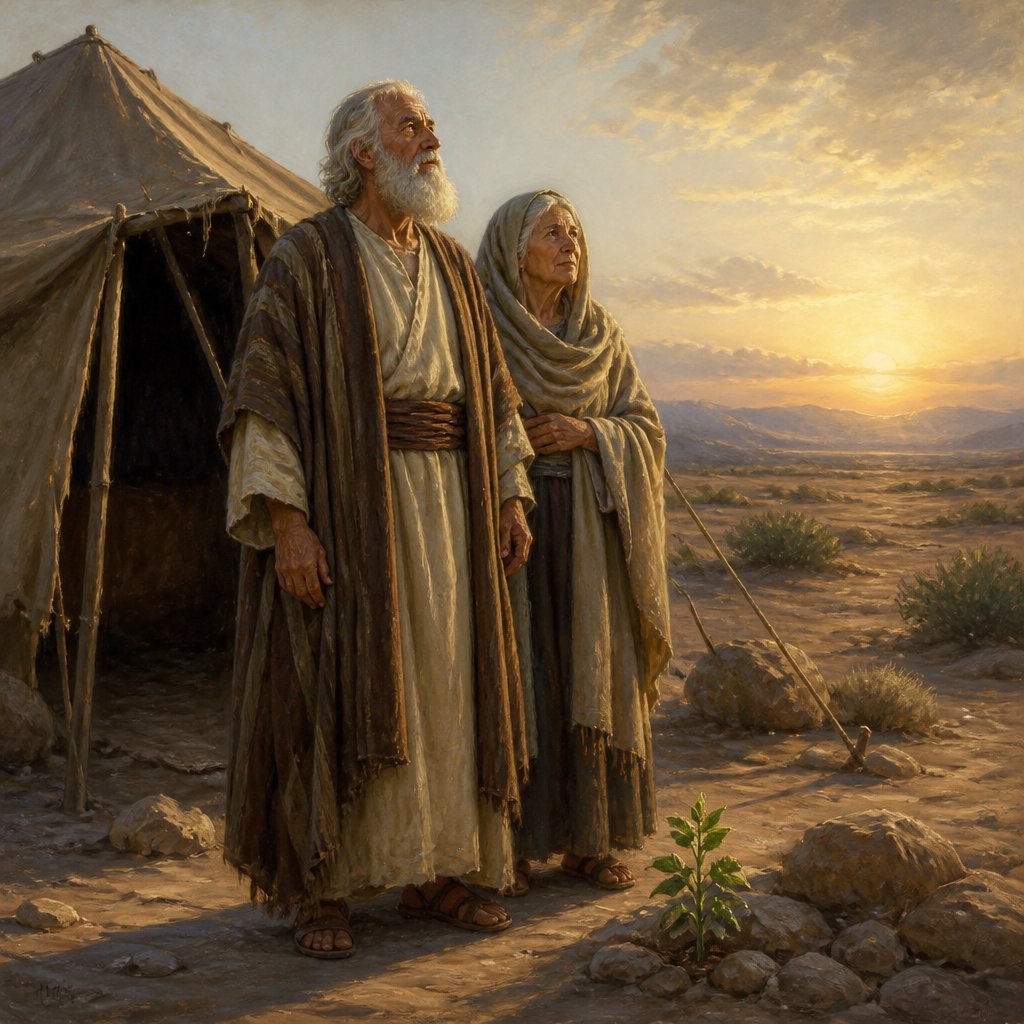
Romans 4:19 (KJV) states, "And being not weak in faith, he considered not his own body now dead, when he was about an hundred years old, neither yet the deadness of Sarah's womb." This verse is part of the larger passage in Romans 4 where the apostle Paul is discussing the faith of Abraham, the father of the Jewish people. In this passage, Paul uses Abraham as an example of faith and righteousness, and he emphasizes the importance of trusting in God's promises even when the circumstances seem impossible.
In this particular verse, Paul is highlighting Abraham's unwavering faith in God's promise to make him the father of many nations, despite the seemingly insurmountable obstacles he and his wife Sarah faced. At the time when God made this promise, Abraham was around 100 years old and Sarah was well past the age of childbearing. From a human perspective, it was impossible for them to have a child at this stage in their lives. However, Abraham did not waver in his faith or allow the impossibility of the situation to weaken his trust in God's promise.
The theme of faith in the face of seemingly insurmountable obstacles is central to this verse. Abraham's faith serves as a model for believers, demonstrating the kind of trust and confidence in God's promises that is essential for righteous living. It also speaks to the broader theme of God's ability to overcome the limitations and impossibilities of human circumstances. Despite the physical and biological barriers to Sarah conceiving a child, Abraham believed in God's power to fulfill His promise.
This verse also speaks to the broader theological concept of God's sovereignty and His ability to work beyond natural limitations. It underscores the idea that God's plans and purposes are not limited by human understanding or the constraints of the natural world. Even when faced with the apparent impossibility of a situation, believers are called to trust in God's power to bring about His will.
The context of this verse within the larger passage in Romans 4 is significant. Paul is writing to a diverse community of believers in Rome, including both Jewish and Gentile Christians. By using Abraham as an example of faith, Paul is emphasizing the continuity of God's plan throughout history and the inclusion of both Jews and Gentiles in God's redemptive work. He is also challenging the traditional Jewish understanding of righteousness based on obedience to the law, and asserting that true righteousness comes through faith in God's promises, as demonstrated by Abraham.
The symbolism in this verse is powerful, particularly in the imagery of life coming from death. Both Abraham and Sarah were well past the age of childbearing, and their bodies were essentially "dead" in terms of their ability to conceive and bear children. Yet from this seemingly dead state, God brought forth new life in the form of Isaac, the child of promise. This serves as a powerful symbol of God's ability to bring life and blessings from seemingly hopeless and impossible situations.
In conclusion, Romans 4:19 (KJV) is a rich and powerful verse that speaks to the themes of faith, God's sovereignty, and the ability of God to work beyond the limitations of human circumstances. It uses the example of Abraham and Sarah to illustrate the kind of unwavering trust in God's promises that is essential for righteous living. It challenges believers to have faith in the face of seemingly impossible obstacles and to trust in God's power to bring about His purposes. It also serves as a reminder of God's ability to bring life and blessing from seemingly dead and impossible situations.
Have questions about Romans 4:19?
Dive deeper into this scripture with Bible Chat — an AI-powered tool for exploring God's Word through conversation. Ask questions, get context, and grow in your understanding of the Bible.
Get Our Apps


Romans 4:19 Artwork

Romans 4:19 - "And being not weak in faith, he considered not his own body now dead, when he was about an hundred years old, neither yet the deadness of Sara's womb:"

Romans 4:19-21 - "And being not weak in faith, he considered not his own body now dead, when he was about an hundred years old, neither yet the deadness of Sarah's womb: He staggered not at the promise of God through unbelief; but was strong in faith, giving glory to God; And being fully persuaded that, what he had promised, he was able also to perform."
"And being not weak in faith, he considered not his own body now dead, when he was about an hundred years old, neither yet the deadness of Sara's womb:" - Romans 4:19
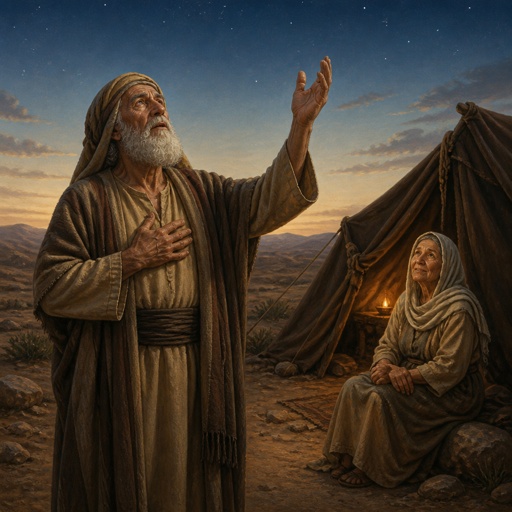
"And being not weak in faith, he considered not his own body now dead, when he was about an hundred years old, neither yet the deadness of Sarah's womb: He staggered not at the promise of God through unbelief; but was strong in faith, giving glory to God; And being fully persuaded that, what he had promised, he was able also to perform." - Romans 4:19-21

Romans 7:19

Romans 8:19

Romans 5:19

Romans 8:19

Romans 5:19

Romans 4:3

Romans 2:4

Romans 8:19 - "For the earnest expectation of the creature waiteth for the manifestation of the sons of God."

Romans 4:4 - "Now to him that worketh is the reward not reckoned of grace, but of debt."
romans 12: 4-5

Romans 11:19 - "Thou wilt say then, The branches were broken off, that I might be graffed in."

Romans 5:4 - "And patience, experience; and experience, hope:"

Romans 4:22 - "And therefore it was imputed to him for righteousness."

Romans 2:19 - "And art confident that thou thyself art a guide of the blind, a light of them which are in darkness,"

Romans 7:19 - "For the good that I would I do not: but the evil which I would not, that I do."

Romans 1:19 - "Because that which may be known of God is manifest in them; for God hath shewed it unto them."

Romans 4:8 - "Blessed is the man to whom the Lord will not impute sin."

Romans 4:15 - "Because the law worketh wrath: for where no law is, there is no transgression."

Romans 4:23 - "Now it was not written for his sake alone, that it was imputed to him;"

Romans 10:4 - "For Christ is the end of the law for righteousness to every one that believeth."

Romans 5:19 - "For as by one man's disobedience many were made sinners, so by the obedience of one shall many be made righteous."

Romans 4:7 - "Saying, Blessed are they whose iniquities are forgiven, and whose sins are covered."

"Now to him that worketh is the reward not reckoned of grace, but of debt." - Romans 4:4

Romans 4:10 - "How was it then reckoned? when he was in circumcision, or in uncircumcision? Not in circumcision, but in uncircumcision."

Romans 4:25 - "Who was delivered for our offences, and was raised again for our justification."

John 19:8 - "¶ When Pilate therefore heard that saying, he was the more afraid;"