What does Romans 4:7-8 mean?
“Saying, Blessed are they whose iniquities are forgiven, and whose sins are covered. Blessed is the man to whom the Lord will not impute sin.” — Romans 4:7-8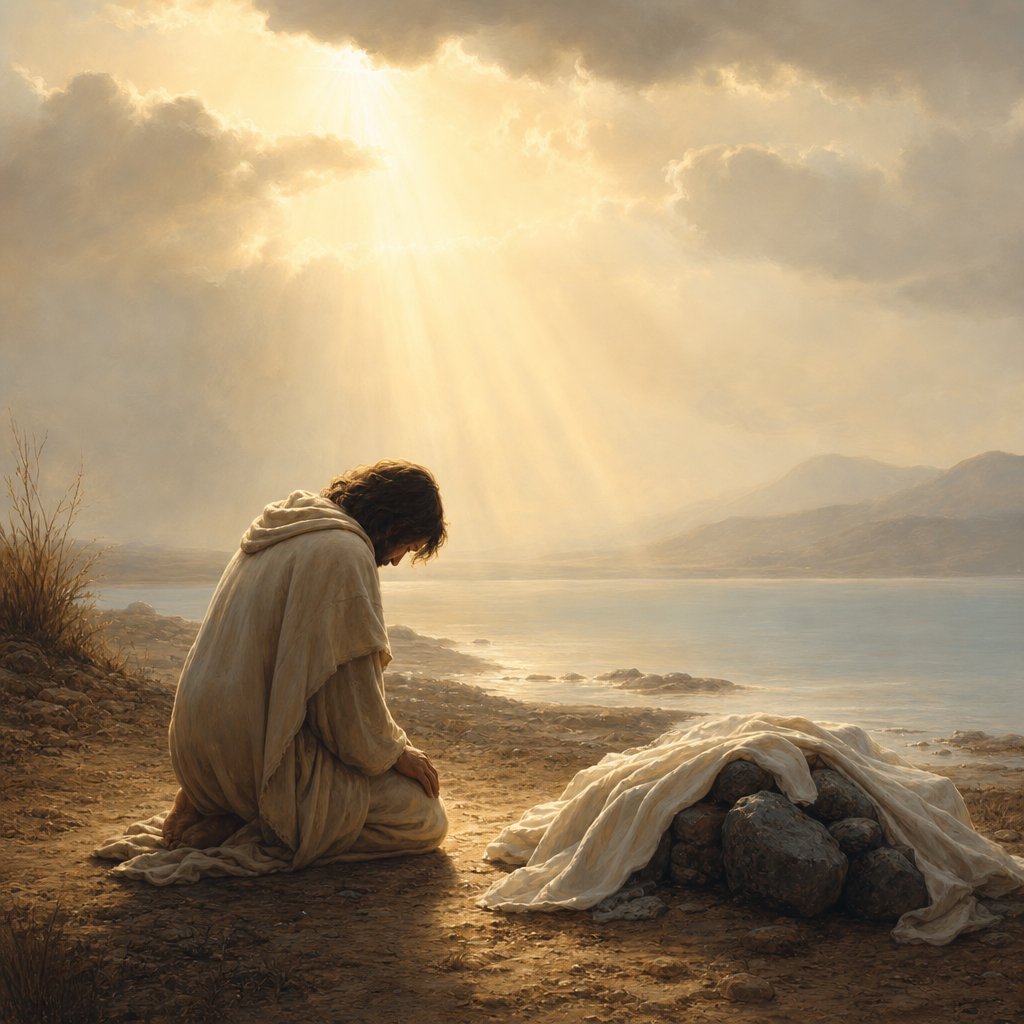
Romans 4:7-8 from the King James Version (KJV) of the Bible reads, "Saying, Blessed are they whose iniquities are forgiven, and whose sins are covered. Blessed is the man to whom the Lord will not impute sin."
This passage from the book of Romans, written by the apostle Paul, speaks to the fundamental tenet of Christianity - the forgiveness of sins through faith in Jesus Christ. In this commentary, we will delve into the deeper meaning and significance of these verses, exploring the themes, context, and symbolism within the broader context of the Christian faith.
First, let's consider the context in which these verses were written. The book of Romans is a letter written by Paul to the Christian community in Rome, providing them with theological teachings and practical guidance. In the preceding verses, Paul has been discussing the concept of righteousness through faith, emphasizing that it is not through adherence to the law or good works that one can be justified before God, but through faith in Jesus Christ.
In verses 7-8, Paul is quoting from the book of Psalms, specifically Psalm 32:1-2. By doing so, he is drawing on the wisdom and authority of the Old Testament to support his teaching on the forgiveness of sins. The use of this ancient scripture also serves to underscore the continuity between the Old and New Testaments, showing that the message of salvation through faith has deep roots in the history of God's covenant with His people.
The theme of forgiveness is central to these verses. Paul speaks of those whose iniquities are forgiven and whose sins are covered, emphasizing the blessedness of those who have experienced the mercy and grace of God. This theme of forgiveness is a recurring motif throughout the Bible, and it lies at the heart of the Christian message. The idea that God is willing to forgive sinners and reconcile them to Himself is a profound expression of His love and compassion for humanity.
Another important theme in these verses is the imputation of sin. Paul declares that the man to whom the Lord will not impute sin is blessed. This speaks to the concept of justification, which is the legal declaration of righteousness before God. In Christian theology, this is made possible through the atoning sacrifice of Jesus Christ, who bore the sins of humanity on the cross, and through faith in Him, believers are no longer held accountable for their transgressions.
The symbolism in these verses is rich and evocative. The image of iniquities being forgiven and sins being covered conveys a powerful message of restoration and renewal. The language of covering suggests a veiling or hiding of sin, implying that God no longer sees the guilt and shame of the forgiven individual, but instead sees them through the lens of Christ's righteousness. This imagery reflects the biblical concept of atonement, where sins are symbolically covered by the blood of the sacrificial lamb, pointing forward to the ultimate sacrifice of Jesus Christ.
Overall, Romans 4:7-8 is a poignant reminder of the foundational truth of the Christian faith - that through the forgiveness of sins and the imputation of Christ's righteousness, believers are blessed and reconciled to God. These verses capture the essence of God's redemptive plan for humanity and the transformative power of His grace. They serve as a source of hope and encouragement for all who trust in the atoning work of Jesus Christ, reminding us that we are truly blessed to be recipients of God's unmerited favor and mercy.
Get our apps


Artwork for Romans 4:7-8

Romans 4:7-8 - "Blessed are those whose transgressions are forgiven, whose sins are covered. Blessed is the one whose sin the Lord will never count against them."
"Blessed are those whose transgressions are forgiven, whose sins are covered. Blessed is the one whose sin the Lord will never count against them." - Romans 4:7-8

Numbers 4:7-8

Romans 4:8 - "Blessed is the man to whom the Lord will not impute sin."

Romans 4:7 - "Saying, Blessed are they whose iniquities are forgiven, and whose sins are covered."

Romans 8:7 - "Because the carnal mind is enmity against God: for it is not subject to the law of God, neither indeed can be."

Romans 8:4 - "That the righteousness of the law might be fulfilled in us, who walk not after the flesh, but after the Spirit."

Romans 7:8 - "But sin, taking occasion by the commandment, wrought in me all manner of concupiscence. For without the law sin was dead."

"Blessed is the man to whom the Lord will not impute sin." - Romans 4:8
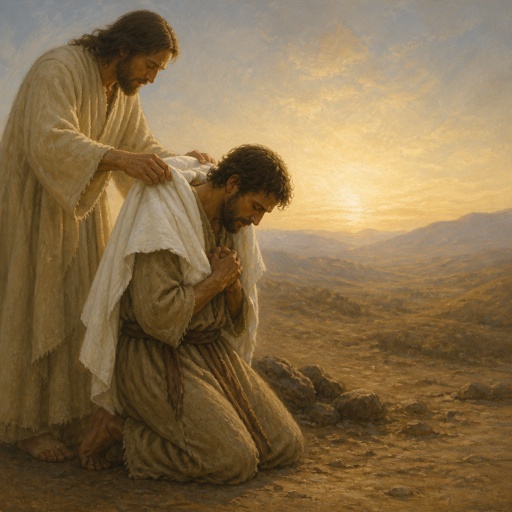
"Saying, Blessed are they whose iniquities are forgiven, and whose sins are covered." - Romans 4:7

Romans 8

romans 8

Romans 14:7-8 - "For none of us lives to himself, and no one dies to himself. For if we live, we live to the Lord; and if we die, we die to the Lord. Therefore, whether we live or die, we are the Lord’s."

Romans 8:8 - "So then they that are in the flesh cannot please God."

"That the righteousness of the law might be fulfilled in us, who walk not after the flesh, but after the Spirit." - Romans 8:4
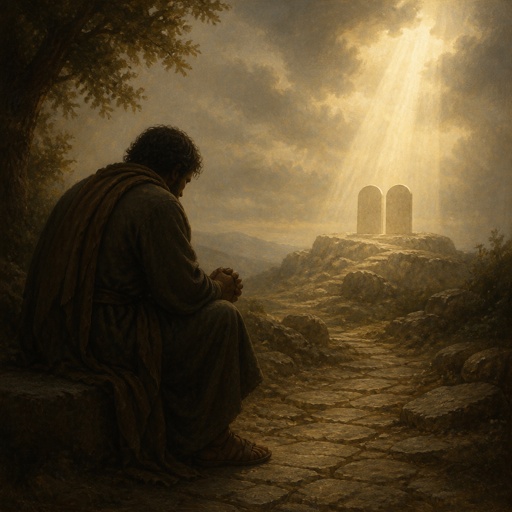
"Because the carnal mind is enmity against God: for it is not subject to the law of God, neither indeed can be." - Romans 8:7

Romans 8:18

Romans 8:19

Romans 8:28

Romans 8:31

Romans 13:8

Romans chapter 8

Romans 8:14

Romans 5:8

Romans 8:28

romans 8:38

Romans 8:35

Romans 5:8

Romans 8:28

Romans 13:8