What does Romans 5:14 mean?
“Nevertheless death reigned from Adam to Moses, even over them that had not sinned after the similitude of Adam’s transgression, who is the figure of him that was to come.” — Romans 5:14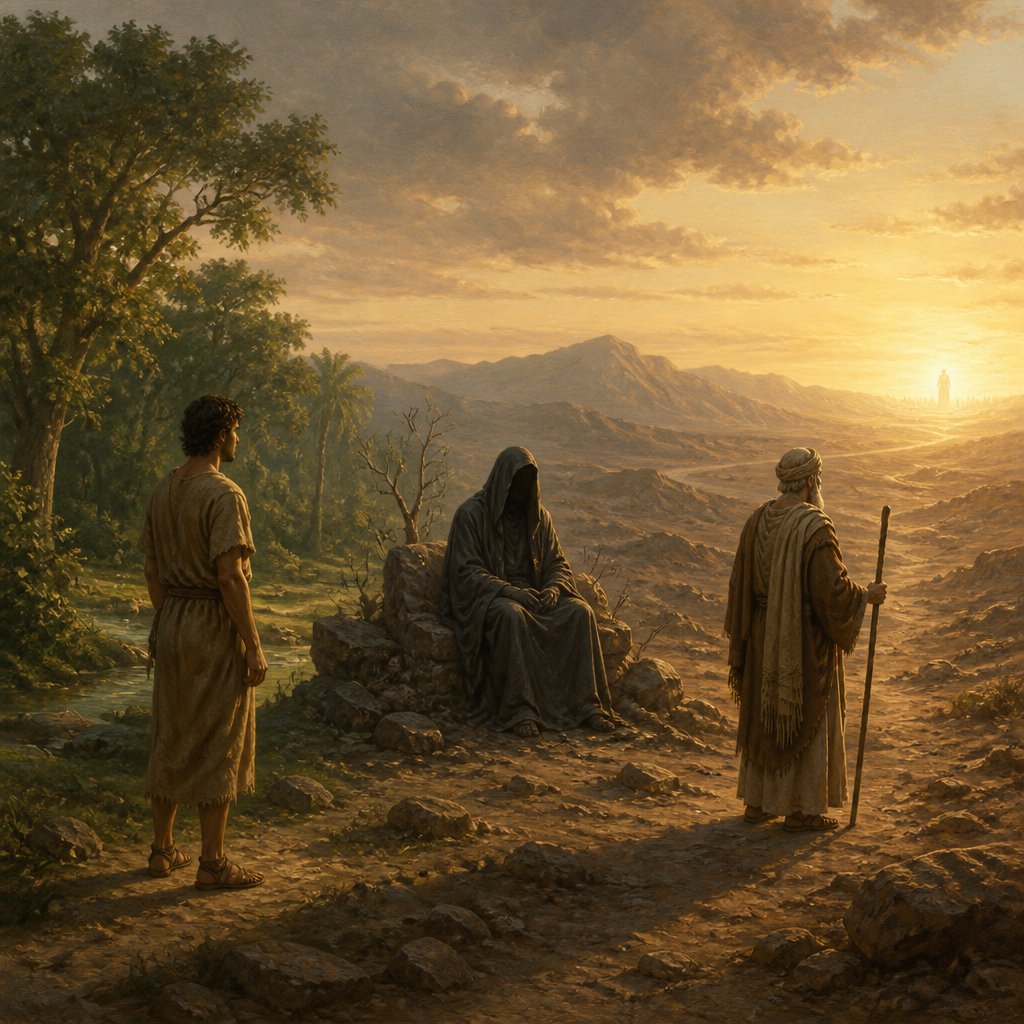
The verse Romans 5:14 in the King James Version of the Bible reads, "Nevertheless death reigned from Adam to Moses, even over them that had not sinned after the similitude of Adam's transgression, who is the figure of him that was to come." This verse is a part of a larger passage that discusses sin and death, and its contrast with grace and life through Jesus Christ.
In order to understand the meaning and significance of Romans 5:14, it is important to consider its context within the larger passage of Romans 5. In the preceding verses, the apostle Paul is discussing the effects of Adam’s sin on humanity and the contrast with Jesus Christ’s redemptive work. Paul explains that just as sin and death entered the world through one man, Adam, so also grace and life came through one man, Jesus Christ.
In Romans 5:14, Paul points out that the reign of death, which came as a result of Adam’s sin, extended from Adam to Moses. This period of time covered the era before the Mosaic law was given, when people were not held accountable for sin in the same way they were after the law was given. However, despite the absence of a written law, death still reigned over humanity because of Adam’s transgression.
The verse goes on to explain that even those who did not sin in the same way Adam did were still subject to death. This is a reflection of the universality of sin’s consequences and the fact that all humanity is affected by the sin of Adam. The reference to Adam as a "figure of him that was to come" is a foreshadowing of Jesus Christ, who would come to bring grace and salvation to humanity.
In this verse, Adam is portrayed as a type of Christ, representing the old humanity and its fallen state, while Christ represents the new humanity and the redemption from sin and death. This comparison highlights the parallel between Adam's transgression and Christ's redemptive work. The verse emphasizes the idea that just as Adam’s sin resulted in condemnation for all, Christ’s obedience and sacrifice resulted in justification and life for all who believe in Him.
One of the key themes in Romans 5:14 is the contrast between the reign of death through Adam and the reign of grace through Christ. It underscores the impact of Adam’s disobedience and its far-reaching consequences for humanity, while also pointing to the hope and life that comes through Jesus Christ. This verse helps to establish the theological foundation for the concept of original sin and the need for a savior to deliver humanity from its effects.
Symbolically, Adam represents the old creation and the brokenness of humanity, while Christ represents the new creation and the restoration of humanity. The contrast between Adam and Christ serves as a powerful reminder of the impact of sin and the even greater impact of God’s grace and redemption through Jesus Christ.
In conclusion, Romans 5:14 is a verse that highlights the theological significance of Adam and Christ as the representatives of two different realities for humanity. It emphasizes the universal impact of sin and death as a result of Adam’s transgression, while also pointing to the universal offer of grace and life through Jesus Christ. This verse serves as a powerful reflection on the fallen state of humanity and the hope that comes through the redemptive work of Christ.
Get our apps


Artwork for Romans 5:14

Romans 5:14 - "Nevertheless death reigned from Adam to Moses, even over them that had not sinned after the similitude of Adam's transgression, who is the figure of him that was to come."
"Nevertheless death reigned from Adam to Moses, even over them that had not sinned after the similitude of Adam's transgression, who is the figure of him that was to come." - Romans 5:14

Romans 14:5 - "One man esteemeth one day above another: another esteemeth every day alike. Let every man be fully persuaded in his own mind."

Romans 14:12

Romans 8:14

Romans 10:14

Romans 5:1

Romans 5:19

Romans 5:8

Romans 5:8

Romans 5:8

Romans 5:19

Romans 14:16 - "Let not then your good be evil spoken of:"

Romans 3:14 - "Whose mouth is full of cursing and bitterness:"

Romans 5: 1-11

Romans 5: 1-11
romans 12: 4-5

Romans 5:4 - "And patience, experience; and experience, hope:"

Romans 8:14 - "For as many as are led by the Spirit of God, they are the sons of God."

Romans 14:7 - "For none of us liveth to himself, and no man dieth to himself."

depict the theme of Romans 13:8-14

Romans 14:1 - "Him that is weak in the faith receive ye, but not to doubtful disputations."

Romans 12:14 - "Bless them which persecute you: bless, and curse not."

Romans 9:14 - "What shall we say then? Is there unrighteousness with God? God forbid."

Romans 14:18 - "For he that in these things serveth Christ is acceptable to God, and approved of men."

Romans 14:14 - "I know, and am persuaded by the Lord Jesus, that there is nothing unclean of itself: but to him that esteemeth any thing to be unclean, to him it is unclean."

Romans 14:12 - "So then every one of us shall give account of himself to God."

Romans 1:14 - "I am debtor both to the Greeks, and to the Barbarians; both to the wise, and to the unwise."

Romans 16:14 - "Salute Asyncritus, Phlegon, Hermas, Patrobas, Hermes, and the brethren which are with them."

Romans 14:17 - "For the kingdom of God is not meat and drink; but righteousness, and peace, and joy in the Holy Ghost."