What does Romans 6:16 mean?
“Know ye not, that to whom ye yield yourselves servants to obey, his servants ye are to whom ye obey; whether of sin unto death, or of obedience unto righteousness?” — Romans 6:16
Romans 6:16 in the King James Version of the Bible reads, "Know ye not, that to whom ye yield yourselves servants to obey, his servants ye are to whom ye obey; whether of sin unto death, or of obedience unto righteousness?" This verse is part of a larger passage in which the apostle Paul is explaining the concept of believers being dead to sin and alive in Christ. The overarching theme of Romans 6 is the believer's identification with the death, burial, and resurrection of Jesus Christ.
The verse begins with the phrase, "Know ye not," which is an indication that Paul is speaking to the believers in Rome and assumes that they should already be aware of the truth he is about to express. He is addressing the ignorance of those who may not understand the spiritual consequences of their actions. Paul is essentially calling the believers to be aware and discerning of the impact of their choices.
The verse then discusses the idea of servitude and obedience. The phrase "yield yourselves servants to obey" refers to the act of surrendering oneself to someone or something. In this context, Paul is speaking specifically about surrendering to sin or obedience. He is pointing out that everyone serves either sin or righteousness. This language of servitude and obedience reflects a binary view of the world, where a person's actions are determined by their allegiance to either sin or righteousness.
The consequences of these choices are then discussed. Paul states that those who yield themselves to sin serve sin, and the outcome of this servitude is death. This death is spiritual and eternal, symbolizing separation from God. On the other hand, those who yield themselves to obedience serve righteousness, and the outcome is righteousness, which symbolizes spiritual life and reconciliation with God.
The concept of obedience leading to righteousness is a central theme in the letter to the Romans. Obedience to God and His Word is contrasted with obedience to sin and the desires of the flesh. Paul is emphasizing the importance of aligning oneself with God's will and choosing righteousness over sin.
This verse also touches on the broader theological concept of the human condition. It suggests that all human beings are slaves to something, either sin or righteousness. This echoes the teachings of Jesus, who said, "No one can serve two masters. Either you will hate the one and love the other, or you will be devoted to the one and despise the other" (Matthew 6:24). Paul's message here is that every person is inescapably bound to serve either sin or righteousness, and this allegiance has eternal implications.
The symbolism present in this verse is profound. Sin is depicted as a cruel master that leads to death, while obedience and righteousness lead to life. The imagery of servitude and obedience is powerful and highlights the idea of submission and allegiance. The choice between serving sin or serving righteousness is presented as a matter of life and death, with eternal consequences. This verse serves as a warning and a call to discernment, urging believers to be mindful of their actions and to choose obedience to God and His righteousness.
In conclusion, Romans 6:16 is a crucial verse that underscores the importance of obedience and allegiance in the life of a believer. It emphasizes the eternal significance of choosing to serve either sin or righteousness, and it serves as a call to discernment and mindfulness in the believer's walk with God. It is a reminder of the fundamental truth that all people are serving either sin or righteousness, and the outcomes of these allegiances are drastically different. This verse invites believers to consider the implications of their choices and to align themselves with God's will and His righteousness.
Get our apps


Artwork for Romans 6:16

Romans 6:16 - "Know ye not, that to whom ye yield yourselves servants to obey, his servants ye are to whom ye obey; whether of sin unto death, or of obedience unto righteousness?"

"Know ye not, that to whom ye yield yourselves servants to obey, his servants ye are to whom ye obey; whether of sin unto death, or of obedience unto righteousness?" - Romans 6:16

Romans 16:6 - "Greet Mary, who bestowed much labour on us."
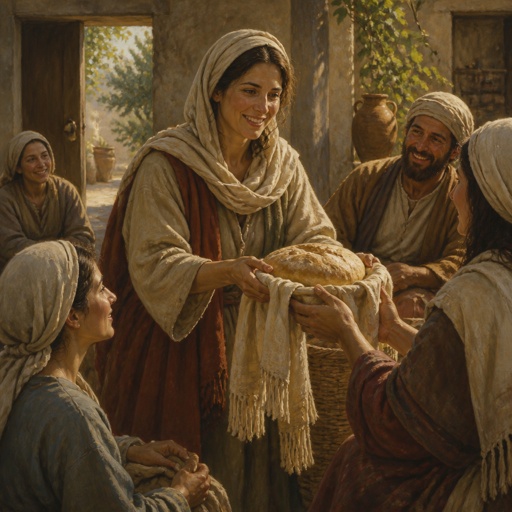
"Greet Mary, who bestowed much labour on us." - Romans 16:6

Romans 8:16

Romans 16:17

Romans 16:17

Romans 16:17

Romans 16:16 - "Salute one another with an holy kiss. The churches of Christ salute you."

Romans 8:15-16

Romans 3:16 - "Destruction and misery are in their ways:"

Romans 8:6

Romans 6:23

Romans 6:23

Romans 16:8 - "Greet Amplias my beloved in the Lord."

Romans 14:16 - "Let not then your good be evil spoken of:"

Romans 1:16 to the Jew first

Romans 15:4-6

Romans 16:3 - "Greet Priscilla and Aquila my helpers in Christ Jesus:"

Romans 16:13 - "Salute Rufus chosen in the Lord, and his mother and mine."

"Destruction and misery are in their ways:" - Romans 3:16

Romans 6:7 - "For he that is dead is freed from sin."

Romans 16:24 - "The grace of our Lord Jesus Christ be with you all. Amen."

Romans 16:9 - "Salute Urbane, our helper in Christ, and Stachys my beloved."

Romans 16:22 - "I Tertius, who wrote this epistle, salute you in the Lord."

Romans 16:14 - "Salute Asyncritus, Phlegon, Hermas, Patrobas, Hermes, and the brethren which are with them."

Romans 16:27 - "To God only wise, be glory through Jesus Christ for ever. Amen."

Romans 9:16 - "So then it is not of him that willeth, nor of him that runneth, but of God that sheweth mercy."

Romans 11:16 - "For if the firstfruit be holy, the lump is also holy: and if the root be holy, so are the branches."

Romans 8:16 - "The Spirit itself beareth witness with our spirit, that we are the children of God:"