What does Romans 6:2 mean?
“God forbid. How shall we, that are dead to sin, live any longer therein?” — Romans 6:2
Romans 6:2 (KJV) states: "God forbid. How shall we, that are dead to sin, live any longer therein?"
This verse is found in the letter to the Romans, which was written by the apostle Paul to the believers in Rome. In this particular verse, Paul is addressing the concept of living a life of sin after becoming a follower of Christ. He starts this verse with the words "God forbid," expressing strong opposition to the idea that a person who has died to sin through their faith in Christ would continue living in sin. This phrase emphasizes the severity of the concept and signifies that it goes against the will of God.
The theme of this verse revolves around the idea of dying to sin and living a new life in Christ. Throughout the book of Romans, Paul discusses the concept of justification through faith in Jesus Christ, and in chapter 6, he delves into the implications of this new life in Christ. He explains how believers are united with Christ in his death and resurrection, symbolizing the death to sin and new life in Christ. Therefore, the theme of this verse aligns with the broader theme of salvation and the transformative power of the gospel.
The context of Romans 6:2 is crucial for understanding its meaning. In the preceding verses, Paul discusses the concept of being dead to sin through baptism. He emphasizes that when a believer is baptized, they are united with Christ in his death and resurrection, symbolizing a death to sin and a new life in Christ. Therefore, the context of this verse reinforces Paul's exhortation for believers to live in a manner consistent with their newfound identity in Christ.
Symbolism plays a significant role in understanding the meaning of Romans 6:2. The imagery of being dead to sin and alive in Christ through baptism carries profound symbolism. Baptism symbolizes the believer's identification with the death, burial, and resurrection of Jesus Christ, signifying a spiritual death to sin and a new life in Christ. It represents the washing away of sin and the emergence of a new creation, free from the bondage of sin. This symbolism underscores the transformative nature of salvation and the believer's commitment to living a life that is pleasing to God.
The verse also carries a sense of urgency and moral imperative. Paul's rhetorical question, "How shall we, that are dead to sin, live any longer therein?" conveys a sense of disbelief and incredulity at the notion of continuing in a life of sin. It serves as a call to action for believers to align their behavior with their new identity in Christ. It emphasizes the moral obligation of believers to live in a manner consistent with their faith and to forsake the ways of sin.
In conclusion, Romans 6:2 (KJV) encapsulates the theme of dying to sin and living a new life in Christ. It is set in the context of Paul's teachings on the transformative power of the gospel and the believer's identification with Christ through baptism. The verse carries profound symbolism, emphasizing the believer's spiritual death to sin and emergence into a new life in Christ. It also conveys a sense of urgency and moral imperative, calling believers to live in a manner consistent with their newfound identity in Christ. As such, Romans 6:2 serves as a powerful exhortation for believers to forsake the ways of sin and to live a life that is pleasing to God.
Get our apps


Artwork for Romans 6:2

Romans 6:2 - "God forbid. How shall we, that are dead to sin, live any longer therein?"

"God forbid. How shall we, that are dead to sin, live any longer therein?" - Romans 6:2

Romans 2:6 - "Who will render to every man according to his deeds:"
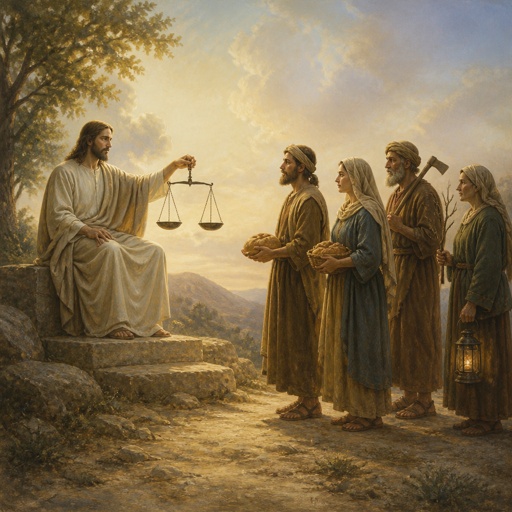
"Who will render to every man according to his deeds:" - Romans 2:6

Romans 6:23

Romans 8:6

Romans 6:23

Romans 2:6-7 - "God "will repay each person according to what they have done." To those who by persistence in doing good seek glory, honor and immortality, he will give eternal life."
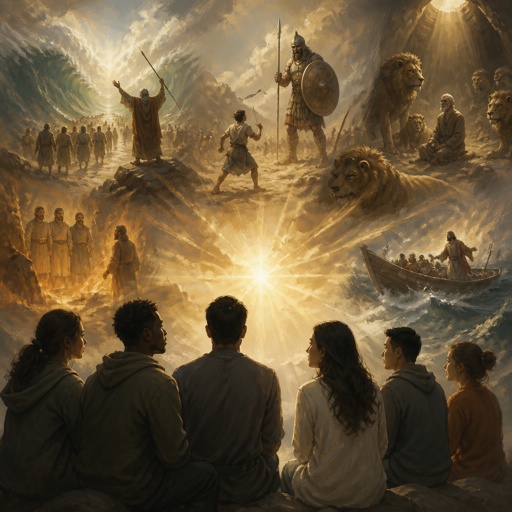
Romans 15:4-6

Romans 6:7 - "For he that is dead is freed from sin."

Romans 6:1-2 - "What shall we say, then? Shall we go on sinning so that grace may increase? By no means! We are those who have died to sin; how can we live in it any longer?"

Romans 12:2

Romans 12:2

Romans 12:2

Romans 12:2
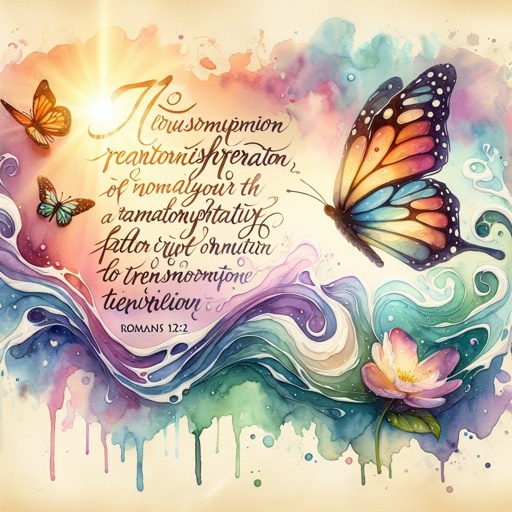
Romans 12:2

Romans 12:2
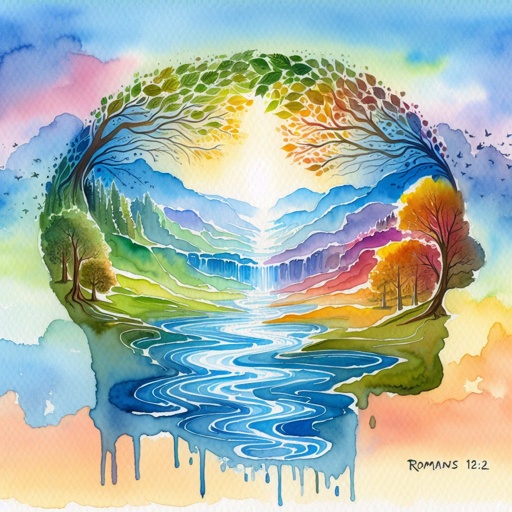
Romans 12:2

Romans 6:6 - "Knowing this, that our old man is crucified with him, that the body of sin might be destroyed, that henceforth we should not serve sin."

Romans 12:2

Romans 12:2

Romans 12:2

Romans 12:2

Romans 12:2

Romans 12:2

Romans 12:2

Romans 12:2

Romans 8:6 - "For to be carnally minded is death; but to be spiritually minded is life and peace."

Romans 16:6 - "Greet Mary, who bestowed much labour on us."

Romans 1:6 - "Among whom are ye also the called of Jesus Christ:"