What does Romans 6:5 mean?
“For if we have been planted together in the likeness of his death, we shall be also in the likeness of his resurrection:” — Romans 6:5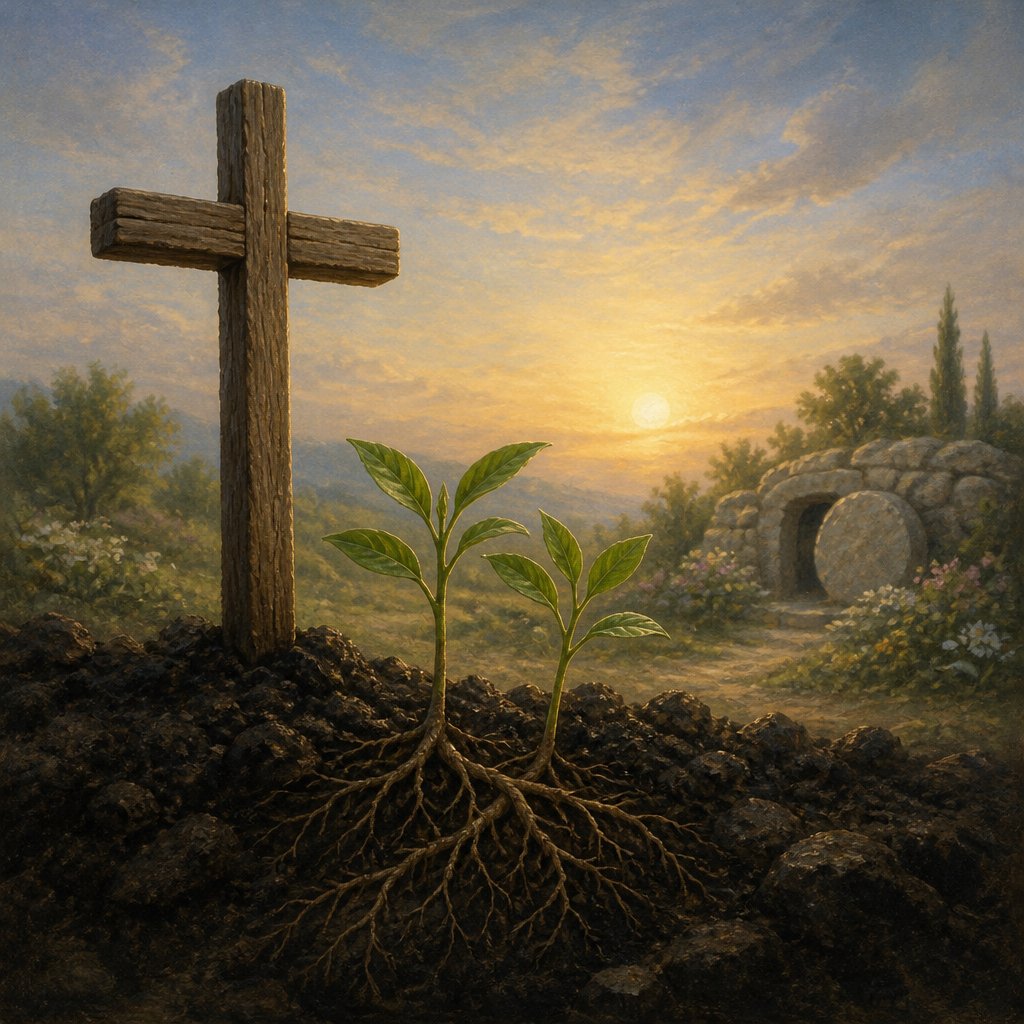
Romans 6:5 (KJV) "For if we have been planted together in the likeness of his death, we shall be also in the likeness of his resurrection."
In this verse, the apostle Paul is emphasizing the connection between believers and Christ. He uses the imagery of being "planted together in the likeness of his death" to illustrate the deep union that exists between Christ and those who have put their faith in Him.
The concept of being "planted together" carries several layers of meaning. First, it speaks to the shared experience of believers with Christ. Just as a plant is intimately connected to the soil in which it is planted, so too are believers closely connected to Christ in His death. This connection is not merely superficial, but deeply rooted and transformative. As followers of Christ, we are called to identify with His death, recognizing that our old selves have been crucified with Him (Galatians 2:20).
Second, the idea of being "planted together" also suggests growth. When a seed is planted in the ground, it undergoes a process of transformation and emerges as a new life. In the same way, believers are being transformed and renewed through their union with Christ. This transformation is not only spiritual but also points to the future resurrection of our bodies. We are being conformed to the likeness of Christ, and ultimately, we will share in His resurrection.
The connection between Christ's death and resurrection is significant in understanding the Christian faith. Just as Christ died and rose again, so too are believers united with Him in both His death and resurrection. This truth is central to the Christian doctrine of salvation. Through faith in Christ, believers are not only forgiven of their sins but are also raised to new life and empowered to live in righteousness (Romans 6:4).
The theme of union with Christ is a recurring motif throughout the New Testament. In Galatians 2:20, Paul writes, "I have been crucified with Christ. It is no longer I who live, but Christ who lives in me." This profound union with Christ is the source of believers' identity and empowerment to live out the Christian life.
The language of "likeness" in Romans 6:5 further emphasizes the transformative nature of this union. The word "likeness" denotes a resemblance or similarity. Just as a seed planted in the ground takes on the likeness of the plant from which it came, so too do believers take on the likeness of Christ in His death and resurrection. This likeness extends to the moral and spiritual transformation that believers undergo, as they are conformed to the image of Christ through the work of the Holy Spirit (Romans 8:29).
The context of Romans 6 is pivotal in understanding the significance of this verse. Paul is addressing the implications of our union with Christ for the Christian life. He emphasizes that believers are no longer slaves to sin but have been set free through their identification with Christ. This freedom enables them to live in righteousness and holiness, reflecting the new life they have in Christ.
The symbolism of being "planted together in the likeness of his death" carries profound implications for believers. It speaks to the transformative union with Christ, the shared experience of His death and resurrection, and the hope of future resurrection. This verse serves as a reminder of the profound mystery of the Christian faith, illustrating the depth of the believer's connection with Christ and the transformative power of His death and resurrection. It calls believers to live in light of this profound truth, embracing their union with Christ and the new life that it brings.
Get our apps


Artwork for Romans 6:5

Romans 6:5 - "For if we have been planted together in the likeness of his death, we shall be also in the likeness of his resurrection:"
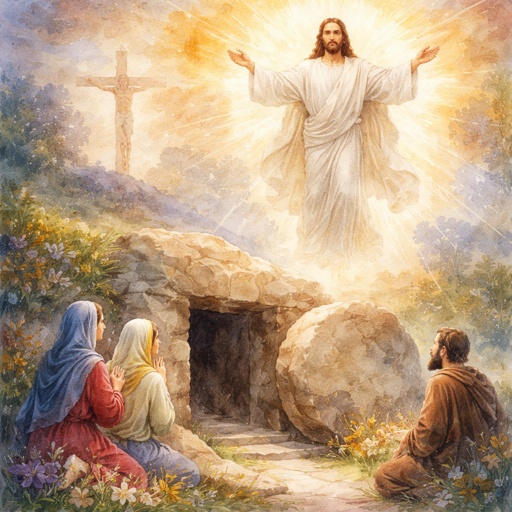
For if we have been united with him in a death like his, we shall certainly be united with him in a resurrection like his. Romans 6:5
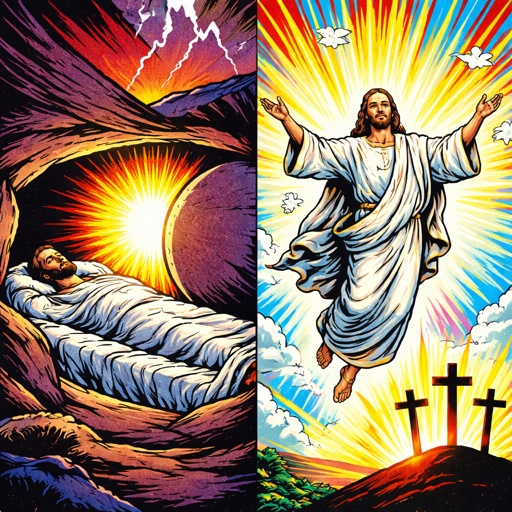
For if we have been united with him in a death like his, we shall certainly be united with him in a resurrection like his. Romans 6:5
"For if we have been planted together in the likeness of his death, we shall be also in the likeness of his resurrection:" - Romans 6:5

Romans 5:6 - "For when we were yet without strength, in due time Christ died for the ungodly."
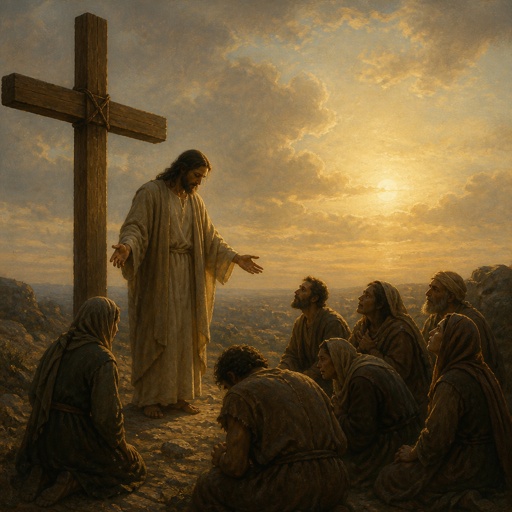
"For when we were yet without strength, in due time Christ died for the ungodly." - Romans 5:6

Romans 5:1

Romans 5:19

Romans 5:8

Romans 5:8

Romans 5:8

Romans 5:19

Romans 8:6

Romans 6:23

Romans 6:23

Romans 5: 1-11

Romans 5: 1-11
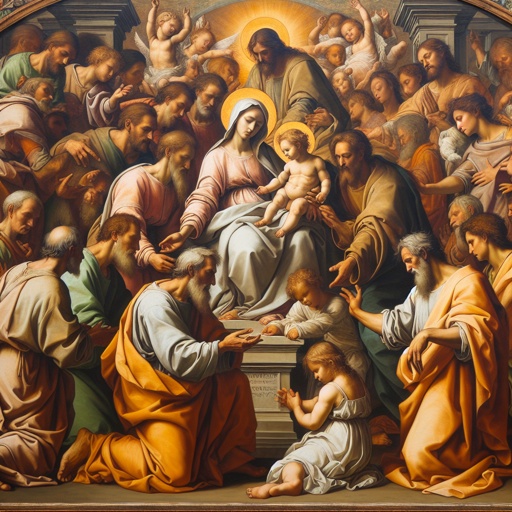
romans 12: 4-5
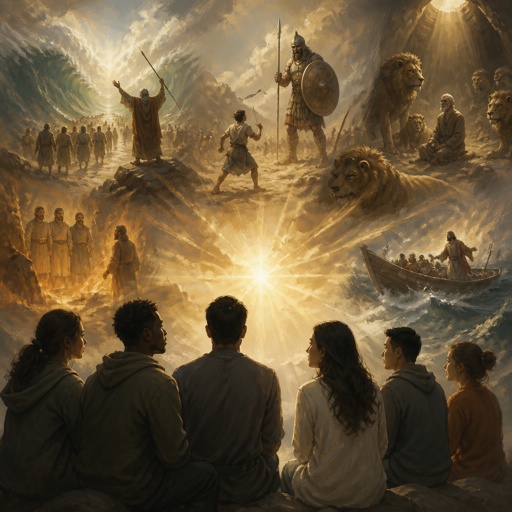
Romans 15:4-6

Romans 5:4 - "And patience, experience; and experience, hope:"

Romans 15:5-6 - "May the God who gives endurance and encouragement give you the same attitude of mind toward each other that Christ Jesus had, so that with one mind and one voice you may glorify the God and Father of our Lord Jesus Christ."

Romans 6:7 - "For he that is dead is freed from sin."

Romans 2:6 - "Who will render to every man according to his deeds:"

Romans 6:6 - "Knowing this, that our old man is crucified with him, that the body of sin might be destroyed, that henceforth we should not serve sin."

Romans 8:6 - "For to be carnally minded is death; but to be spiritually minded is life and peace."

Romans 16:6 - "Greet Mary, who bestowed much labour on us."

Romans 3:6 - "God forbid: for then how shall God judge the world?"

Romans 1:6 - "Among whom are ye also the called of Jesus Christ:"

Romans 5:5 - "And hope maketh not ashamed; because the love of God is shed abroad in our hearts by the Holy Ghost which is given unto us."

Romans 5:13 - "(For until the law sin was in the world: but sin is not imputed when there is no law."