What does Romans 7:17 mean?
“Now then it is no more I that do it, but sin that dwelleth in me.” — Romans 7:17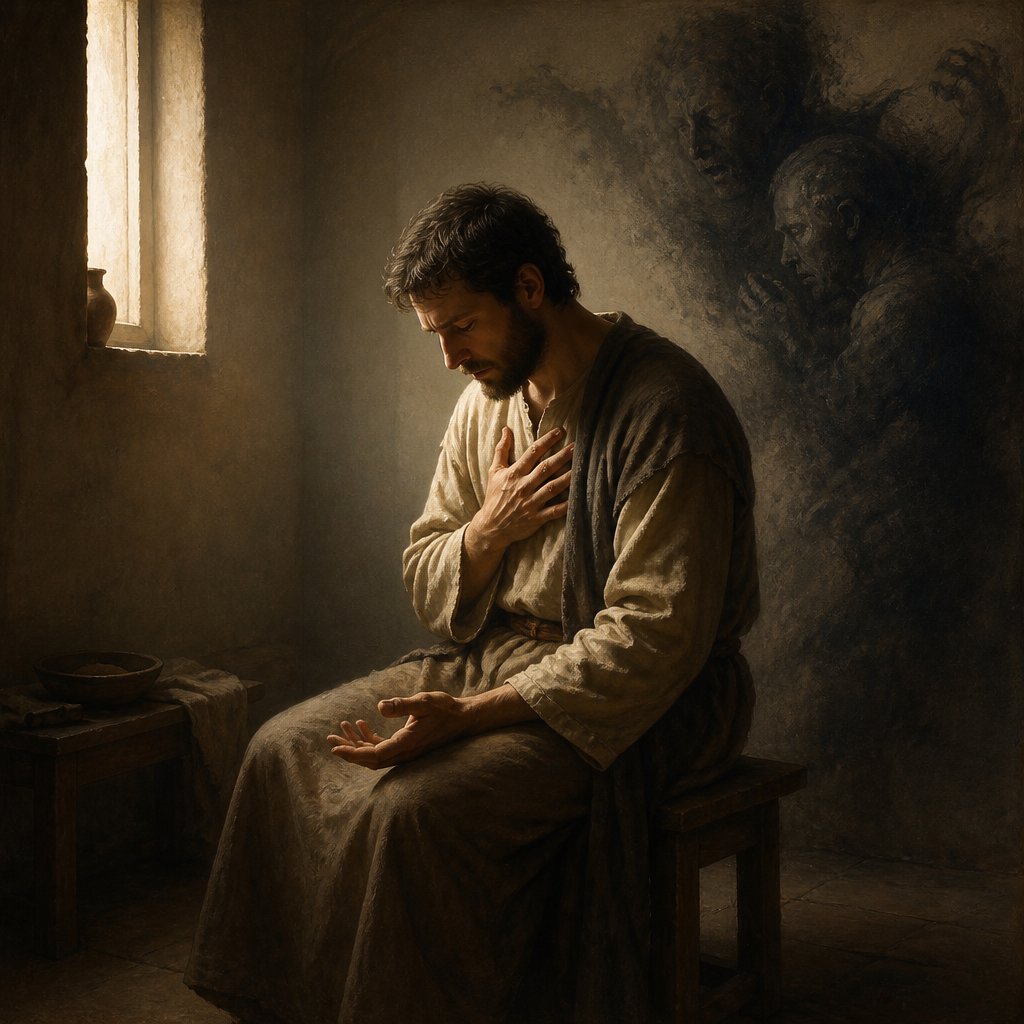
Romans 7:17 (KJV) reads:
"Now then it is no more I that do it, but sin that dwelleth in me."
This verse is a part of the larger passage where Paul is discussing the struggle between the flesh and the spirit. In this particular verse, Paul is expressing the internal conflict that he experiences as a result of sin dwelling within him. This verse is significant as it reflects the universal struggle that Christians face in their daily lives, and it provides insight into the nature of sin and its impact on believers.
The theme of internal struggle is a central focus of this verse. The phrase "it is no more I that do it" implies a sense of separation between the self and the sinful actions that are committed. Paul acknowledges that the sinful nature within him is the driving force behind his actions, rather than his true self. This is a concept that many Christians can relate to, as they grapple with the tension between their desire to live a righteous life and the sinful tendencies that they battle against.
The context of this verse is crucial to understanding its significance. In the broader passage of Romans 7, Paul discusses the law and its role in revealing sin. He describes his own struggle with sin and the inward conflict that arises from the desire to do what is right, but the inability to consistently live up to those standards. This context provides a backdrop for the verse, highlighting the ongoing battle against sin that believers face and the need for reliance on God's grace and strength.
The symbolism present in this verse is multi-layered. Sin is depicted as a powerful force that "dwelleth" within the individual, indicating its deep-rooted nature and its influence over one's actions. This imagery serves to underscore the pervasive and insidious nature of sin, as well as the ongoing struggle that believers face in overcoming it. The concept of sin dwelling within the individual also reflects the biblical understanding of the sinful nature inherited from Adam, which taints all of humanity and is a constant source of temptation and struggle.
Furthermore, the acknowledgement of sin as a separate entity from the self is symbolic of the theological understanding of sin's corrupting influence on human nature. The recognition that it is "no more I" that is responsible for the sinful actions suggests a degree of accountability and separation from the sinful nature. This distinction is significant as it emphasizes the need for a savior and the redemptive work of Christ to overcome the power of sin.
In conclusion, Romans 7:17 (KJV) encapsulates the universal struggle with sin and the internal conflict that believers face. Its themes of internal struggle, the contextual backdrop of the broader passage, and the symbolism of sin's influence provide deep insight into the nature of sin and the ongoing battle against it. This verse serves as a poignant reminder of the need for reliance on God's grace and the transformative power of Christ to overcome the sin that dwells within.
Get our apps


Artwork for Romans 7:17

Romans 7:17 - "Now then it is no more I that do it, but sin that dwelleth in me."
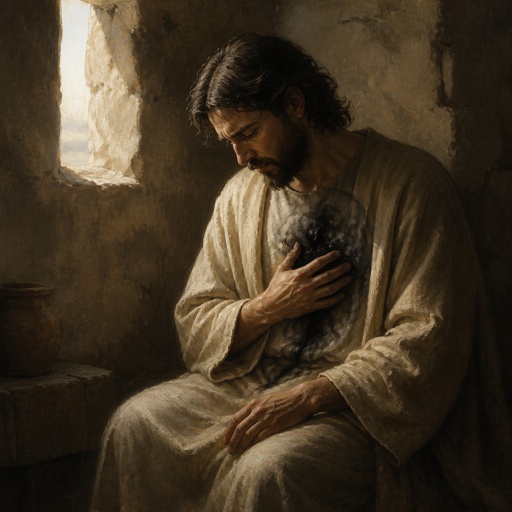
"Now then it is no more I that do it, but sin that dwelleth in me." - Romans 7:17
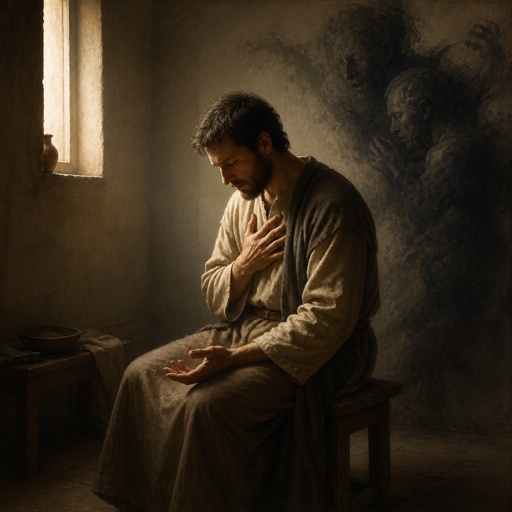
"Now then it is no more I that do it, but sin that dwelleth in me." - Romans 7:17

Romans 10:17

Romans 10:17

Romans 10:17

Romans 10:17

Romans 10:17

Romans 10:17

Romans 16:17

Romans 10:17

Romans 16:17

Romans 10:17

Romans 16:17
Romans 3:17 - "And the way of peace have they not known:"

Romans 7:19

Romans 7:12

Romans 10:17 - "So then faith cometh by hearing, and hearing by the word of God."

"And the way of peace have they not known:" - Romans 3:17

Romans 6:7 - "For he that is dead is freed from sin."

Romans 14:17 - "For the kingdom of God is not meat and drink; but righteousness, and peace, and joy in the Holy Ghost."

Romans 2:17 - "Behold, thou art called a Jew, and restest in the law, and makest thy boast of God,"

Romans 12:17 - "Recompense to no man evil for evil. Provide things honest in the sight of all men."

Romans 7:12 - "Wherefore the law is holy, and the commandment holy, and just, and good."

Romans 14:7 - "For none of us liveth to himself, and no man dieth to himself."

Romans 1:17 - "For therein is the righteousness of God revealed from faith to faith: as it is written, The just shall live by faith."

Romans 7:22 - "For I delight in the law of God after the inward man:"

Romans 7:10 - "And the commandment, which was ordained to life, I found to be unto death."

Romans 4:7 - "Saying, Blessed are they whose iniquities are forgiven, and whose sins are covered."

Romans 7:11 - "For sin, taking occasion by the commandment, deceived me, and by it slew me."