What does Romans 7:2 mean?
“For the woman which hath an husband is bound by the law to her husband so long as he liveth; but if the husband be dead, she is loosed from the law of her husband.” — Romans 7:2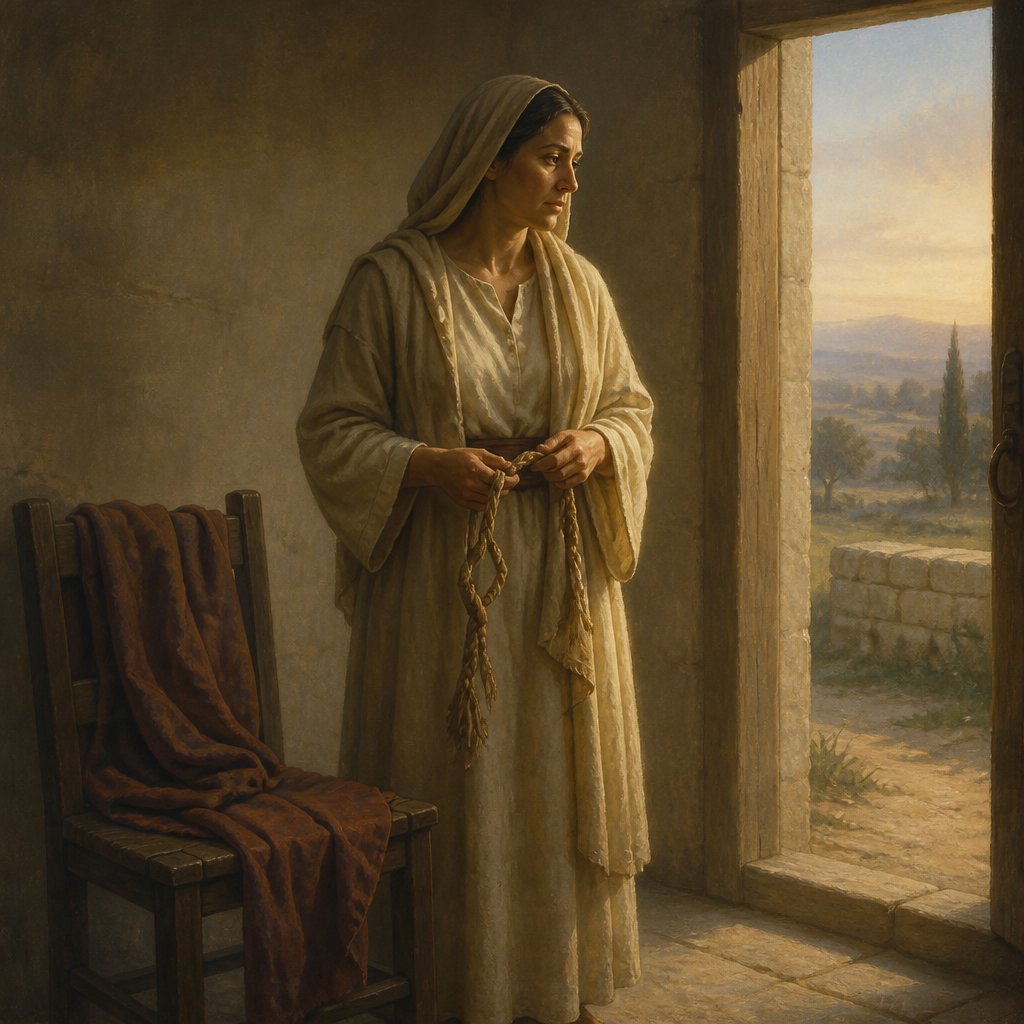
Romans 7:2 - "For the woman which hath an husband is bound by the law to her husband so long as he liveth; but if the husband be dead, she is loosed from the law of her husband."
This verse from the book of Romans in the New Testament provides insight into the nature of marriage and the legal and spiritual implications of that bond. In this passage, the apostle Paul uses marriage as an analogy to explain the believer's relationship to the law and to sin.
The verse begins with the assertion that a woman who is married is bound by the law to her husband as long as he is alive. This statement reflects the cultural and legal understanding of marriage during the time in which Paul was writing. In Roman society, marriage was considered a binding legal contract, and the wife was expected to be faithful to her husband for as long as they both lived. This concept is also rooted in the Old Testament understanding of marriage, where a woman was seen as being under the authority and protection of her husband.
Paul then uses the analogy of marriage to illustrate the believer's relationship to the law and to sin. He draws a parallel between the woman and her husband to the believer and the law. In this analogy, the law represents the binding covenant that governs the believer's relationship to God. Just as the woman is bound to her husband by the law of marriage, the believer is bound to the law as a standard of righteousness and obedience.
However, Paul goes on to explain that if the husband dies, the woman is loosed from the law of her husband. In the same way, the believer is released from the law through the death and resurrection of Jesus Christ. This imagery reflects a central theme of the Christian faith - that believers are freed from the power of the law and sin through the redemptive work of Christ.
The context of this verse is important for understanding its full meaning. In the preceding chapter, Paul speaks about the believer's union with Christ and the new life that comes through faith in Him. He emphasizes that the believer has died to sin and has been raised to newness of life through the death and resurrection of Christ. This sets the stage for Paul's discussion of the believer's relationship to the law and sin in chapter 7.
The symbolism in this verse is rich and multifaceted. Marriage is often used in the Bible as a metaphor for the relationship between God and His people. In the Old Testament, God is portrayed as a husband to Israel, and the people are described as His bride. This imagery is carried over into the New Testament, where Jesus is portrayed as the bridegroom and the church as His bride. In this context, the marriage analogy in Romans 7:2 can be seen as pointing to the believer's covenant relationship with God.
The death of the husband in the verse can be understood symbolically as the death of Christ on the cross. Through His death, believers are released from the law and from the power of sin. This points to the central message of the gospel - that through faith in Christ, believers are set free from the bondage of sin and the demands of the law.
Overall, Romans 7:2 presents a powerful and profound expression of the believer's relationship to the law and to sin. It highlights the transformative power of the gospel and the freedom that comes through faith in Christ. This verse serves as a reminder that believers are no longer bound by the law but are now bound to Christ, who has set them free.
Get our apps


Artwork for Romans 7:2

Romans 7:2 - "For the woman which hath an husband is bound by the law to her husband so long as he liveth; but if the husband be dead, she is loosed from the law of her husband."
"For the woman which hath an husband is bound by the law to her husband so long as he liveth; but if the husband be dead, she is loosed from the law of her husband." - Romans 7:2

Romans 2:7 - "To them who by patient continuance in well doing seek for glory and honour and immortality, eternal life:"

Romans 7:19

Romans 7:12

Romans 2:6-7 - "God "will repay each person according to what they have done." To those who by persistence in doing good seek glory, honor and immortality, he will give eternal life."

Romans 6:7 - "For he that is dead is freed from sin."

"To them who by patient continuance in well doing seek for glory and honour and immortality, eternal life:" - Romans 2:7

Romans 12:2

Romans 12:2

Romans 12:2
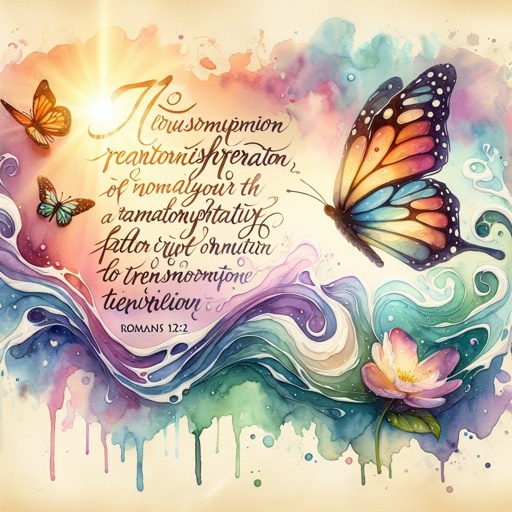
Romans 12:2

Romans 12:2

Romans 12:2
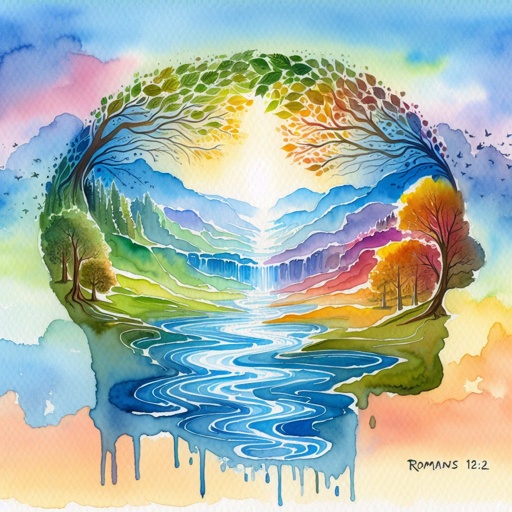
Romans 12:2

Romans 7:12 - "Wherefore the law is holy, and the commandment holy, and just, and good."

Romans 14:7 - "For none of us liveth to himself, and no man dieth to himself."

Romans 7:17 - "Now then it is no more I that do it, but sin that dwelleth in me."

Romans 12:2

Romans 12:2

Romans 12:2

Romans 12:2

Romans 12:2

Romans 12:2

Romans 12:2

Romans 12:2

Romans 7:22 - "For I delight in the law of God after the inward man:"

Romans 7:10 - "And the commandment, which was ordained to life, I found to be unto death."

Romans 4:7 - "Saying, Blessed are they whose iniquities are forgiven, and whose sins are covered."

Romans 7:11 - "For sin, taking occasion by the commandment, deceived me, and by it slew me."