What does Romans 7:9 mean?
“For I was alive without the law once: but when the commandment came, sin revived, and I died.” — Romans 7:9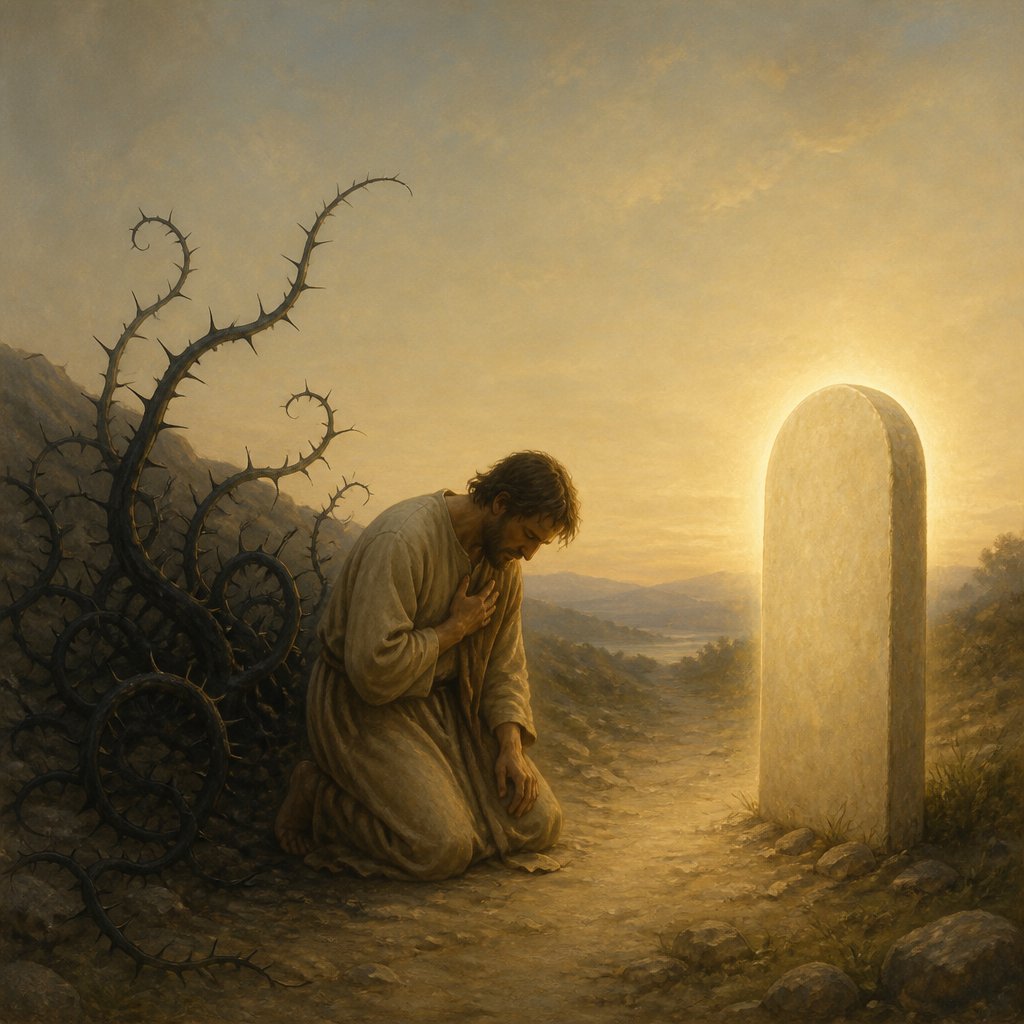
Romans 7:9 in the King James Version of the Bible reads, "For I was alive without the law once: but when the commandment came, sin revived, and I died." This verse is found in the New Testament, specifically in the book of Romans, which was written by the apostle Paul to the believers in Rome. In this letter, Paul addresses the righteousness of God, the fallen state of humanity, and the transformative power of the gospel.
The verse in context comes in the middle of a larger passage where Paul is discussing the purpose and function of the Mosaic law. Paul begins by acknowledging the law's role in revealing sin and making people aware of their sinful nature. He then describes his personal experience with the law, acknowledging that before he was made aware of the commandments, he was seemingly living a righteous life. However, once he became aware of the commandments, sin was revealed in his life, leading to spiritual death.
One of the key themes in this verse is the idea of the law revealing sin. Paul is addressing the dual nature of the law, which both exposes sin and condemns those who are found guilty under it. Before the commandment came, Paul was unaware of his sinful state. He was "alive without the law," meaning that he may have thought himself to be living a righteous life, but in reality, he was living in sin without realizing it. This reflects the ignorance and spiritual blindness that can mask our sinful nature before we encounter the truth of God's commandments.
Additionally, the verse highlights the fact that sin becomes active and powerful in the presence of the law. Paul says, "but when the commandment came, sin revived, and I died." This statement reveals the paradox of the law in that it can exacerbate sin rather than eradicate it. The law exposes the depth and pervasiveness of sin, leading to spiritual death, which represents separation from God. This speaks to the inadequacy of the law in bringing about true righteousness and points to the need for a savior.
Another important theme in this verse is the recognition of personal sin and the need for redemption. Paul's acknowledgment of sin in his own life is a powerful reminder that no one is exempt from the grip of sin. As Paul later states in Romans 3:23, "For all have sinned and fall short of the glory of God." This acknowledgment of personal sin serves as a precursor to the message of salvation and justification through Christ, which Paul later expounds upon in his letter to the Romans.
Symbolically, Paul's experience with the law and sin mirrors the experience of all humanity. Before encountering the truth of God's commandments, many people may live in ignorance of their sinful state. However, when confronted with the righteousness of God's laws, sin is revealed, and spiritual death ensues. This imagery serves as a poignant reminder of the universal need for salvation and redemption from sin.
In conclusion, Romans 7:9 in the King James Version of the Bible encapsulates the themes of sin, the law, and the need for redemption. Paul's personal testimony serves as a vivid illustration of the law's role in revealing sin and leading to spiritual death. This verse ultimately points to the insufficiency of the law in bringing about true righteousness and highlights the essential need for a savior. It lays the groundwork for Paul's later discussion of the gospel and the redemptive work of Christ, making it a crucial piece of the larger theological themes found within the book of Romans.
Get our apps


Artwork for Romans 7:9

Romans 7:9 - "For I was alive without the law once: but when the commandment came, sin revived, and I died."
"For I was alive without the law once: but when the commandment came, sin revived, and I died." - Romans 7:9

Romans 9:7 - "Neither, because they are the seed of Abraham, are they all children: but, In Isaac shall thy seed be called."
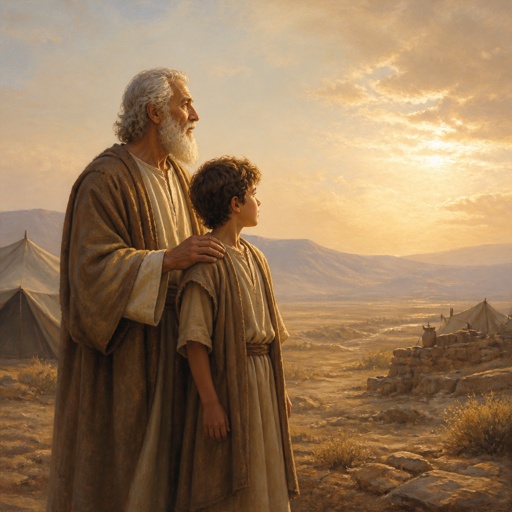
"Neither, because they are the seed of Abraham, are they all children: but, In Isaac shall thy seed be called." - Romans 9:7

Romans 10:9

Romans 10:9

Romans 7:19

Romans 7:12

Romans 9:9 - "For this is the word of promise, At this time will I come, and Sara shall have a son."

Romans 6:7 - "For he that is dead is freed from sin."

Romans 9:12 - "It was said unto her, The elder shall serve the younger."

Romans 9:14 - "What shall we say then? Is there unrighteousness with God? God forbid."

Romans 7:12 - "Wherefore the law is holy, and the commandment holy, and just, and good."

Romans 14:7 - "For none of us liveth to himself, and no man dieth to himself."

Romans 7:17 - "Now then it is no more I that do it, but sin that dwelleth in me."

Romans 7:22 - "For I delight in the law of God after the inward man:"

Romans 16:9 - "Salute Urbane, our helper in Christ, and Stachys my beloved."

Romans 9:2 - "That I have great heaviness and continual sorrow in my heart."

Romans 9:8 - "That is, They which are the children of the flesh, these are not the children of God: but the children of the promise are counted for the seed."

Romans 7:10 - "And the commandment, which was ordained to life, I found to be unto death."

Romans 4:7 - "Saying, Blessed are they whose iniquities are forgiven, and whose sins are covered."

Romans 7:11 - "For sin, taking occasion by the commandment, deceived me, and by it slew me."

Romans 9:32 - "Wherefore? Because they sought it not by faith, but as it were by the works of the law. For they stumbled at that stumblingstone;"

Romans 9:13 - "As it is written, Jacob have I loved, but Esau have I hated."

Romans 9:16 - "So then it is not of him that willeth, nor of him that runneth, but of God that sheweth mercy."

Romans 12:7 - "Or ministry, let us wait on our ministering: or he that teacheth, on teaching;"

Romans 12:9 - "Let love be without dissimulation. Abhor that which is evil; cleave to that which is good."

Romans 9:31 - "But Israel, which followed after the law of righteousness, hath not attained to the law of righteousness."

Romans 9:24 - "Even us, whom he hath called, not of the Jews only, but also of the Gentiles?"

Romans 9:6 - "Not as though the word of God hath taken none effect. For they are not all Israel, which are of Israel:"