What does Romans 8:13 mean?
“For if ye live after the flesh, ye shall die: but if ye through the Spirit do mortify the deeds of the body, ye shall live.” — Romans 8:13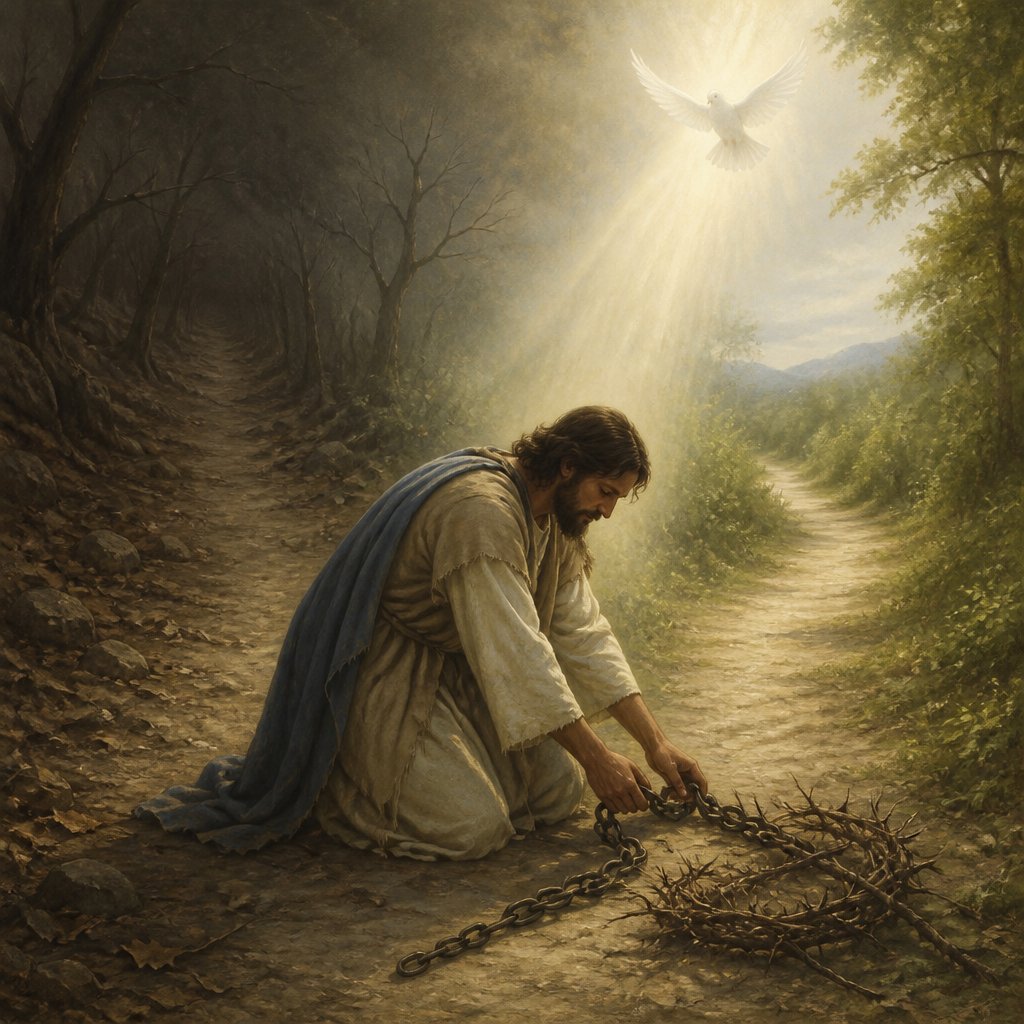
Romans 8:13 in the King James Version of the Bible states, "For if ye live after the flesh, ye shall die: but if ye through the Spirit do mortify the deeds of the body, ye shall live." This verse is a part of the larger passage in Romans 8 that addresses the concept of life in the Spirit and the transformation that occurs within believers as a result of their faith in Christ.
The themes present in this verse are centered around the contrast between living according to the flesh and living in the Spirit. The flesh represents the sinful nature of humanity, characterized by selfish desires, worldly pursuits, and disobedience to God's will. Living according to the flesh leads to spiritual death, as it separates individuals from God and results in eternal damnation. On the other hand, living in the Spirit involves surrendering to the guidance and empowerment of the Holy Spirit, which enables believers to overcome the sinful nature of the flesh and experience spiritual life and freedom in Christ.
The context of Romans 8:13 is crucial to understanding its significance within the broader message of the book of Romans. The apostle Paul, the author of Romans, was writing to the Christian community in Rome to address various theological and ethical issues. In Romans 8, Paul emphasizes the transformative power of the Holy Spirit in the lives of believers and the assurance of their salvation through faith in Christ. He contrasts the bondage to sin and death with the freedom and life available to those who are indwelt by the Spirit.
The symbolism in Romans 8:13 is rooted in the imagery of death and life, which serves as a metaphor for the spiritual reality of sin and redemption. The concept of "mortifying the deeds of the body" symbolizes the putting to death of the sinful inclinations and behaviors that arise from the flesh. This purification process involves the conscious effort of believers to resist temptation, repent of their sins, and align their lives with God's will. As a result, they are able to experience the fullness of life that comes from being in Christ and walking in obedience to the Spirit.
Furthermore, the dichotomy between the flesh and the Spirit serves as a symbolic representation of the internal struggle that believers face in their quest for holiness and righteousness. The flesh symbolizes the corrupt and fallen nature of humanity, while the Spirit represents the divine presence and power that enables believers to overcome sin and live victoriously. This symbolism underscores the spiritual warfare that takes place within the hearts and minds of believers, as they seek to resist the allure of the flesh and yield to the transformative work of the Spirit.
In summary, Romans 8:13 in the King James Version of the Bible conveys profound truths about the nature of spiritual life and the transformative power of the Holy Spirit. It illuminates the contrast between living according to the flesh and living in the Spirit, and emphasizes the need for believers to actively engage in the process of putting to death the sinful deeds of the body. This verse encapsulates the ongoing struggle for holiness and the promise of abundant life that is available to those who are led by the Spirit.
Get our apps


Artwork for Romans 8:13

Romans 8:13 - "For if ye live after the flesh, ye shall die: but if ye through the Spirit do mortify the deeds of the body, ye shall live."
"For if ye live after the flesh, ye shall die: but if ye through the Spirit do mortify the deeds of the body, ye shall live." - Romans 8:13

Romans 13:8

Romans 13:8

depict the theme of Romans 13:8-14

Romans 13:8 - "Owe no man any thing, but to love one another: for he that loveth another hath fulfilled the law."

Illustrate the concept of Time to Wake Up: Living with Urgency and Love found in Romans 13:8-14.

Illustrate the concept of Time to Wake Up: Living with Urgency and Love found in Romans 13:8-14.

"Owe no man any thing, but to love one another: for he that loveth another hath fulfilled the law." - Romans 13:8

Illustrate the concept of owing nothing to anyone except in loving one another, from Romans 13:8.

Illustrate the concept of Time to Wake Up: Living with Urgency and Love found in Romans 13:8-14.

Illustrate the concept of Time to Wake Up: Living with Urgency and Love found in Romans 13:8-14.

Illustrate the concept of owing nothing to anyone except in loving one another, from Romans 13:8.

Illustrate the concept of Time to Wake Up: Living with Urgency and Love found in Romans 13:8-14.

Matthew 8:13

Matthew 8:13

Matthew 8:13

Romans 8

romans 8

Romans 8:8 - "So then they that are in the flesh cannot please God."

"Owe no man any thing, but to love one another: for he that loveth another hath fulfilled the law." - Romans 13:8

Romans 8:18

Romans 8:19

Romans 8:28

Romans 8:31

Romans chapter 8

Romans 8:14

Romans 5:8

Romans 8:28

romans 8:38