What does Romans 8:20 mean?
“For the creature was made subject to vanity, not willingly, but by reason of him who hath subjected the same in hope,” — Romans 8:20
Romans 8:20 in the King James Version of the Bible states, "For the creature was made subject to vanity, not willingly, but by reason of him who hath subjected the same in hope." This verse is part of Paul's letter to the Romans, where he discusses the Christian's struggle with sin and the freedom found in Christ.
The verse begins by referencing "the creature," which can be interpreted as all of God's creation, including humanity. It says that the creature was made subject to vanity, meaning that it is subjected to a futile or meaningless existence. This echoes the narrative of the fall in Genesis, where Adam and Eve's sin resulted in the curse of toil and suffering for all of creation (Genesis 3:17-19).
The verse then elaborates on the condition of being subject to vanity. It is not a state that the creature willingly accepted, but rather one that was imposed upon it by the will of God. This points to the sovereignty of God, who allowed for the consequences of sin to impact all of creation. However, it is important to note that this subjection to vanity is not without purpose. The verse continues by stating that the creature was subjected in hope.
This element of hope is significant in understanding the broader context of Romans 8. Paul speaks extensively about the hope that comes through Jesus Christ. In the preceding verses, he mentions the suffering of the present time being incomparable to the glory that will be revealed in us (Romans 8:18). He also talks about creation eagerly awaiting the revealing of the sons of God and being set free from its bondage to corruption (Romans 8:19-21).
In light of this context, Romans 8:20 can be seen as affirming the redemptive plan of God. Despite the fallen state of creation, there is hope for restoration and renewal. The subjection to vanity is not the end of the story; rather, it is a temporary state that will ultimately give way to the fulfillment of God's promises.
The themes of redemption, suffering, and hope are central to this verse. It acknowledges the present brokenness of the world while pointing to the hope of future restoration. This tension between the current state of creation and the promise of its ultimate redemption is a recurring theme in the Bible.
The verse also carries symbolic significance. The term "vanity" can be understood as pointing to the emptiness and futility of life apart from God. It reflects the brokenness and unfulfilled nature of the world as a result of sin. However, the hope mentioned in the verse serves as a counterbalance to this vanity. It represents the prospect of a new reality, free from the limitations and suffering of the present world.
In conclusion, Romans 8:20 encapsulates the broader theological themes of redemption, suffering, and hope within the context of God's sovereignty. It acknowledges the impact of sin on creation while affirming the ultimate purpose and hope found in Christ. This verse serves as a reminder for Christians to remain steadfast in hope, knowing that God's redemptive plan extends to all of creation.
Get our apps


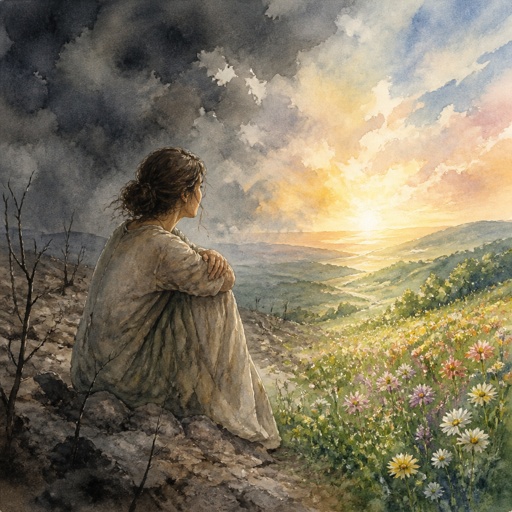
Artwork for Romans 8:20

Romans 8:20 - "For the creature was made subject to vanity, not willingly, but by reason of him who hath subjected the same in hope,"

"For the creature was made subject to vanity, not willingly, but by reason of him who hath subjected the same in hope," - Romans 8:20

Romans 8

romans 8

Romans 8:8 - "So then they that are in the flesh cannot please God."
Romans 8:18

Romans 8:31

Romans 8:28

Romans 8:19

Romans 13:8

Romans 8:28

Romans chapter 8

Romans 8:14

romans 8:38

Romans 5:8

Romans 8:35

Romans 5:8

Romans 8:28

Romans 13:8

Romans 5:8

Romans 8:6

Romans 8:16

Romans 8:28

Romans 8:19

Romans 8:31

Romans 8:1

Romans 8:29

Romans 8:31
Romans 8:28

Romans 8:11