What does Romans 8:26 mean?
“Likewise the Spirit also helpeth our infirmities: for we know not what we should pray for as we ought: but the Spirit itself maketh intercession for us with groanings which cannot be uttered.” — Romans 8:26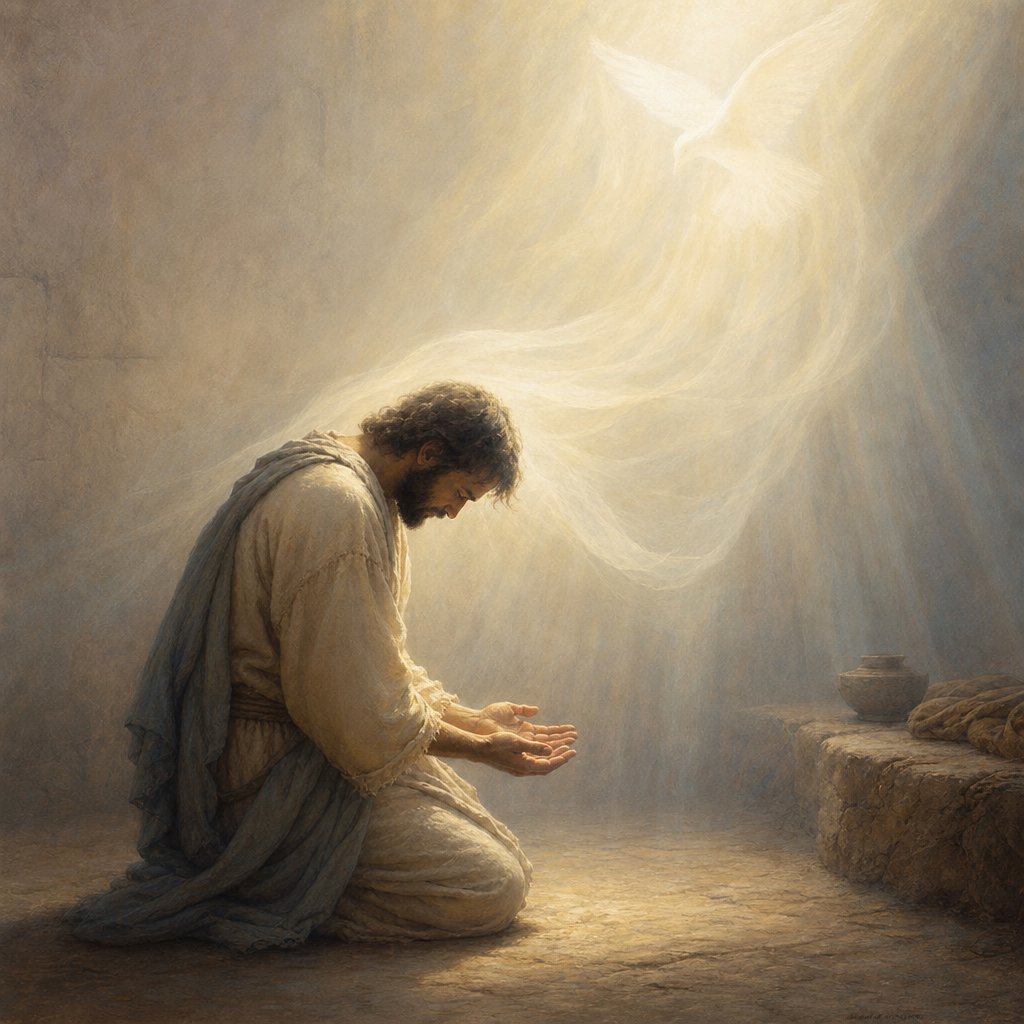
“Likewise the Spirit also helpeth our infirmities: for we know not what we should pray for as we ought: but the Spirit itself maketh intercession for us with groanings which cannot be uttered.” Romans 8:26, KJV.
Romans 8:26 sits inside a chapter that is written to steady believers who live in the tension between what God has already done in Christ and what has not yet been fully revealed in them. Earlier in the same chapter Paul speaks of “no condemnation to them which are in Christ Jesus” and of life “after the Spirit,” and then he turns to suffering, hope, and waiting. Just before this verse he describes creation and the children of God as groaning while they await “the adoption, to wit, the redemption of our body,” and he says that “we are saved by hope.” The verse begins with “Likewise,” tying it directly to that setting: the groaning of a world under corruption, the groaning of believers who feel weakness and delay, and the endurance of hope while the promised glory is not yet seen. In that very same atmosphere of strain and longing, Paul says that the Spirit also helps.
The first theme is human weakness in prayer. “The Spirit also helpeth our infirmities” does not portray a believer as spiritually self-sufficient, but as someone who truly belongs to God and yet remains fragile, burdened, limited, and often confused. The “infirmities” are not only bodily weakness, but the whole condition of the believer still living in a world marked by decay and still learning to live by faith. That weakness shows itself especially in prayer: “for we know not what we should pray for as we ought.” Paul does not say that believers never know what to pray, but that, as a rule, we do not grasp fully what is best, what God is doing, how to weigh present pain against future glory, or how to ask in a way that perfectly fits God’s wise will. The verse is honest about the gap between our need and our understanding. Even when prayer is sincere, the “as we ought” exposes that our petitions can be partial, shortsighted, tangled with fear, or unable to name what is truly needed.
Into that gap enters the Spirit’s ministry. “But the Spirit itself maketh intercession for us.” The meaning is not that the Spirit replaces the believer’s praying, but that the Spirit comes alongside and bears up what is weak. The verb “helpeth” carries the sense of taking hold together with another. The Spirit’s intercession is presented as God’s own action within the believer’s helplessness, so that prayer does not stand or fall on the believer’s eloquence, clarity, or composure. The believer’s security in approaching God is strengthened: the same God who commands prayer also supplies help in prayer, and the Spirit’s intercession is “for us,” on behalf of those who are in Christ and who, in this chapter’s language, “have the Spirit.”
The verse uses striking symbolism in its language of “groanings which cannot be uttered.” In the surrounding context, groaning is already a symbol of the present age under bondage and of a hope that is real but not yet possessed. Creation groans; believers groan; and now the Spirit’s intercession is said to occur “with groanings which cannot be uttered.” This does not reduce prayer to mere emotion, yet it includes the depths of emotion that words cannot capture. The groan is the sound of longing under pressure, the inarticulate cry that comes when suffering, desire, repentance, confusion, and hope all press at once. By saying these groanings “cannot be uttered,” Paul points to a level of spiritual need and communion that exceeds speech. The symbolism is that the truest movements of the heart before God are sometimes wordless, and yet they are not meaningless. The Spirit is present in that wordlessness, shaping it, presenting it, and carrying it Godward.
Another theme is the assurance that prayer aligns with God’s will even when the believer cannot see how. Romans 8 as a whole is concerned with the certainty of God’s saving purpose amid present pain. Romans 8:26 contributes to that certainty by locating the effectiveness of prayer not chiefly in the believer’s precision but in God’s Spirit. The intercession of the Spirit implies that the believer’s life is held within God’s own internal counsel and care. This is especially significant given the chapter’s emphasis on adoption and inheritance. The Spirit is elsewhere in the chapter called “the Spirit of adoption,” and adoption implies a household relationship in which the Father is not a distant judge but a Father who receives His children, even when they can only cry and cannot explain.
Romans 8:26 also teaches that spiritual life is profoundly relational and Trinitarian in its shape, even though the verse speaks simply. There is the believer (“we”), there is “the Spirit,” and there is the implied One to whom intercession is made. Prayer is not presented as a human attempt to climb to God, but as participation in God’s own life given to the believer. The Spirit’s intercession, in the very moment the believer “know[s] not,” signals that God’s help is not only external guidance but internal aid. The significance is that the believer is not abandoned to the limitations of human understanding. Weakness does not disqualify; it becomes the very occasion for divine help.
Finally, the verse gives meaning to the experience of praying in pain. Many read Romans 8:26 as God’s validation of those moments when a believer can only weep, sigh, or sit in silence and yet still turns toward God. In that turning, even without well-formed words, the Spirit is at work. The verse does not romanticize suffering, but it refuses to make suffering the end of the story. In the same chapter that speaks of groaning, it also speaks of hope, love, and God’s unwavering purpose. Romans 8:26 is one of the quiet centers of that hope: when prayer feels weakest and language fails, the Spirit “also helpeth,” and the believer’s communion with God is upheld by God Himself.
Get our apps


Artwork for Romans 8:26

romans 8:26-28

"Likewise the Spirit also helpeth our infirmities: for we know not what we should pray for as we ought: but the Spirit itself maketh intercession for us with groanings which cannot be uttered." - Romans 8:26

Romans 8:26 - "Likewise the Spirit also helpeth our infirmities: for we know not what we should pray for as we ought: but the Spirit itself maketh intercession for us with groanings which cannot be uttered."

Romans 8:26-27 - "In the same way, the Spirit helps us in our weakness. We do not know what we ought to pray for, but the Spirit himself intercedes for us through wordless groans. And he who searches our hearts knows the mind of the Spirit, because the Spirit intercedes for God’s people in accordance with the will of God."
"Likewise the Spirit also helpeth our infirmities: for we know not what we should pray for as we ought: but the Spirit itself maketh intercession for us with groanings which cannot be uttered." - Romans 8:26
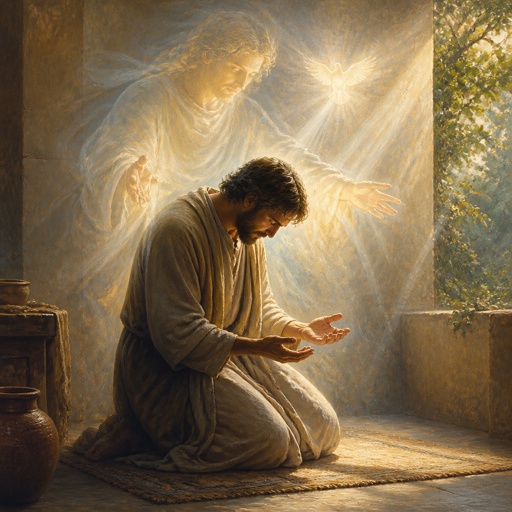
"In the same way, the Spirit helps us in our weakness. We do not know what we ought to pray for, but the Spirit himself intercedes for us through wordless groans. And he who searches our hearts knows the mind of the Spirit, because the Spirit intercedes for God’s people in accordance with the will of God." - Romans 8:26-27

Romans 8

romans 8

Romans 8:8 - "So then they that are in the flesh cannot please God."

Romans 8:18

Romans 8:19

Romans 8:28

Romans 8:31

Romans 13:8

Romans chapter 8

Romans 8:14

Romans 5:8

Romans 8:28

romans 8:38

Romans 8:35

Romans 5:8

Romans 8:28

Romans 13:8

Romans 8:6

Romans 5:8

Romans 8:16

Romans 8:28

Romans 8:19

Romans 8:31

Romans 8:29