What does Romans 9:2 mean?
“That I have great heaviness and continual sorrow in my heart.” — Romans 9:2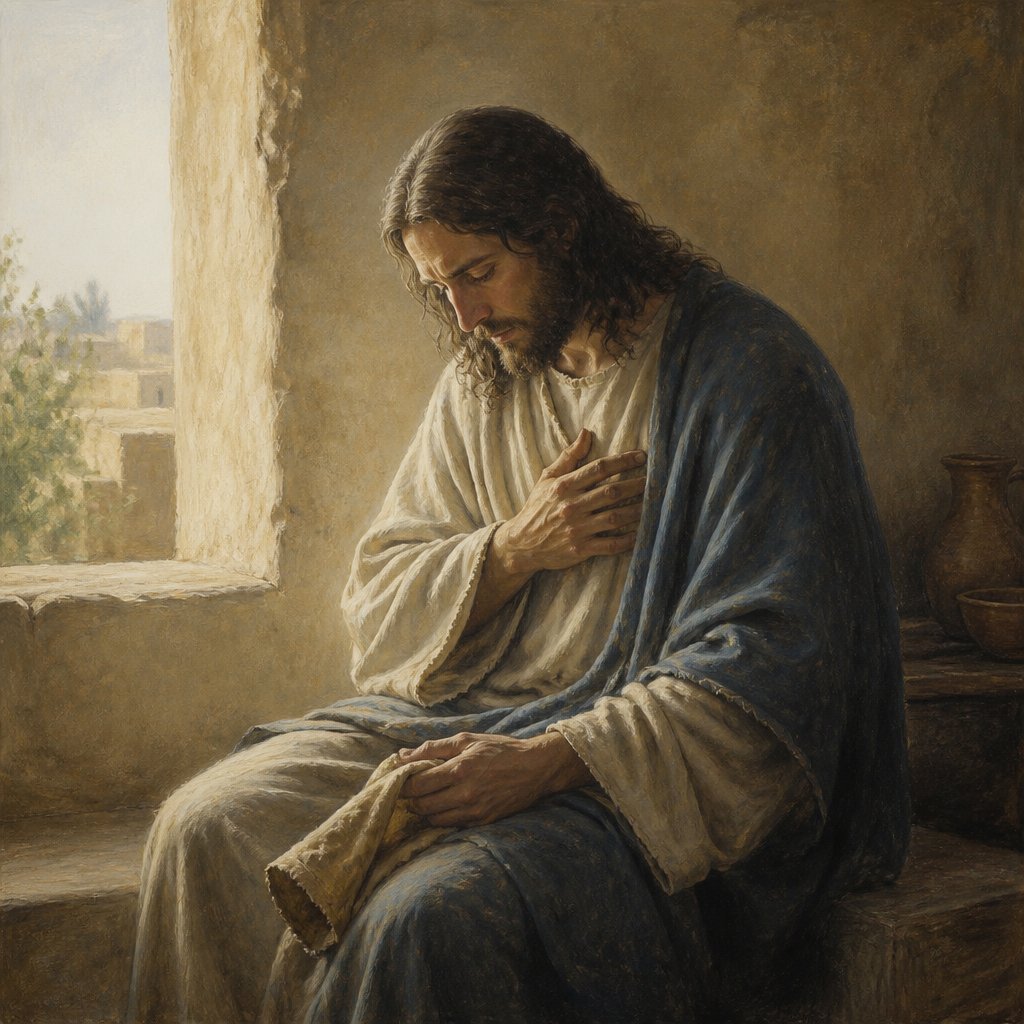
Romans 9:2 from the King James Version (KJV) of the Bible reads: "That I have great heaviness and continual sorrow in my heart." This verse is a powerful and emotional statement from the apostle Paul, expressing the depth of his anguish and sadness over the spiritual condition of his fellow Jews.
The book of Romans is one of the most important and influential books in the New Testament. It was written by the apostle Paul, who was a devout Jew and a fervent preacher of the Gospel. In this letter, Paul addresses the Roman church and discusses the doctrine of salvation, the role of faith in the Christian life, and the relationship between Jews and Gentiles in the plan of God.
In Romans 9, Paul grapples with the issue of the rejection of the gospel by many Jews. He expresses his deep love and concern for his fellow Israelites, who have not embraced Jesus Christ as the Messiah. In verse 2, Paul reveals the intensity of his grief and anguish over the spiritual blindness and unbelief of his kinsmen. The phrase "great heaviness and continual sorrow" conveys the depth of Paul's emotions and the profound burden he carries for the salvation of his people.
The theme of sorrow and grief is a prominent motif in the book of Romans, especially in the context of Paul's discussion of the spiritual condition of the Jews. In Romans 10:1, Paul again expresses his earnest desire for the salvation of Israel, saying, "Brethren, my heart's desire and prayer to God for Israel is, that they might be saved." This heartfelt plea reflects the apostle's deep longing for the redemption of his own people and underscores the significance of his emotional turmoil in Romans 9:2.
The context of Romans 9 is crucial for understanding the full import of verse 2. Paul is grappling with the theological implications of the Jewish rejection of Jesus as the Messiah, and he is seeking to reconcile this reality with God's promises to Israel. Throughout this chapter, he delves into the divine sovereignty in election, God's purposes in choosing individuals for salvation, and the role of faith in God's redemptive plan.
In the broader context of the book of Romans, the theme of God's righteousness and justice is paramount. The apostle Paul expounds on the concept of justification by faith, emphasizing the need for all people, both Jews and Gentiles, to receive God's righteousness through believing in Jesus Christ. The deep sorrow and anguish that Paul experiences in Romans 9:2 are rooted in his fervent desire to see his fellow Jews embrace the message of salvation and experience the transformative power of God's grace.
Symbolically, Paul's intense sorrow serves as a poignant reminder of the spiritual struggle and the weighty responsibility of sharing the Gospel. His personal anguish reflects the profound compassion and empathy that he feels for those who are lost and in need of redemption. Furthermore, Paul's sorrow underscores the reality of the human condition and the sobering truth of the need for salvation.
In conclusion, Romans 9:2 from the King James Version of the Bible encapsulates the depth of the apostle Paul's emotional turmoil and his heartfelt concern for the spiritual well-being of his fellow Jews. Within the broader themes of the book of Romans, this verse speaks to the significance of God's righteousness, the power of faith in salvation, and the challenge of reconciling divine sovereignty with human responsibility. Ultimately, Paul's sorrow serves as a poignant reminder of the urgency and compassion that should characterize the Christian's witness to a world in need of God's love and grace.
Get our apps


Artwork for Romans 9:2

Romans 9:2 - "That I have great heaviness and continual sorrow in my heart."
"That I have great heaviness and continual sorrow in my heart." - Romans 9:2

Romans 2:9 - "Tribulation and anguish, upon every soul of man that doeth evil, of the Jew first, and also of the Gentile;"

Romans 10:9

Romans 10:9

Romans 9:9 - "For this is the word of promise, At this time will I come, and Sara shall have a son."
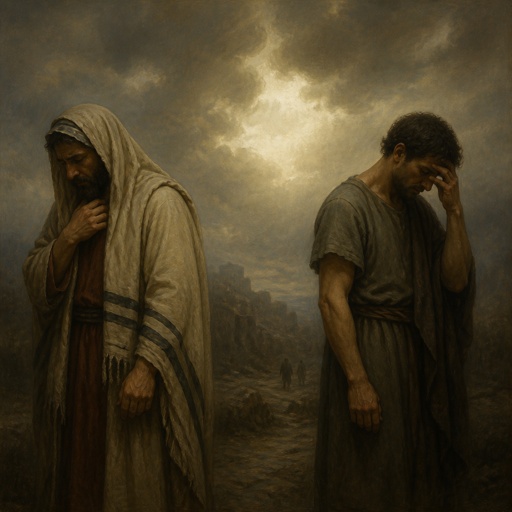
"Tribulation and anguish, upon every soul of man that doeth evil, of the Jew first, and also of the Gentile;" - Romans 2:9

Romans 9:12 - "It was said unto her, The elder shall serve the younger."

Romans 9:14 - "What shall we say then? Is there unrighteousness with God? God forbid."

Romans 12:2

Romans 12:2

Romans 12:2

Romans 12:2

Romans 12:2

Romans 12:2

Romans 12:2

Romans 12:2

Romans 12:2

Romans 12:2

Romans 12:2

Romans 12:2

Romans 12:2

Romans 12:2

Romans 12:2

Romans 16:9 - "Salute Urbane, our helper in Christ, and Stachys my beloved."

Romans 9:8 - "That is, They which are the children of the flesh, these are not the children of God: but the children of the promise are counted for the seed."

Romans 9:32 - "Wherefore? Because they sought it not by faith, but as it were by the works of the law. For they stumbled at that stumblingstone;"

Romans 9:13 - "As it is written, Jacob have I loved, but Esau have I hated."

Romans 9:16 - "So then it is not of him that willeth, nor of him that runneth, but of God that sheweth mercy."

Romans 2:4