What does Romans 9:4 mean?
“Who are Israelites; to whom pertaineth the adoption, and the glory, and the covenants, and the giving of the law, and the service of God, and the promises;” — Romans 9:4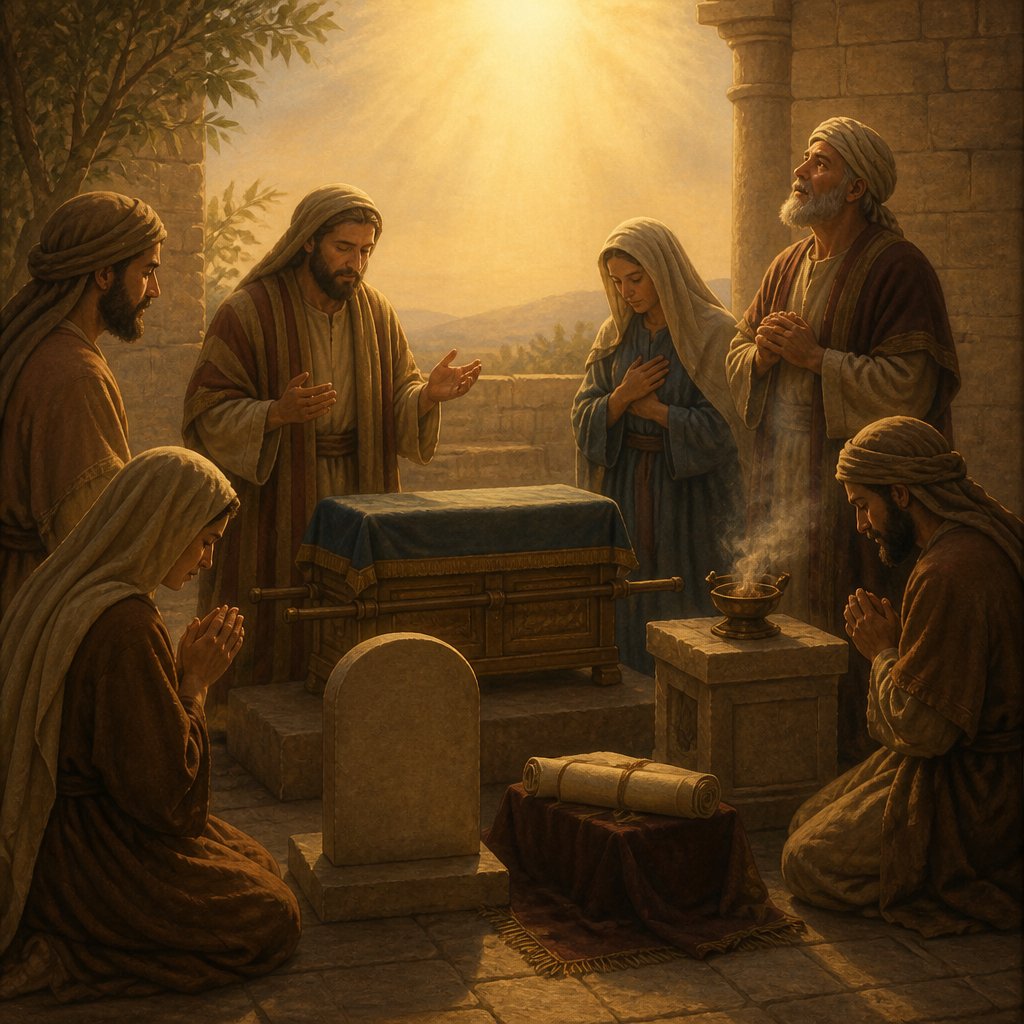
Romans 9:4 in the King James Version of the Bible reads, "Who are Israelites; to whom pertaineth the adoption, and the glory, and the covenants, and the giving of the law, and the service of God, and the promises." This verse is a part of the letter written by the apostle Paul to the Romans, in which he discusses the purpose of God's plan for salvation and the relationship between Jews and Gentiles in the Christian faith.
The verse begins by asserting the identity of the Israelites as the chosen people of God. This is in line with the biblical narrative, which recounts God's covenant with the descendants of Abraham, Isaac, and Jacob, and their role as a chosen nation to be a light to the Gentiles. This statement serves as a reminder to the Jewish Christians in Rome of their unique position in God's plan for redemption.
The verse then lists the privileges and responsibilities that were bestowed upon the Israelites. The first is "the adoption," which refers to God's adoption of the Israelites as His chosen people, a theme that is prevalent throughout the Old Testament. This adoption signifies a special relationship between God and the Israelites, in which they are considered as His beloved children.
Next, the verse mentions "the glory," which likely refers to the presence and manifestation of God's glory among the Israelites. This includes the glory of God's presence in the tabernacle and later the temple, as well as the miraculous signs and wonders that accompanied God's deliverance of the Israelites from slavery in Egypt.
The verse also references "the covenants," indicating the various agreements and promises made by God to the Israelites throughout their history. These covenants include the Abrahamic covenant, the Mosaic covenant, and the Davidic covenant, each of which played a significant role in shaping the identity and destiny of the Israelite people.
"The giving of the law" mentioned in the verse refers to the revelation of the Mosaic Law to the Israelites through Moses. The Law served as a guide for righteous living, a standard of holiness, and a means of maintaining a right relationship with God. It was a central aspect of Israelite identity and was intended to set them apart as a holy nation.
The verse then speaks of "the service of God," a reference to the religious rituals and practices that the Israelites were entrusted with. This includes the duties of the priests, the offering of sacrifices, and the observance of feasts and festivals, all of which were meant to honor and worship God in accordance with His commands.
Finally, the verse mentions "the promises," which encapsulate the many assurances given by God to the Israelites, including the promise of a land, a future king, and ultimately, the promise of a Messiah who would bring salvation and redemption to the world.
In the context of Paul's letter to the Romans, this verse serves as a reminder of the unique role and history of the Israelites in God's plan for salvation. It also sets the stage for Paul's later discussion on the relationship between Jews and Gentiles in the Christian faith. Throughout the letter, Paul addresses the tension and conflicts that arose between Jewish and Gentile believers, emphasizing the need for unity and mutual acceptance within the body of Christ.
Symbolically, this verse represents the rich heritage and spiritual legacy of the Israelite people, and by extension, all who are grafted into the faith of Abraham. It underscores the faithfulness of God in fulfilling His promises and the importance of recognizing and honoring the Jewish roots of the Christian faith.
In conclusion, Romans 9:4 is a significant verse that captures the history, privileges, and responsibilities of the Israelite people within the broader narrative of God's plan for salvation. It serves as a reminder of the faithfulness of God to His chosen people and the need for unity and mutual respect within the body of Christ.
Get our apps


Artwork for Romans 9:4

Romans 9:4 - "Who are Israelites; to whom pertaineth the adoption, and the glory, and the covenants, and the giving of the law, and the service of God, and the promises;"
"Who are Israelites; to whom pertaineth the adoption, and the glory, and the covenants, and the giving of the law, and the service of God, and the promises;" - Romans 9:4

Romans 4:9 - "Cometh this blessedness then upon the circumcision only, or upon the uncircumcision also? for we say that faith was reckoned to Abraham for righteousness."

Romans 10:9

Romans 10:9

Romans 9:9 - "For this is the word of promise, At this time will I come, and Sara shall have a son."

Romans 2:4

Romans 4:3

Romans 4:4 - "Now to him that worketh is the reward not reckoned of grace, but of debt."

"Cometh this blessedness then upon the circumcision only, or upon the uncircumcision also? for we say that faith was reckoned to Abraham for righteousness." - Romans 4:9

Romans 15:4-6

romans 12: 4-5

Romans 5:4 - "And patience, experience; and experience, hope:"

Romans 9:12 - "It was said unto her, The elder shall serve the younger."

Romans 4:22 - "And therefore it was imputed to him for righteousness."

Romans 9:14 - "What shall we say then? Is there unrighteousness with God? God forbid."

Romans 16:9 - "Salute Urbane, our helper in Christ, and Stachys my beloved."

Romans 9:2 - "That I have great heaviness and continual sorrow in my heart."

Romans 9:8 - "That is, They which are the children of the flesh, these are not the children of God: but the children of the promise are counted for the seed."

Romans 4:8 - "Blessed is the man to whom the Lord will not impute sin."

Romans 9:32 - "Wherefore? Because they sought it not by faith, but as it were by the works of the law. For they stumbled at that stumblingstone;"

Romans 9:13 - "As it is written, Jacob have I loved, but Esau have I hated."

Romans 9:16 - "So then it is not of him that willeth, nor of him that runneth, but of God that sheweth mercy."

Romans 4:15 - "Because the law worketh wrath: for where no law is, there is no transgression."

Romans 10:4 - "For Christ is the end of the law for righteousness to every one that believeth."

Romans 4:23 - "Now it was not written for his sake alone, that it was imputed to him;"

Romans 12:9 - "Let love be without dissimulation. Abhor that which is evil; cleave to that which is good."

Romans 9:31 - "But Israel, which followed after the law of righteousness, hath not attained to the law of righteousness."

Romans 9:24 - "Even us, whom he hath called, not of the Jews only, but also of the Gentiles?"

Romans 4:7 - "Saying, Blessed are they whose iniquities are forgiven, and whose sins are covered."