What does Ruth 1:13 mean?
“Would ye tarry for them till they were grown? would ye stay for them from having husbands? nay, my daughters; for it grieveth me much for your sakes that the hand of the LORD is gone out against me.” — Ruth 1:13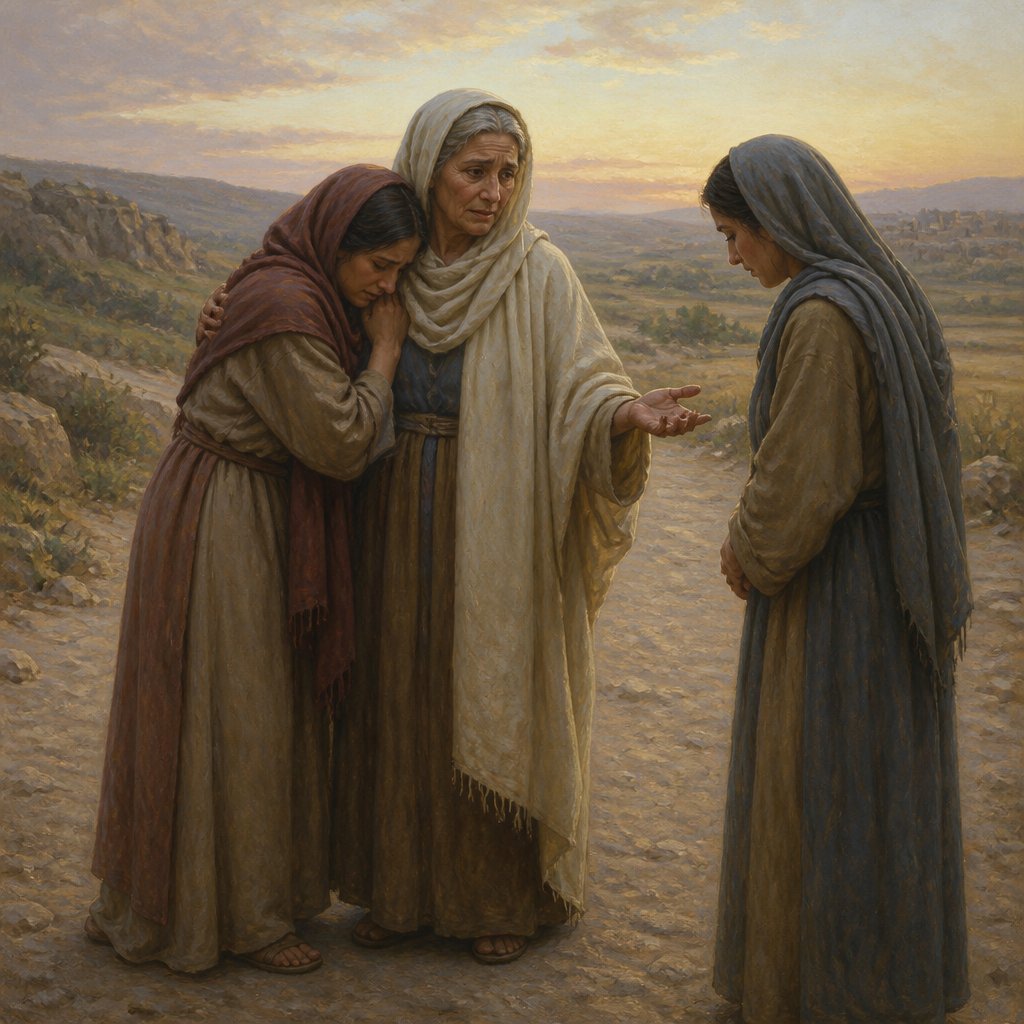
Ruth 1:13 in the King James Version of the Bible reads: "Would ye tarry for them till they were grown? would ye stay for them from having husbands? nay, my daughters; for it grieveth me much for your sakes that the hand of the Lord is gone out against me."
This verse comes from the book of Ruth in the Old Testament. The book of Ruth tells the story of a Moabite woman, Ruth, who chooses to stay with her mother-in-law, Naomi, after the death of their husbands. This verse is spoken by Naomi to her daughters-in-law, Orpah and Ruth, as she encourages them to return to their own families in Moab, rather than staying with her in Judah.
The first part of the verse, "Would ye tarry for them till they were grown? would ye stay for them from having husbands?" reflects the cultural and societal expectations of the time. In ancient Israelite society, it was expected that women would marry and have children, and Naomi is acknowledging that if her daughters-in-law stayed with her, they would likely have to wait a long time to remarry and have children. She is concerned for their future and well-being, recognizing the difficulties they would face if they were to continue on with her.
However, the second part of the verse, "nay, my daughters; for it grieveth me much for your sakes that the hand of the Lord is gone out against me," reveals Naomi's own personal sorrow and struggle. She expresses deep sadness and anguish over the fact that she believes the hand of the Lord has gone out against her. Naomi is grieving the loss of her husband and sons, and she feels as though she has been abandoned by God.
The themes present in this verse include love, sacrifice, faith, and the sovereignty of God. Naomi's willingness to let go of her daughters-in-law, even though she loves them, demonstrates her selfless concern for their well-being. She is willing to make a difficult choice for their sakes, knowing that it is in their best interest to return to their homeland. This act of sacrifice and selflessness reflects the love that Naomi has for her daughters-in-law.
The verse also touches on the theme of faith and the sovereignty of God. Naomi feels as though the hand of the Lord is against her, and she is struggling with her faith in the midst of her personal tragedy. This reflects the human experience of wrestling with the difficult circumstances of life and the feeling of being abandoned by God. However, the story of Ruth ultimately reveals how God is working behind the scenes, orchestrating events for the good of those who trust in Him, despite the hardships they may face.
The context of this verse is important for understanding its significance. Naomi and her family had left Bethlehem during a time of famine and went to live in Moab. However, tragedy struck when Naomi's husband died, followed by the deaths of her two sons. This left Naomi, Ruth, and Orpah in a difficult and uncertain situation. Naomi encourages her daughters-in-law to return to their families in Moab, assuming that they will have a better chance of finding security and happiness there. This verse reflects Naomi's deep love and concern for Ruth and Orpah, as well as her own deep grief and despair.
Symbolism in this verse can be seen in the hand of the Lord and the idea of waiting for something to grow. The hand of the Lord represents God's authority and sovereignty over the events in Naomi's life. In her despair, Naomi feels as though the hand of the Lord has turned against her, but ultimately, God's hand is at work in ways that Naomi cannot see at this moment.
The idea of waiting for something to grow represents the waiting and patience required in difficult circumstances. Naomi is expressing concern for the future of her daughters-in-law, knowing that they would have to wait a long time to find new husbands and start families if they stayed with her, and she is not willing to subject them to that wait.
In conclusion, Ruth 1:13 in the King James Version offers a powerful insight into the themes of love, sacrifice, faith, and the sovereignty of God. It reflects the personal struggles and sorrow of Naomi, as well as her selfless concern for the well-being of her daughters-in-law. Ultimately, the verse points to the overarching theme of trust in God's providence, even in the midst of difficult and uncertain circumstances.
Get our apps


Artwork for Ruth 1:13

Ruth 1:13 - "Would ye tarry for them till they were grown? would ye stay for them from having husbands? nay, my daughters; for it grieveth me much for your sakes that the hand of the LORD is gone out against me."
"Would ye tarry for them till they were grown? would ye stay for them from having husbands? nay, my daughters; for it grieveth me much for your sakes that the hand of the LORD is gone out against me." - Ruth 1:13

Ruth 4:13 - "¶ So Boaz took Ruth, and she was his wife: and when he went in unto her, the LORD gave her conception, and she bare a son."

Ruth 1:3 - "And Elimelech Naomi's husband died; and she was left, and her two sons."

Ruth 1:14 - "And they lifted up their voice, and wept again: and Orpah kissed her mother in law; but Ruth clave unto her."

Ruth 1:4 - "And they took them wives of the women of Moab; the name of the one was Orpah, and the name of the other Ruth: and they dwelled there about ten years."

ruth, the loyal daughter
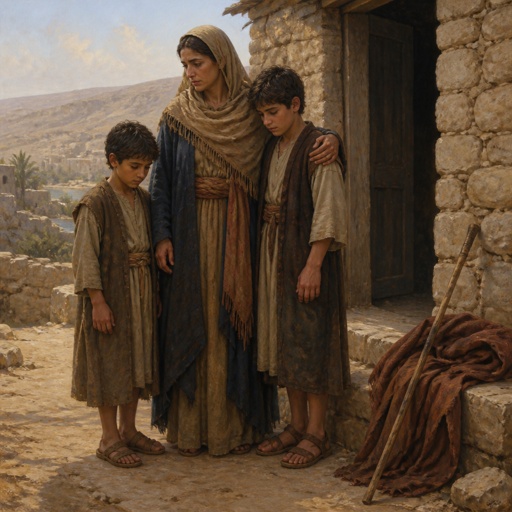
"And Elimelech Naomi's husband died; and she was left, and her two sons." - Ruth 1:3

Ruth 1:22 - "So Naomi returned, and Ruth the Moabitess, her daughter in law, with her, which returned out of the country of Moab: and they came to Beth-lehem in the beginning of barley harvest."
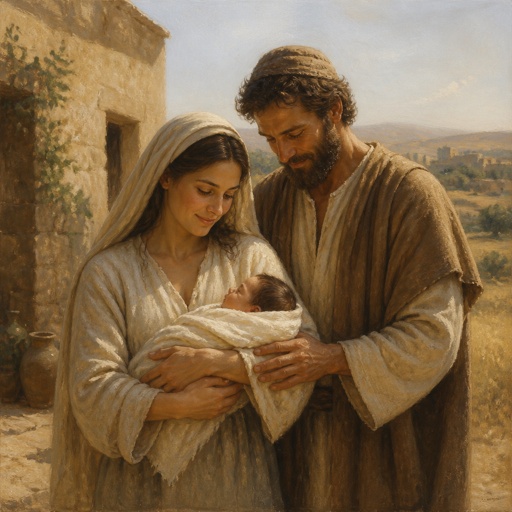
"¶ So Boaz took Ruth, and she was his wife: and when he went in unto her, the LORD gave her conception, and she bare a son." - Ruth 4:13

Ruth 1:16 - "And Ruth said, Intreat me not to leave thee, or to return from following after thee: for whither thou goest, I will go; and where thou lodgest, I will lodge: thy people shall be my people, and thy God my God:"

Ruth 3:1 - "Then Naomi her mother in law said unto her, My daughter, shall I not seek rest for thee, that it may be well with thee?"
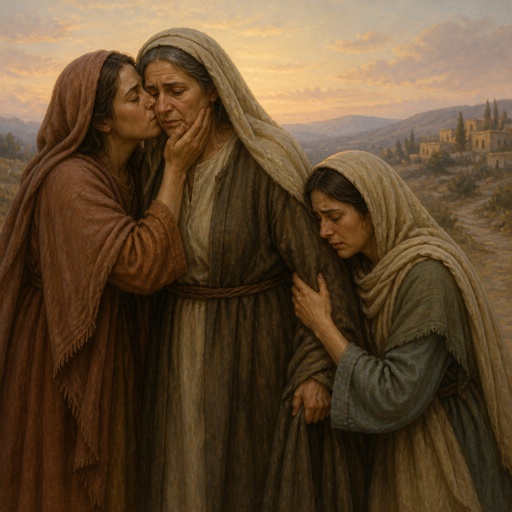
"And they lifted up their voice, and wept again: and Orpah kissed her mother in law; but Ruth clave unto her." - Ruth 1:14

Ruth 1:10 - "And they said unto her, Surely we will return with thee unto thy people."
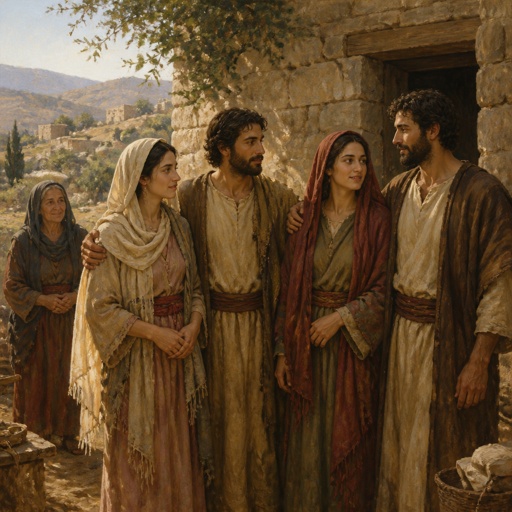
"And they took them wives of the women of Moab; the name of the one was Orpah, and the name of the other Ruth: and they dwelled there about ten years." - Ruth 1:4

Matthew 1:5 - "And Salmon begat Booz of Rachab; and Booz begat Obed of Ruth; and Obed begat Jesse;"

Ruth 1:18 - "When she saw that she was stedfastly minded to go with her, then she left speaking unto her."

Ruth 1:5 - "And Mahlon and Chilion died also both of them; and the woman was left of her two sons and her husband."

Ruth 2:1 - "And Naomi had a kinsman of her husband's, a mighty man of wealth, of the family of Elimelech; and his name was Boaz."

Ruth 2:13 - "Then she said, Let me find favour in thy sight, my lord; for that thou hast comforted me, and for that thou hast spoken friendly unto thine handmaid, though I be not like unto one of thine handmaidens."

Ruth 1:20 - "And she said unto them, Call me not Naomi, call me Mara: for the Almighty hath dealt very bitterly with me."
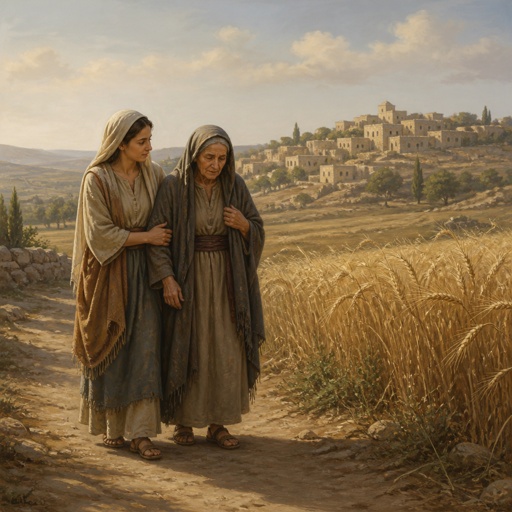
"So Naomi returned, and Ruth the Moabitess, her daughter in law, with her, which returned out of the country of Moab: and they came to Beth-lehem in the beginning of barley harvest." - Ruth 1:22

Ruth 1:17 - "Where thou diest, will I die, and there will I be buried: the LORD do so to me, and more also, if ought but death part thee and me."

Ruth 1:1 - "Now it came to pass in the days when the judges ruled, that there was a famine in the land. And a certain man of Beth-lehem-judah went to sojourn in the country of Moab, he, and his wife, and his two sons."

Ruth 1:11 - "And Naomi said, Turn again, my daughters: why will ye go with me? are there yet any more sons in my womb, that they may be your husbands?"

Ruth 1:7 - "Wherefore she went forth out of the place where she was, and her two daughters in law with her; and they went on the way to return unto the land of Judah."

Ruth 1:9 - "The LORD grant you that ye may find rest, each of you in the house of her husband. Then she kissed them; and they lifted up their voice, and wept."

Ruth 1:16-17 - "But Ruth replied, "Don't urge me to leave you or to turn back from you. Where you go I will go, and where you stay I will stay. Your people will be my people and your God my God. Where you die I will die, and there I will be buried. May the LORD deal with me, be it ever so severely, if even death separates you and me.""

Ruth 3:13 - "Tarry this night, and it shall be in the morning, that if he will perform unto thee the part of a kinsman, well; let him do the kinsman's part: but if he will not do the part of a kinsman to thee, then will I do the part of a kinsman to thee, as the LORD liveth: lie down until the morning."

Ruth 1:15 - "And she said, Behold, thy sister in law is gone back unto her people, and unto her gods: return thou after thy sister in law."