What does Song of Solomon 1:6 mean?
"Look not upon me, because I am black, because the sun hath looked upon me: my mother's children were angry with me; they made me the keeper of the vineyards; but mine own vineyard have I not kept." - Song of Solomon 1:6
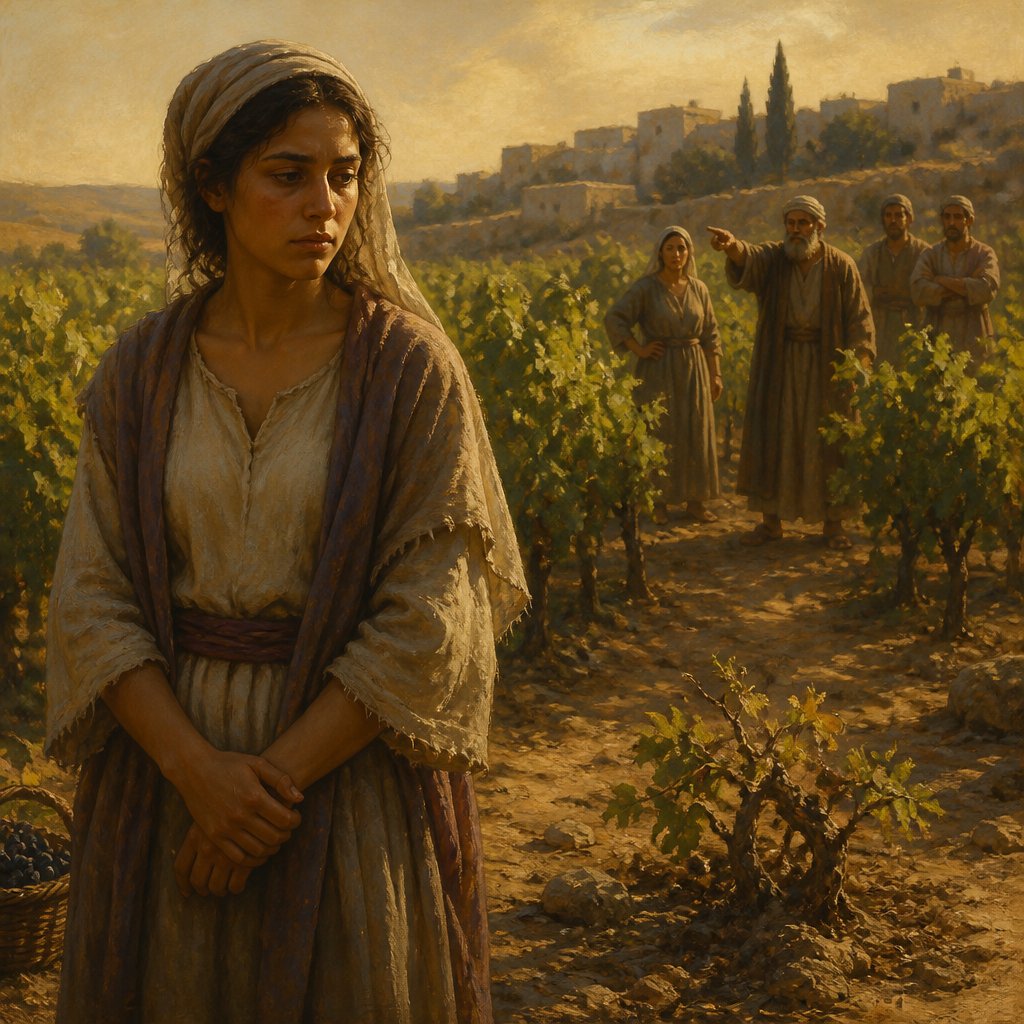
Song of Solomon 1:6 (KJV) "Look not upon me, because I am black, because the sun hath looked upon me: my mother's children were angry with me; they made me the keeper of the vineyards; but mine own vineyard have I not kept."
The Song of Solomon, also known as the Song of Songs, is a beautiful and lyrical book in the Old Testament that celebrates love, desire, and the beauty of human relationships. The verse 1:6 is a poignant and powerful statement that carries deep themes of self-worth, identity, and resilience.
The verse begins with the speaker pleading with the reader or listener, "Look not upon me, because I am black." This line reflects the painful reality of prejudice and discrimination that the speaker faces for their skin color. In a society that prizes fair or light skin, the speaker is made to feel inferior and unworthy because of their blackness. This verse resonates with the experiences of many people of color who have faced similar prejudices and discrimination throughout history.
The speaker goes on to explain the reason for their dark skin, saying, "because the sun hath looked upon me." Here, the speaker attributes their blackness to the sun's rays, suggesting that their skin color is a natural and beautiful result of being exposed to the sun. This can be seen as a powerful assertion of pride and self-acceptance. Instead of apologizing for their blackness, the speaker embraces it as an integral part of who they are.
The verse then takes a poignant turn as the speaker reveals that "my mother's children were angry with me." Here, the speaker references the hostility and rejection they have experienced from their own family. This adds another layer to the speaker's pain and feelings of exclusion. The speaker's blackness has not only caused them to be looked down upon by society but has also led to strife within their own family. This suggests a deep sense of betrayal and longing for acceptance.
The verse concludes with the revelation that the speaker has been made "the keeper of the vineyards" by their mother's children, but they have not been able to tend to their "own vineyard." This metaphorical language paints a vivid picture of the speaker's responsibilities and burdens. They have been tasked with caring for the needs of others, symbolized by the vineyards, while neglecting their own well-being and desires. This can be interpreted as a commentary on the speaker's selflessness and resilience in the face of adversity.
Overall, Song of Solomon 1:6 is a deeply moving and profound verse that addresses themes of identity, prejudice, rejection, and resilience. It speaks to the universal human experience of longing for acceptance, grappling with discrimination, and finding strength in the face of adversity. It is a powerful reminder of the importance of embracing our own uniqueness and worth, despite societal pressures and injustices.
In a broader biblical context, this verse can also be interpreted as a reflection of God's love and acceptance. Regardless of our outward appearance or the judgments of others, God sees and loves us for who we truly are. The verse can serve as a source of comfort and empowerment for those who have experienced discrimination or rejection, reminding them that they are valued and cherished in God's eyes.
In conclusion, Song of Solomon 1:6 is a profound and thought-provoking verse that addresses complex and universal themes of identity, prejudice, and resilience. It invites readers to empathize with the pain of discrimination while also finding strength and acceptance in their own worth. In a biblical context, it serves as a powerful reminder of God's unwavering love and acceptance for all.
Have questions about Song of Solomon 1:6?
Dive deeper into this scripture with Bible Chat — an AI-powered tool for exploring God's Word through conversation. Ask questions, get context, and grow in your understanding of the Bible.
Get Our Apps


Song of Solomon 1:6 Artwork

Song of Solomon 1:6 - "Look not upon me, because I am black, because the sun hath looked upon me: my mother's children were angry with me; they made me the keeper of the vineyards; but mine own vineyard have I not kept."
"Look not upon me, because I am black, because the sun hath looked upon me: my mother's children were angry with me; they made me the keeper of the vineyards; but mine own vineyard have I not kept." - Song of Solomon 1:6

Songs of Solomon 1:2

Song of Solomon 1:4

Song of Solomon 1:4

Song of Solomon 1:1 - "The song of songs, which is Solomon's."
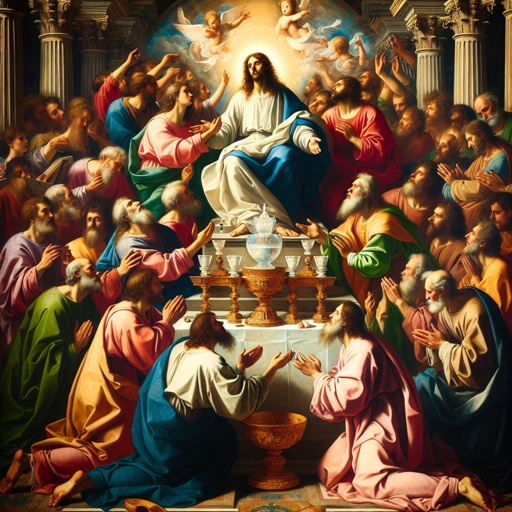
1 Songs of Solomon 1:1
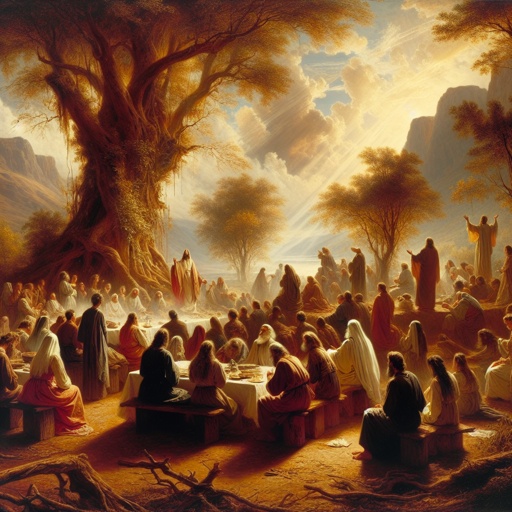
1 songs of Solomon 1:2
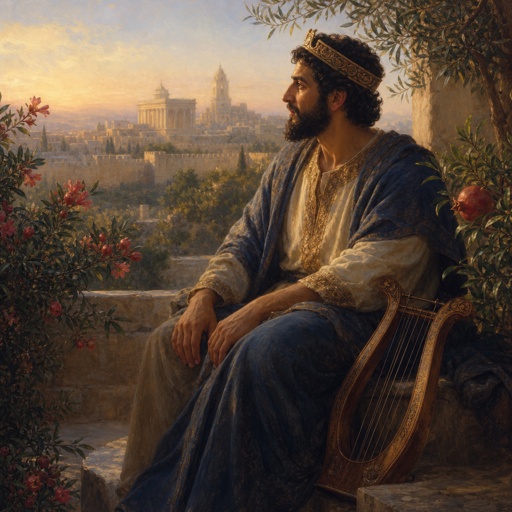
"The song of songs, which is Solomon's." - Song of Solomon 1:1

Song of Solomon 1:12 - "¶ While the king sitteth at his table, my spikenard sendeth forth the smell thereof."

Song of Solomon 1:11 - "We will make thee borders of gold with studs of silver."

Song of Solomon 1:5 - "I am black, but comely, O ye daughters of Jerusalem, as the tents of Kedar, as the curtains of Solomon."

Song of Solomon 1:15 - "Behold, thou art fair, my love; behold, thou art fair; thou hast doves' eyes."

Song of Solomon 1:9 - "I have compared thee, O my love, to a company of horses in Pharaoh's chariots."

Song of Solomon 1:17 - "The beams of our house are cedar, and our rafters of fir."

Song of Solomon 1:14 - "My beloved is unto me as a cluster of camphire in the vineyards of En-gedi."

Song of Solomon 1:16 - "Behold, thou art fair, my beloved, yea, pleasant: also our bed is green."

Song of Solomon 6:8 - "There are threescore queens, and fourscore concubines, and virgins without number."

Song of Solomon 1:13 - "A bundle of myrrh is my wellbeloved unto me; he shall lie all night betwixt my breasts."

Song of Solomon 6:7 - "As a piece of a pomegranate are thy temples within thy locks."

Song of Solomon 1:10 - "Thy cheeks are comely with rows of jewels, thy neck with chains of gold."

Song of Solomon 2:15

Song of Solomon 5:11

Song of Solomon 2:3

Song of Solomon 2:15
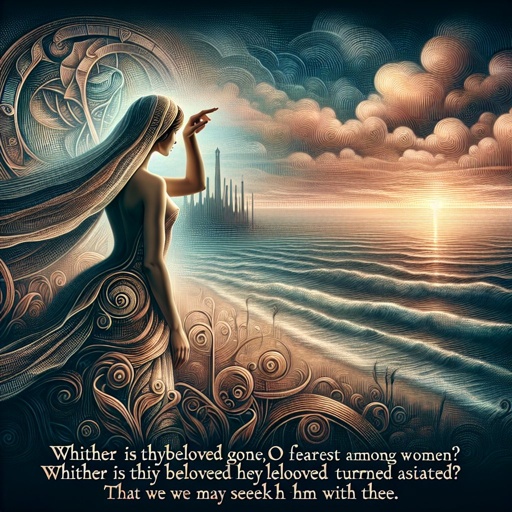
Song of Solomon 6:1 - "Whither is thy beloved gone, O thou fairest among women? whither is thy beloved turned aside? that we may seek him with thee."

Song of Solomon 7:6 - "How fair and how pleasant art thou, O love, for delights!"

"The beams of our house are cedar, and our rafters of fir." - Song of Solomon 1:17

Song of Solomon 1:2 - "Let him kiss me with the kisses of his mouth: for thy love is better than wine."

Song of Solomon 1:3 - "Because of the savour of thy good ointments thy name is as ointment poured forth, therefore do the virgins love thee."