What does Song of Solomon 2:5 mean?
“Stay me with flagons, comfort me with apples: for I am sick of love.” — Song of Solomon 2:5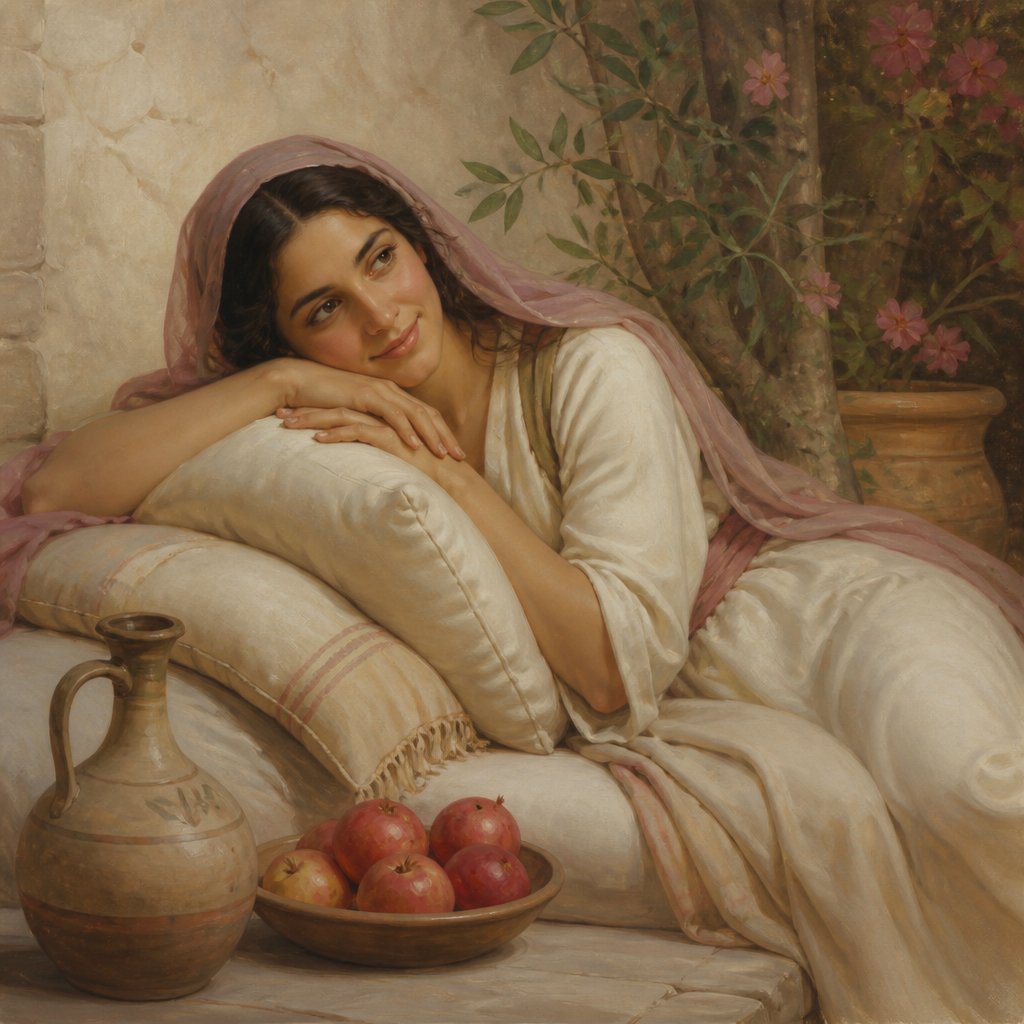
Song of Solomon 2:5 from the King James Version of the Bible reads, "Stay me with flagons, comfort me with apples: for I am sick of love." This passage is a part of the Old Testament book of Song of Solomon, also known as Song of Songs. The book is a collection of love poems, often thought to be written by King Solomon, celebrating the love between a man and a woman.
In this specific verse, the speaker is asking for comfort and support in the intoxicating experience of love. They request to be "stayed" with flagons, or wine, and comforted with apples, both of which were considered luxurious and pleasurable at the time. The phrase "for I am sick of love" indicates the overwhelming and consuming nature of the speaker's emotions.
The Song of Solomon has long been a source of fascination and debate among religious scholars and readers. While some interpret it as a straightforward celebration of human love, others view it as an allegory for the love between God and his people. The book is also often cited as an exploration of the physical and emotional aspects of romantic love within the context of marriage.
The verse itself is rich with symbolism and imagery. The call for comfort and support in the form of wine and apples reflects the speaker's desire for relief from the intense emotions of love. The use of wine and apples as symbols of indulgence and pleasure serves to emphasize the luxurious and overwhelming nature of the speaker's feelings. The use of the phrase "sick of love" suggests both a sense of desperation and a need for balance or stability in the midst of overpowering emotions.
The imagery in this verse also has deeper spiritual connotations. Wine is often used in the Bible as a symbol of joy, celebration, and abundance. In the New Testament, Jesus even uses wine as a symbol of his own blood, representing the sacrificial nature of his death. Apples, on the other hand, are often associated with knowledge and temptation, as seen in the story of Adam and Eve in the book of Genesis. Thus, the request for comfort with these specific elements can be seen as a plea for spiritual sustenance and guidance in the face of overwhelming love.
In terms of themes, this verse speaks to the universal human experience of love and the emotional intensity it can bring. The speaker's request for comfort and support reflects a desire for stability and balance in the midst of intense emotions. This theme of seeking solace and support is one that resonates with people of all ages and cultures, making the Song of Solomon a timeless and relatable text.
The context of this verse within the larger Song of Solomon is important to consider. The book as a whole is a celebration of love and desire, with vivid and sensual imagery used throughout. The speaker's longing for comfort and support in this verse is just one aspect of the complex and multifaceted exploration of love found in the book.
Overall, Song of Solomon 2:5 is a poignant and evocative expression of the overwhelming nature of love and the universal human need for comfort and support. Whether read as a celebration of human love, an allegory for the divine love of God, or a combination of both, this verse offers deep insight into the complexities of human emotions and the ways in which we seek solace in the face of overwhelming feelings.
Get our apps


Artwork for Song of Solomon 2:5

Song of Solomon 2:5 - "Stay me with flagons, comfort me with apples: for I am sick of love."
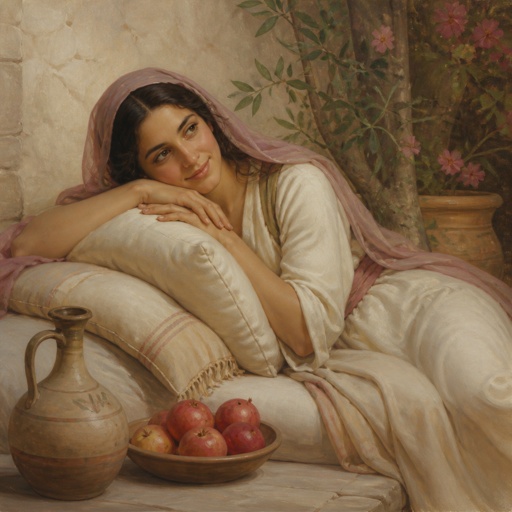
"Stay me with flagons, comfort me with apples: for I am sick of love." - Song of Solomon 2:5

Song of Solomon 2:3

Song of Solomon 2:15

Song of Solomon 2:15

Song of Solomon 5:11

Song of Solomon 2:2 - "As the lily among thorns, so is my love among the daughters."

Song of Solomon 2:11 - "For, lo, the winter is past, the rain is over and gone;"

Song of Solomon 2:1 - "I am the rose of Sharon, and the lily of the valleys."

Song of Solomon 1:5 - "I am black, but comely, O ye daughters of Jerusalem, as the tents of Kedar, as the curtains of Solomon."

Song of Solomon 2:16 - "¶ My beloved is mine, and I am his: he feedeth among the lilies."

Song of Solomon 2:4 - "He brought me to the banqueting house, and his banner over me was love."

Song of Solomon 2:6 - "His left hand is under my head, and his right hand doth embrace me."

Song of Solomon 2:8 - "¶ The voice of my beloved! behold, he cometh leaping upon the mountains, skipping upon the hills."

Song of Solomon 2:10 - "My beloved spake, and said unto me, Rise up, my love, my fair one, and come away."

Song of Solomon 5:10 - "My beloved is white and ruddy, the chiefest among ten thousand."

Song of Solomon 2:15 - "Take us the foxes, the little foxes, that spoil the vines: for our vines have tender grapes."

Song of Solomon 2:1 – "I am a rose of Sharon, a lily of the valleys."

"I am the rose of Sharon, and the lily of the valleys." - Song of Solomon 2:1

Song of Solomon 5:11 - "His head is as the most fine gold, his locks are bushy, and black as a raven."

Song of Solomon 5:12 - "His eyes are as the eyes of doves by the rivers of waters, washed with milk, and fitly set."

Songs of Solomon 1:2
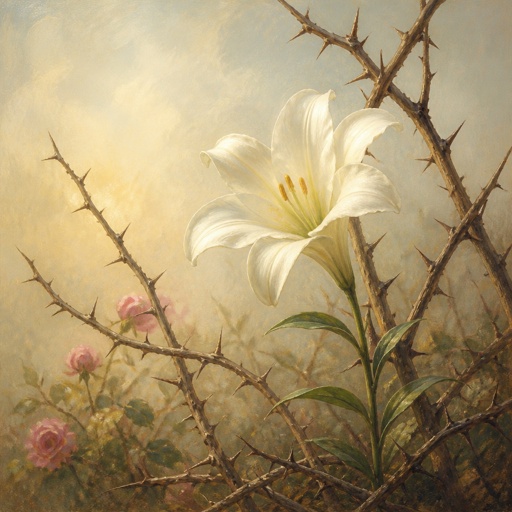
"As the lily among thorns, so is my love among the daughters." - Song of Solomon 2:2

"For, lo, the winter is past, the rain is over and gone;" - Song of Solomon 2:11
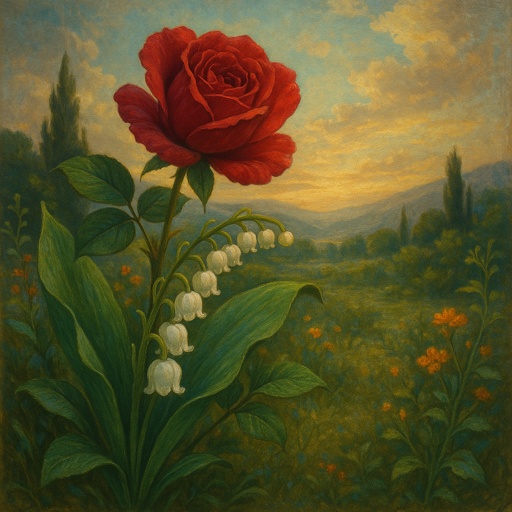
"I am the rose of Sharon, and the lily of the valleys." - Song of Solomon 2:1
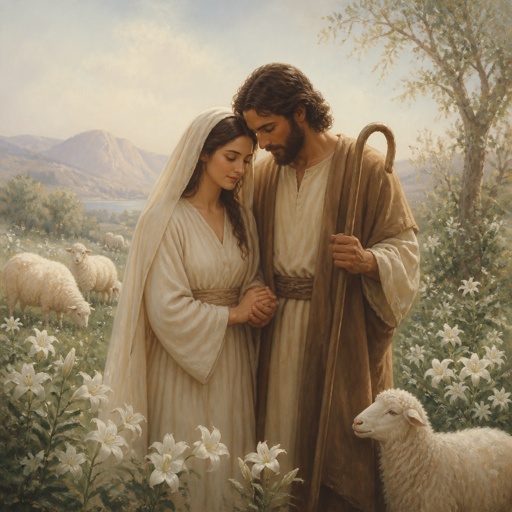
"¶ My beloved is mine, and I am his: he feedeth among the lilies." - Song of Solomon 2:16
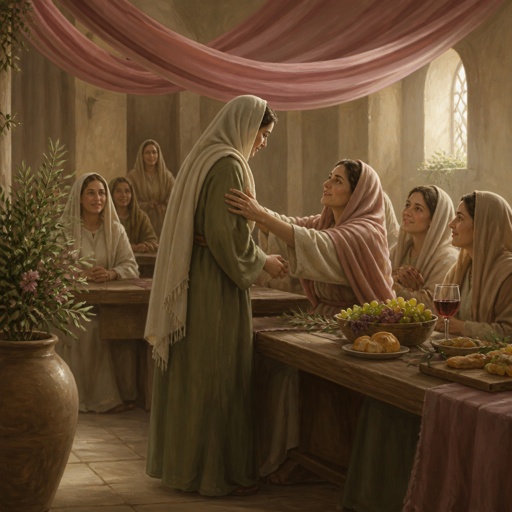
"He brought me to the banqueting house, and his banner over me was love." - Song of Solomon 2:4

Song of Solomon 5:4 - "My beloved put in his hand by the hole of the door, and my bowels were moved for him."

Song of Solomon 4:5 - "Thy two breasts are like two young roes that are twins, which feed among the lilies."

Song of Solomon 1:1 - "The song of songs, which is Solomon's."