What does Song of Solomon 2:9 mean?
“My beloved is like a roe or a young hart: behold, he standeth behind our wall, he looketh forth at the windows, shewing himself through the lattice.” — Song of Solomon 2:9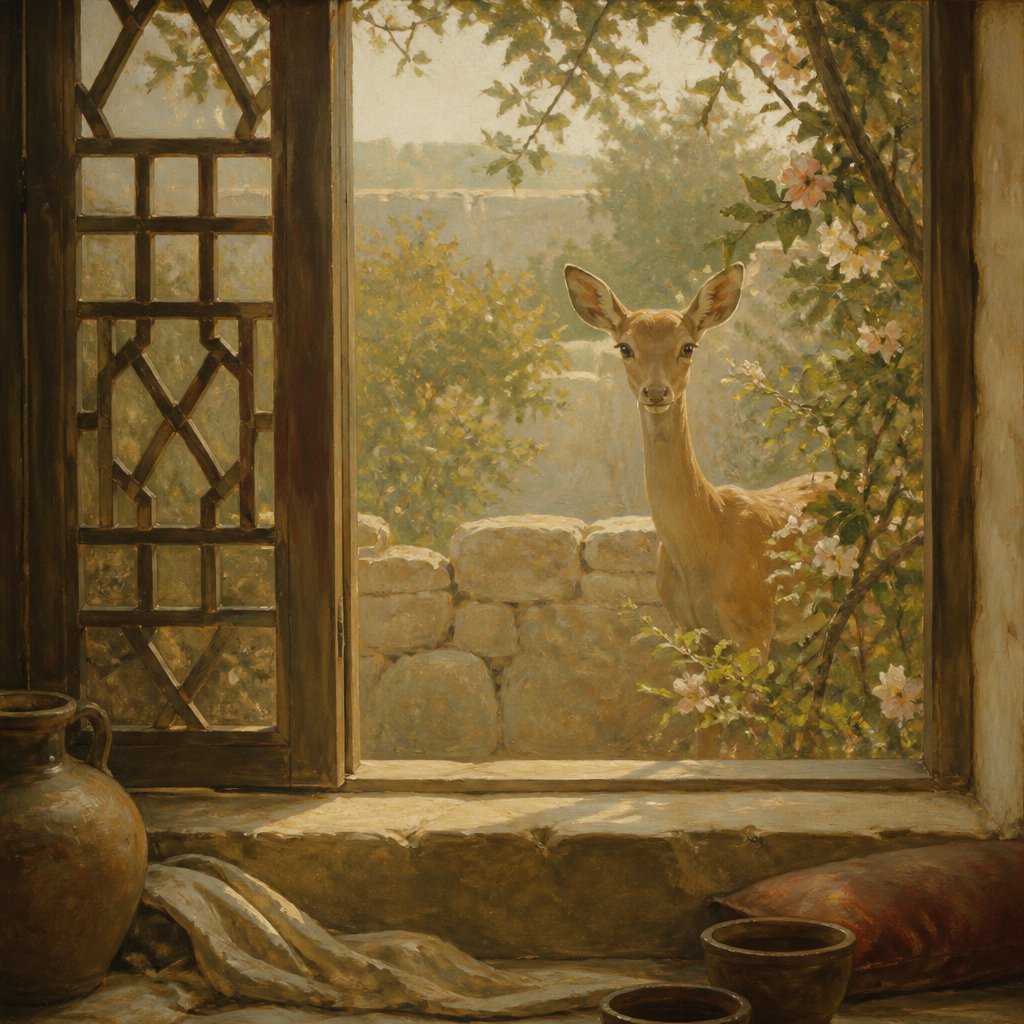
Song of Solomon 2:9 (KJV) - "My beloved is like a roe or a young hart: behold, he standeth behind our wall, he looketh forth at the windows, showing himself through the lattice."
The Song of Solomon, also known as the Song of Songs, is a collection of ancient Hebrew poetry that celebrates the love between a man and a woman. The verse 2:9 is part of a larger portion of the poem in which the woman expresses her longing for her beloved. In this verse, she compares her beloved to a roe or a young hart and describes how he stands behind the wall, looking in through the windows.
The imagery in this verse is rich with meaning and symbolism, and it captures the essence of the deep longing and desire that the woman feels for her beloved. The comparison of the beloved to a roe or a young hart suggests grace, beauty, and agility. The roe and the hart are both swift and elegant creatures, and by likening her beloved to them, the woman is expressing her admiration for his physical attributes. This comparison also conveys a sense of yearning and pursuit, as the roe and the hart are known for their elusive and shy nature, symbolizing the tension and anticipation in the relationship between the lovers.
The image of the beloved standing behind the wall and looking in at the woman through the windows conveys a sense of separation and distance. The wall can be seen as a barrier, representing the obstacles and challenges that the lovers must overcome in order to be together. The act of looking in through the windows suggests a longing to be close to the beloved, and a desire to connect and communicate despite the barriers that separate them. This imagery captures the universal experience of lovers yearning for each other, and the longing for intimacy and connection that transcends physical distance.
The verse also contains elements of secrecy and hiddenness, as the beloved is described as showing himself through the lattice. The lattice is a delicate and intricate framework that allows for a partial view, symbolizing the idea of revelation and concealment. This imagery suggests that the beloved is not fully revealed to the woman, and there is an element of mystery and allure in their relationship. This sense of hiddenness adds an air of excitement and enchantment to the verse, and underscores the depth of the woman's longing for her beloved.
The themes of love, desire, and longing that are present in this verse resonate with universal human experiences, and they have been a source of inspiration and contemplation for centuries. The poem captures the intensity of human emotions and the complexities of romantic relationships, and it speaks to the deep longing for connection and intimacy that is inherent in the human experience. The Song of Solomon has been interpreted in various ways by different religious and cultural traditions, and it continues to be a source of inspiration and reflection for readers across the world.
In conclusion, Song of Solomon 2:9 is a powerful and evocative verse that captures the essence of love, desire, and longing. The rich imagery and symbolism in the verse convey the depth of the woman's longing for her beloved, and they speak to the universal human experience of yearning for connection and intimacy. The verse is a testament to the enduring power of love and desire, and it continues to resonate with readers as a timeless expression of human emotion.
Get our apps


Artwork for Song of Solomon 2:9

Song of Solomon 2:9 - "My beloved is like a roe or a young hart: behold, he standeth behind our wall, he looketh forth at the windows, shewing himself through the lattice."
"My beloved is like a roe or a young hart: behold, he standeth behind our wall, he looketh forth at the windows, shewing himself through the lattice." - Song of Solomon 2:9

Song of Solomon 2:3

Song of Solomon 2:15

Song of Solomon 2:15

Song of Solomon 3:9 - "King Solomon made himself a chariot of the wood of Lebanon."

Song of Solomon 2:2 - "As the lily among thorns, so is my love among the daughters."

Song of Solomon 2:11 - "For, lo, the winter is past, the rain is over and gone;"

Song of Solomon 2:1 - "I am the rose of Sharon, and the lily of the valleys."

Song of Solomon 2:5 - "Stay me with flagons, comfort me with apples: for I am sick of love."

Song of Solomon 2:16 - "¶ My beloved is mine, and I am his: he feedeth among the lilies."

Song of Solomon 2:4 - "He brought me to the banqueting house, and his banner over me was love."

Song of Solomon 2:6 - "His left hand is under my head, and his right hand doth embrace me."

Song of Solomon 2:8 - "¶ The voice of my beloved! behold, he cometh leaping upon the mountains, skipping upon the hills."

Song of Solomon 2:10 - "My beloved spake, and said unto me, Rise up, my love, my fair one, and come away."
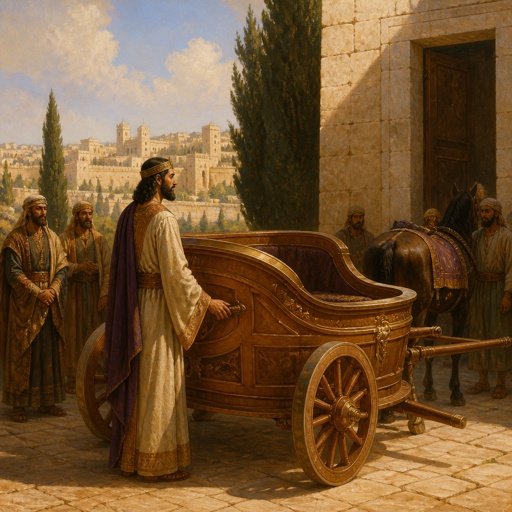
"King Solomon made himself a chariot of the wood of Lebanon." - Song of Solomon 3:9

Song of Solomon 2:15 - "Take us the foxes, the little foxes, that spoil the vines: for our vines have tender grapes."

Song of Solomon 2:1 – "I am a rose of Sharon, a lily of the valleys."

"I am the rose of Sharon, and the lily of the valleys." - Song of Solomon 2:1

Songs of Solomon 1:2

"As the lily among thorns, so is my love among the daughters." - Song of Solomon 2:2

"For, lo, the winter is past, the rain is over and gone;" - Song of Solomon 2:11

"I am the rose of Sharon, and the lily of the valleys." - Song of Solomon 2:1

Song of Solomon 1:9 - "I have compared thee, O my love, to a company of horses in Pharaoh's chariots."
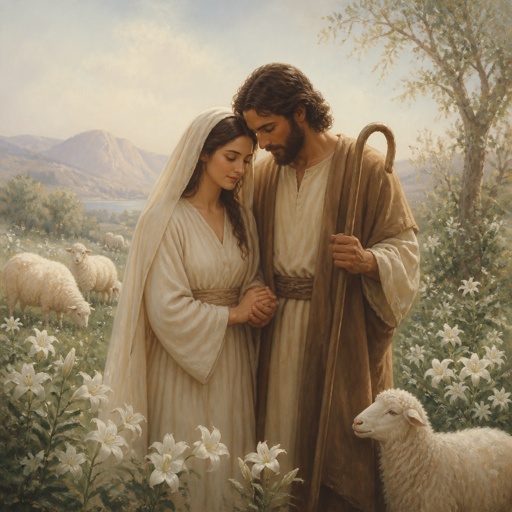
"¶ My beloved is mine, and I am his: he feedeth among the lilies." - Song of Solomon 2:16
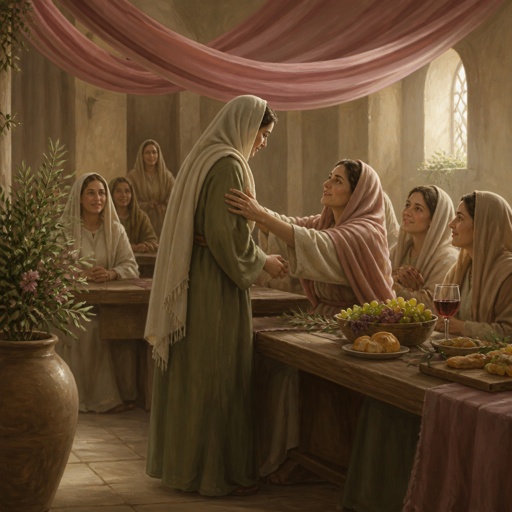
"He brought me to the banqueting house, and his banner over me was love." - Song of Solomon 2:4

Song of Solomon 1:1 - "The song of songs, which is Solomon's."
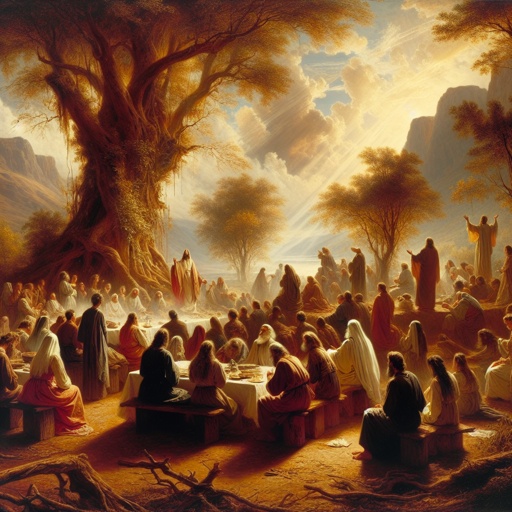
1 songs of Solomon 1:2
!["He brought me to the banqueting house, and his banner over me [was] love." - Song of Solomon 2:4](https://media.bible.art/bd0457ec-32cc-4654-9106-4fc12fea703b-thumbnail.jpg)
"He brought me to the banqueting house, and his banner over me [was] love." - Song of Solomon 2:4
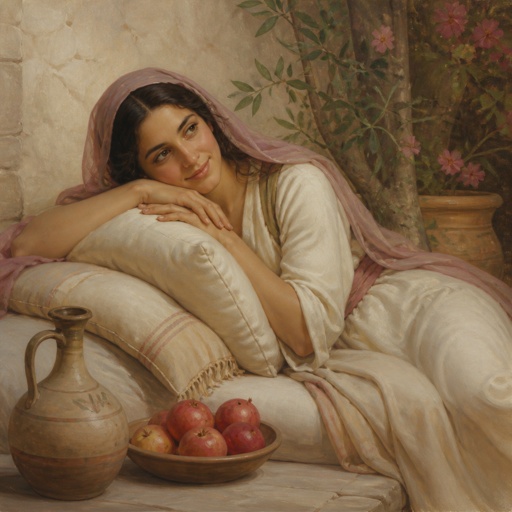
"Stay me with flagons, comfort me with apples: for I am sick of love." - Song of Solomon 2:5